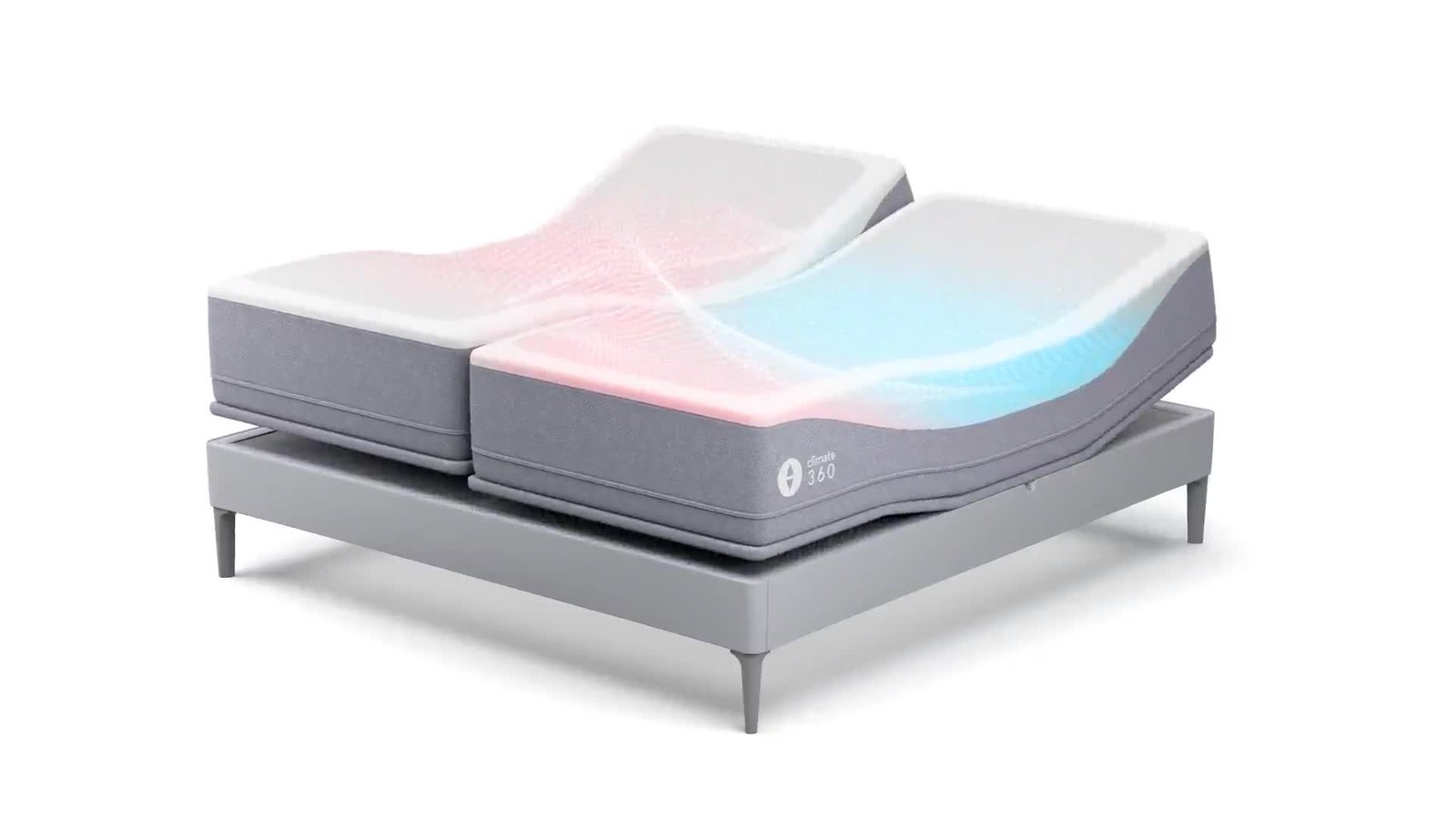
#1No lab measurements
Sleep Number Climate360
Air Chamber Hybrid · 5/10 firmness · Editorial rating 9.3/10
Ultimate smart bed — adjusts 30° cooler to warmer
Mattress needs vary considerably with Ehlers-Danlos syndrome and hypermobility. This guide compares sleep-related comfort and function — pressure distribution, movement, edge stability, firmness and temperature — without suggesting that a mattress treats a connective-tissue disorder.
| Rank | Mattress | Evaluation | Firmness | Score | Queen price |
|---|---|---|---|---|---|
| #1 | Sleep Number Climate360 | No lab measurements | 5/10 | 9.3/10 | $6,999 |
| #2 | Sleep Number ComfortNext Ultra | No lab measurements | 5/10 | 8.9/10 | $4,499 |
| #3 | Bear Elite Ultra Hybrid | No lab measurements | 6.5/10 | 9/10 | $1,977 |
| #4 | Casper Snow Hybrid | No lab measurements | 5.5/10 | 9.1/10 | $1,904 |
| #5 | Amerisleep AS3 | No lab measurements | 5.5/10 | 8.9/10 | $1,049 |
| #6 | Sleep Number ComfortNext Lux | No lab measurements | 5/10 | 8.8/10 | $3,999 |
| #7 | Serta iSeries NXG 2500 Hybrid | No lab measurements | 6/10 | 8.6/10 | $2,199 |
| #8 | Serta Perfect Sleeper X Quilted Hybrid Level Two | No lab measurements | 5.5/10 | 8.5/10 | $1,799 |
Needs vary by symptoms, sleep position, body weight, mobility, and personal comfort. These factors are useful starting points rather than medical prescriptions.
A conforming comfort layer may spread contact pressure around the shoulders, ribs and hips without allowing excessive sink.
Responsive latex and coils can make turning and changing positions easier than slow, deeply conforming foam.
A stable perimeter may provide a more predictable place to sit and can increase usable sleep surface.
Very firm is not automatically supportive, and very soft can make movement harder. Look for a workable balance.
Side sleepers often need more shoulder and hip contouring; back sleepers may prefer a steadier midsection.
Higher body weight increases perceived softness and sink, while lighter sleepers often experience the same model as firmer.
Breathable covers, coils and latex may retain less heat than dense foam, which can matter for temperature-sensitive sleepers.
Hypermobility can add movement, transfer and surface-stability considerations beyond pressure discomfort alone. Preferences still vary widely, so no construction is universally best.
Look for enough surface cushioning for the shoulder and hip while keeping the torso supported. A pillow between the knees may feel more comfortable for some sleepers.
A stable, gently conforming surface may help maintain a neutral-feeling position. A pillow under the knees can change how the lower back rests.
The same mattress feels softer to a heavier sleeper and firmer to a lighter sleeper. Treat firmness numbers as a comparison tool, not a universal prescription.
The firmest mattress is not automatically the most supportive. Too little cushioning can create pressure points, while excessive sink can make movement harder.
These constructions often make changing position easier and can provide a steadier perimeter. Foam may offer deeper contouring but can feel slower to move across.
An adjustable base changes position, not mattress support. Confirm compatibility and discuss positioning restrictions with a clinician when relevant.
A topper may add cushioning to a supportive mattress, but it cannot correct sagging or a weak support core.
We prioritize a close balance between the canonical comfort and support scores among medium-feel mattresses, then use their combined published scores to order ties. Overall scores remain the published scores from the canonical SleepSage database; we do not create condition-specific lab measurements.
Air Chamber Hybrid · 5/10 firmness · Editorial rating 9.3/10
Ultimate smart bed — adjusts 30° cooler to warmer

Air Chamber Hybrid · 5/10 firmness · Editorial rating 8.9/10
Maximum relief and cooling in the ComfortNext line
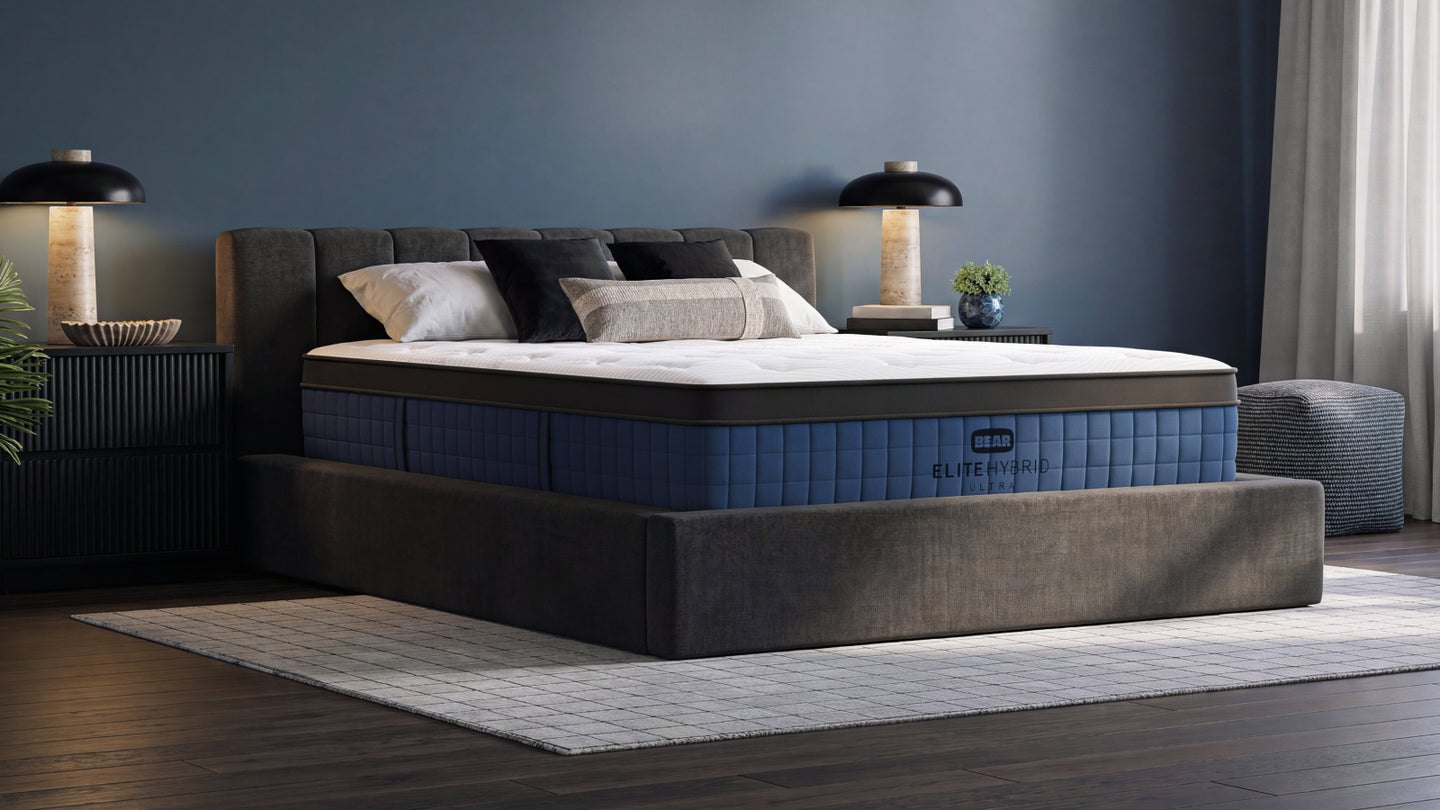
Luxury Hybrid · 6.5/10 firmness · Editorial rating 9/10
Bear's top hybrid: Celliant cover, copper memory foam, microcoils and a five-zone core
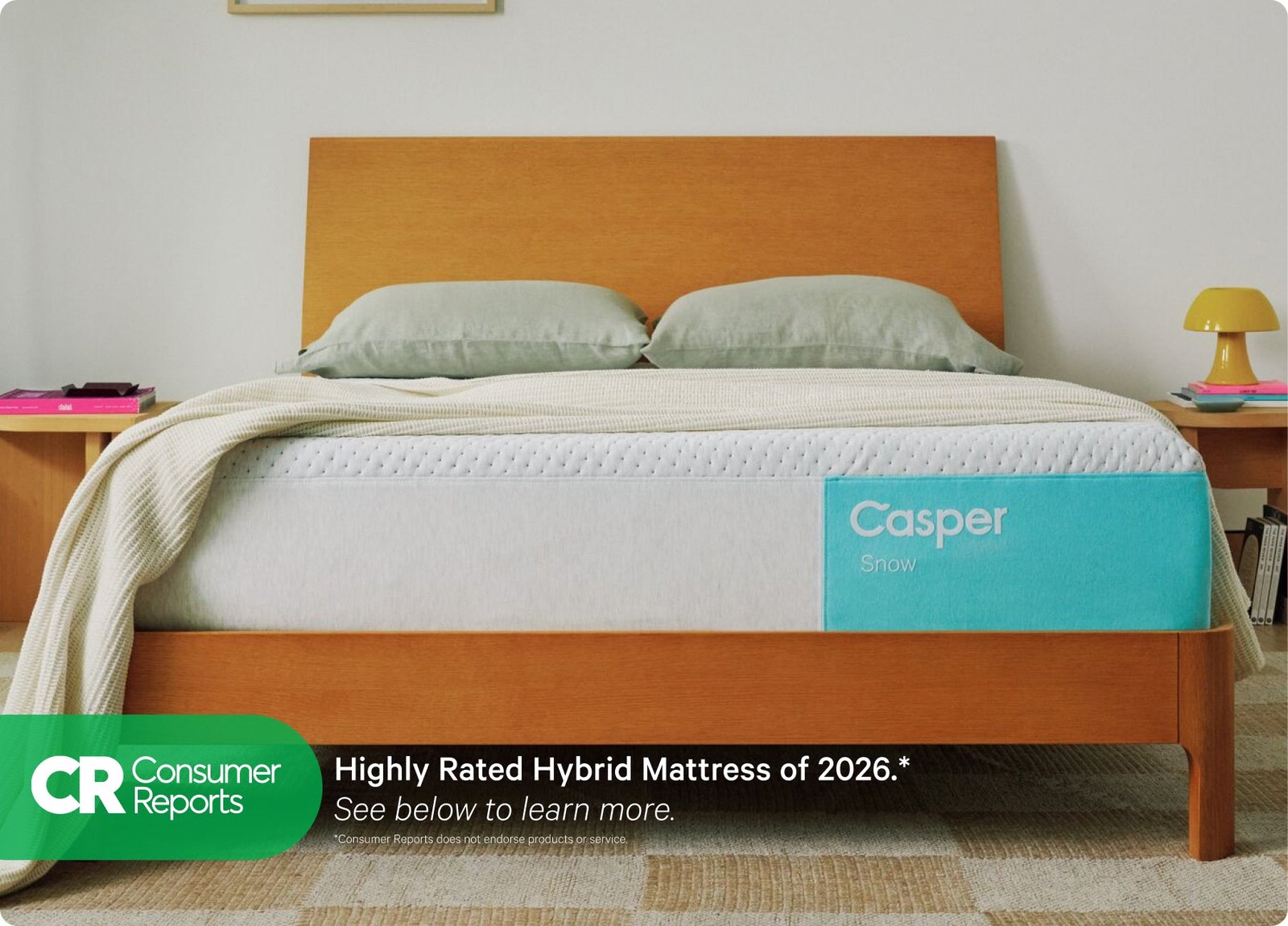
Hybrid · 5.5/10 firmness · Editorial rating 9.1/10
Casper's cooling hybrid with QuickCool cover
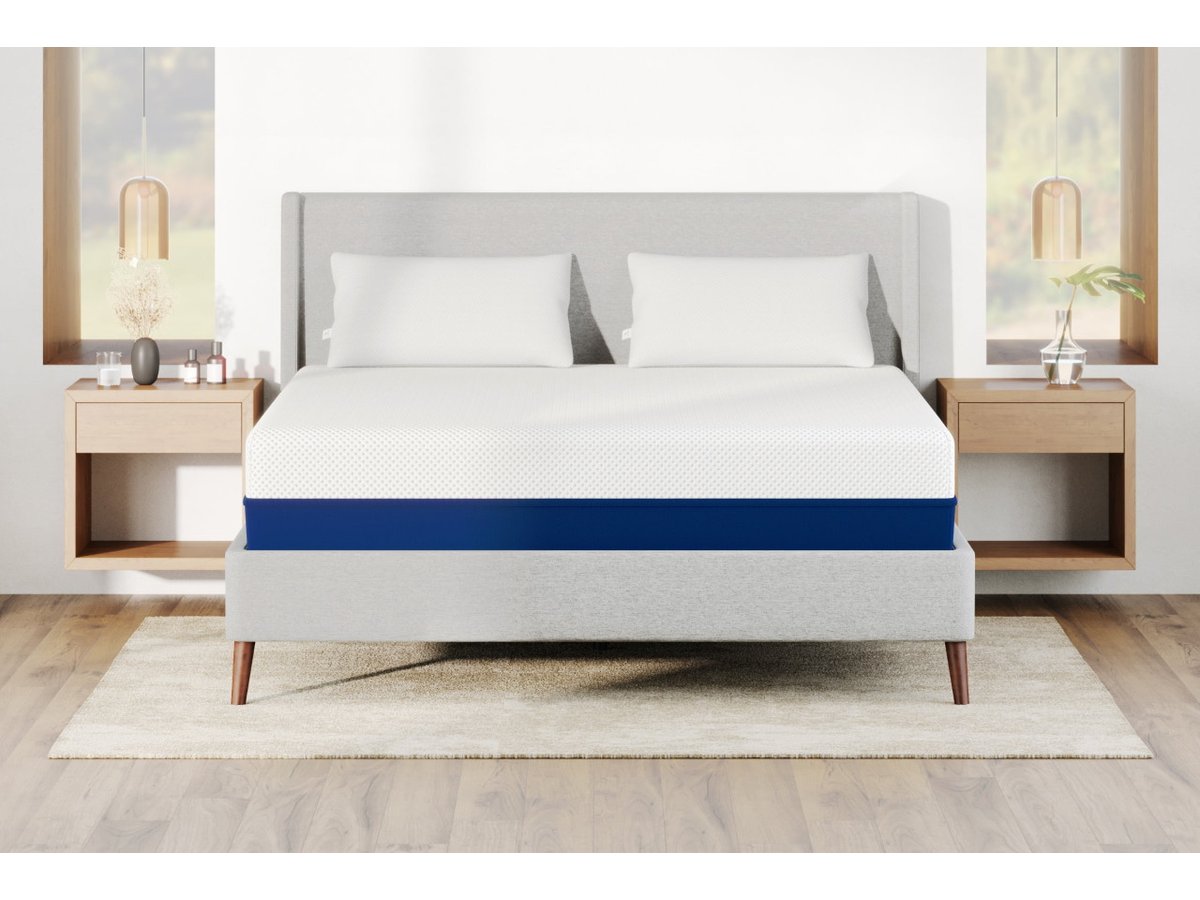
Memory Foam · 5.5/10 firmness · Editorial rating 8.9/10
Plant-based memory foam for balanced comfort

Air Chamber Hybrid · 5/10 firmness · Editorial rating 8.8/10
Superior whole-body relief with enhanced cooling
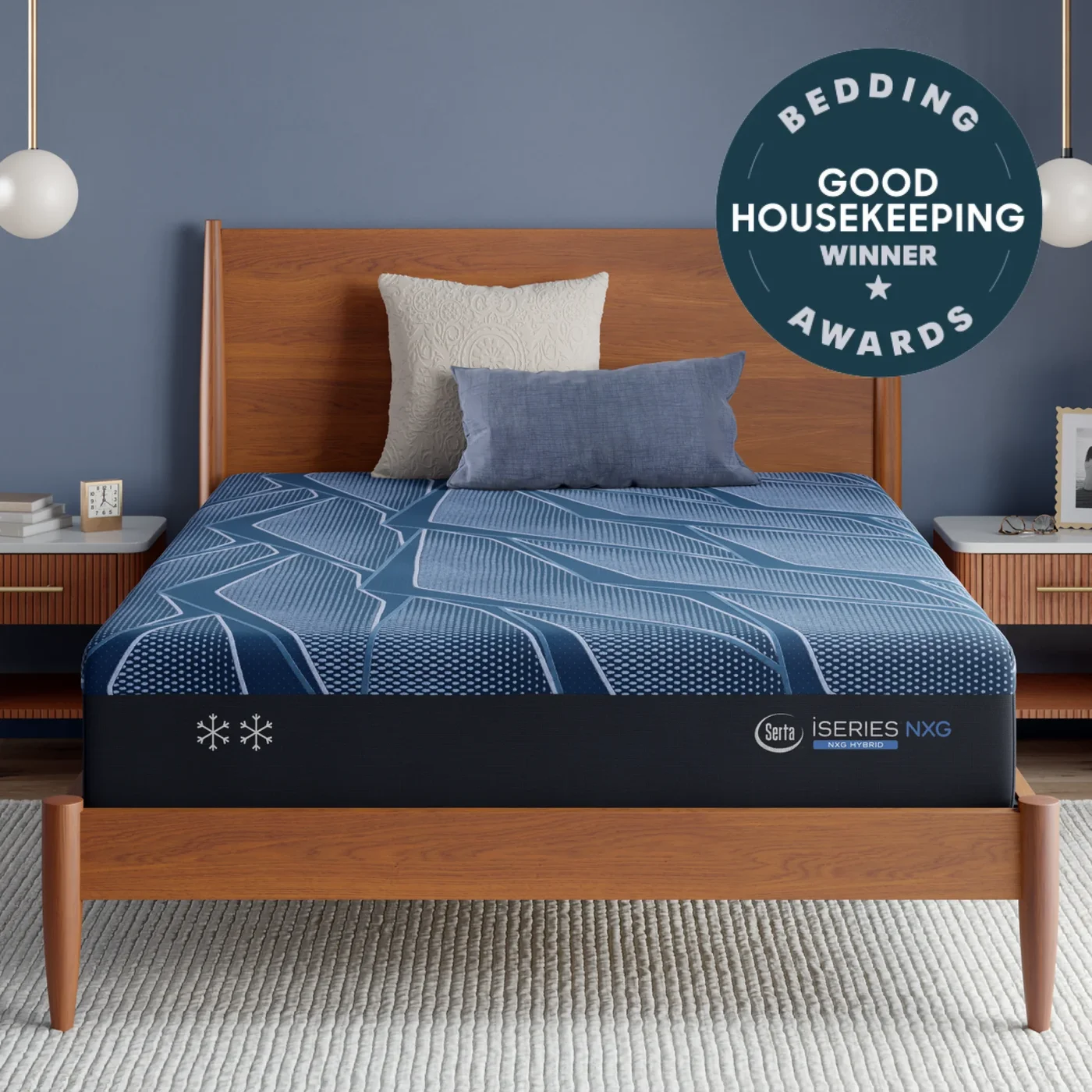
Hybrid · 6/10 firmness · Editorial rating 8.6/10
Adds Deep Reaction gel foam to the NXG hybrid recipe
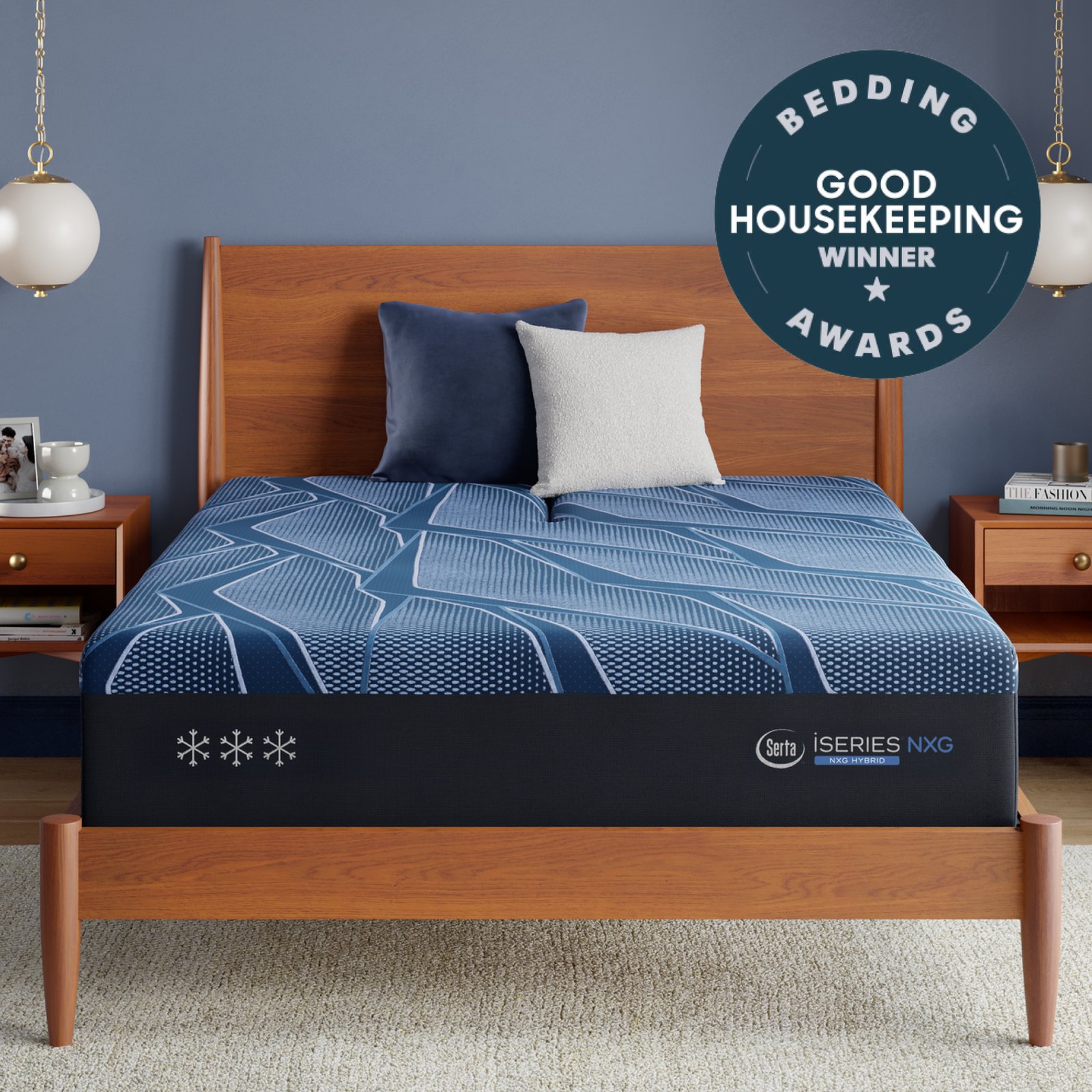
Hybrid · 5.5/10 firmness · Editorial rating 8.5/10
Adds micro coils and extra memory foam to the quilted-top hybrid
There is no universal best model. A responsive medium-feel hybrid or latex mattress is a practical starting point because it can combine cushioning, movement ease and edge stability.
Neither extreme is automatically best. Side sleepers and lighter bodies often prefer more cushioning; back sleepers and heavier bodies may need a firmer, more stable surface.
No. An adjustable base changes bed position and may make transitions or preferred positioning easier, but it does not treat EDS or POTS.
A topper can soften a mattress that remains level and supportive. It cannot repair sagging or inadequate underlying support.
Comfort priorities often overlap. Compare this guidance with mattresses for pots and mattresses for fibromyalgia to see how pressure, movement and support considerations can differ.
Cushioning, responsiveness and edge-stability considerations.
Read guidePressure-relief considerations, especially for side sleepers.
Read guideFirmness, lumbar support and repositioning guidance.
Read guideCompare support, pressure relief and position considerations.
Read guideBrowse the full joint, spine and mobility sleep guide hub, review our evaluation methodology, or compare all mattress rankings.
Keep exploring
Before you buy, read the brand: construction, pricing bands, trial and warranty terms, and how each company's lineup performed in our Encinitas lab.