#1No lab measurements
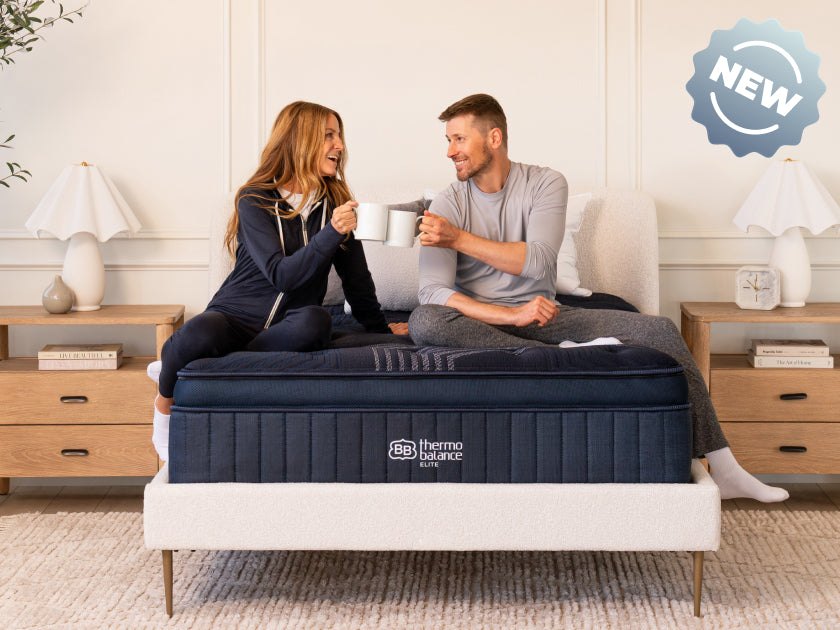
Brooklyn Bedding ThermoBalance Elite
Luxury Hybrid · 6/10 firmness · Editorial rating 9.5/10
Where elite design meets luxury cooling
People living with POTS often care about temperature, bed exits and head elevation options. This guide compares those product features; it does not describe treatment, and positioning advice should come from your care team.
| Rank | Mattress | Evaluation | Firmness | Score | Queen price |
|---|---|---|---|---|---|
| #1 | Brooklyn Bedding ThermoBalance Elite | No lab measurements | 6/10 | 9.5/10 | $1,749 |
| #2 | Saatva Classic | Lab tested | 6/10 | 9.2/10 | $1,295 |
| #3 | Brooklyn Bedding ThermoBalance | No lab measurements | 6/10 | 9.3/10 | $1,282 |
| #4 | Technogel Favola 3.0 | No lab measurements | 5/10 | 9.3/10 | $3,775 |
| #5 | DreamCloud Premier | Lab tested | 6.5/10 | 9.6/10 | $1,099 |
| #6 | Purple Hybrid Premier | Lab tested | 5/10 | 9.1/10 | $1,999 |
| #7 | Saatva RX | No lab measurements | 3.5/10 | 9.3/10 | $2,932 |
| #8 | Brooklyn Bedding ThermoBalance LX | No lab measurements | 6/10 | 9.4/10 | $1,374 |
Needs vary by symptoms, sleep position, body weight, mobility, and personal comfort. These factors are useful starting points rather than medical prescriptions.
Coils, latex and breathable covers tend to retain less heat than dense foam, which matters for temperature-sensitive sleepers.
A steadier perimeter may feel more secure when sitting up or pausing before standing.
A responsive surface and manageable bed height can make transfers feel less effortful.
If you want head or leg elevation, confirm the manufacturer supports adjustable-base use. Any elevation guidance should come from your clinician.
Look for enough surface cushioning for the shoulder and hip while keeping the torso supported. A pillow between the knees may feel more comfortable for some sleepers.
A stable, gently conforming surface may help maintain a neutral-feeling position. A pillow under the knees can change how the lower back rests.
The same mattress feels softer to a heavier sleeper and firmer to a lighter sleeper. Treat firmness numbers as a comparison tool, not a universal prescription.
The firmest mattress is not automatically the most supportive. Too little cushioning can create pressure points, while excessive sink can make movement harder.
These constructions often make changing position easier and can provide a steadier perimeter. Foam may offer deeper contouring but can feel slower to move across.
An adjustable base changes position, not mattress support. Confirm compatibility and discuss positioning restrictions with a clinician when relevant.
For this guide we ranked cooler-sleeping hybrid and latex records by their combined published cooling, edge support and comfort scores. This is an editorial weighting of existing data, not a clinical model. Overall scores remain the published scores from the canonical SleepSage database; we do not create condition-specific lab measurements.
Luxury Hybrid · 6/10 firmness · Editorial rating 9.5/10
Where elite design meets luxury cooling
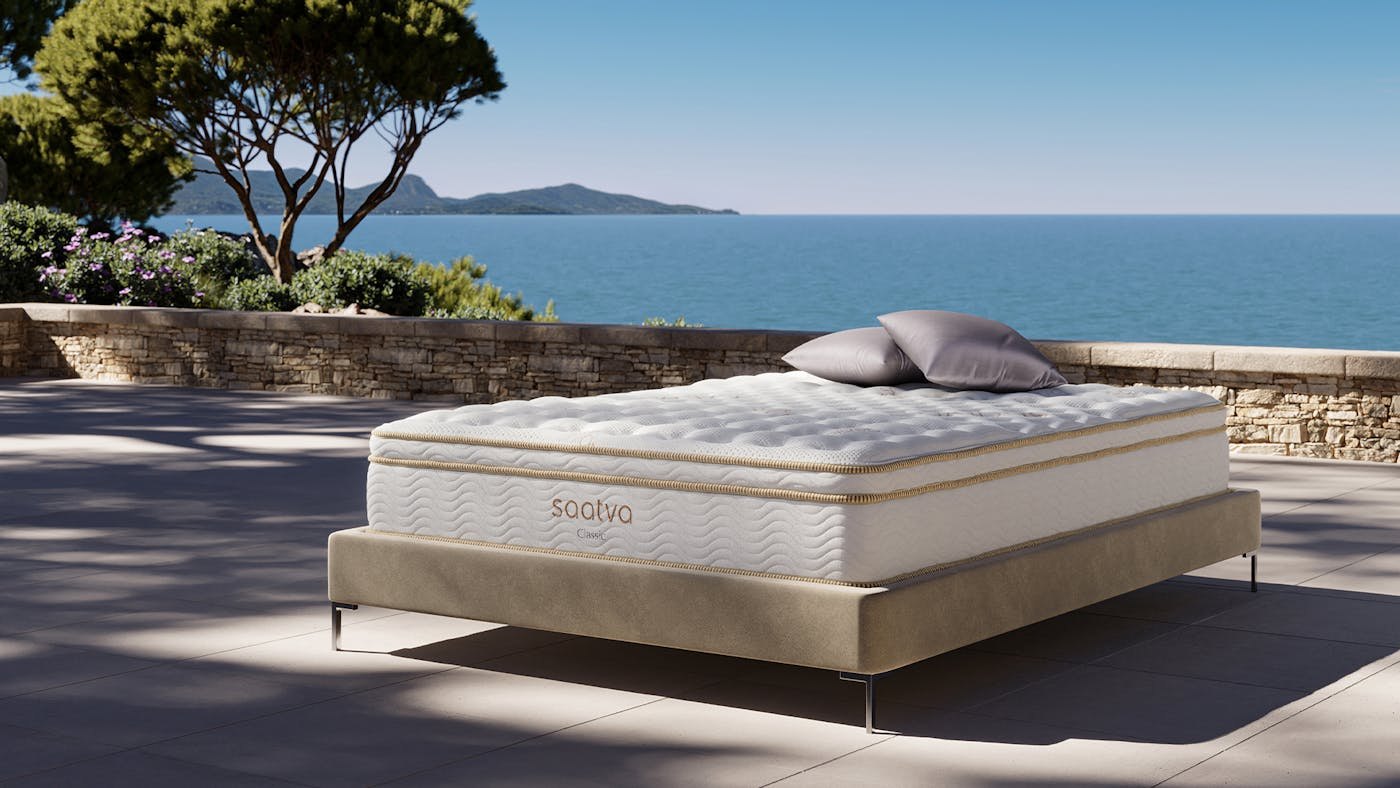
Innerspring Hybrid · 6/10 firmness · Sleep Sage Score 9.2/10
Handcrafted luxury with eco-friendly materials
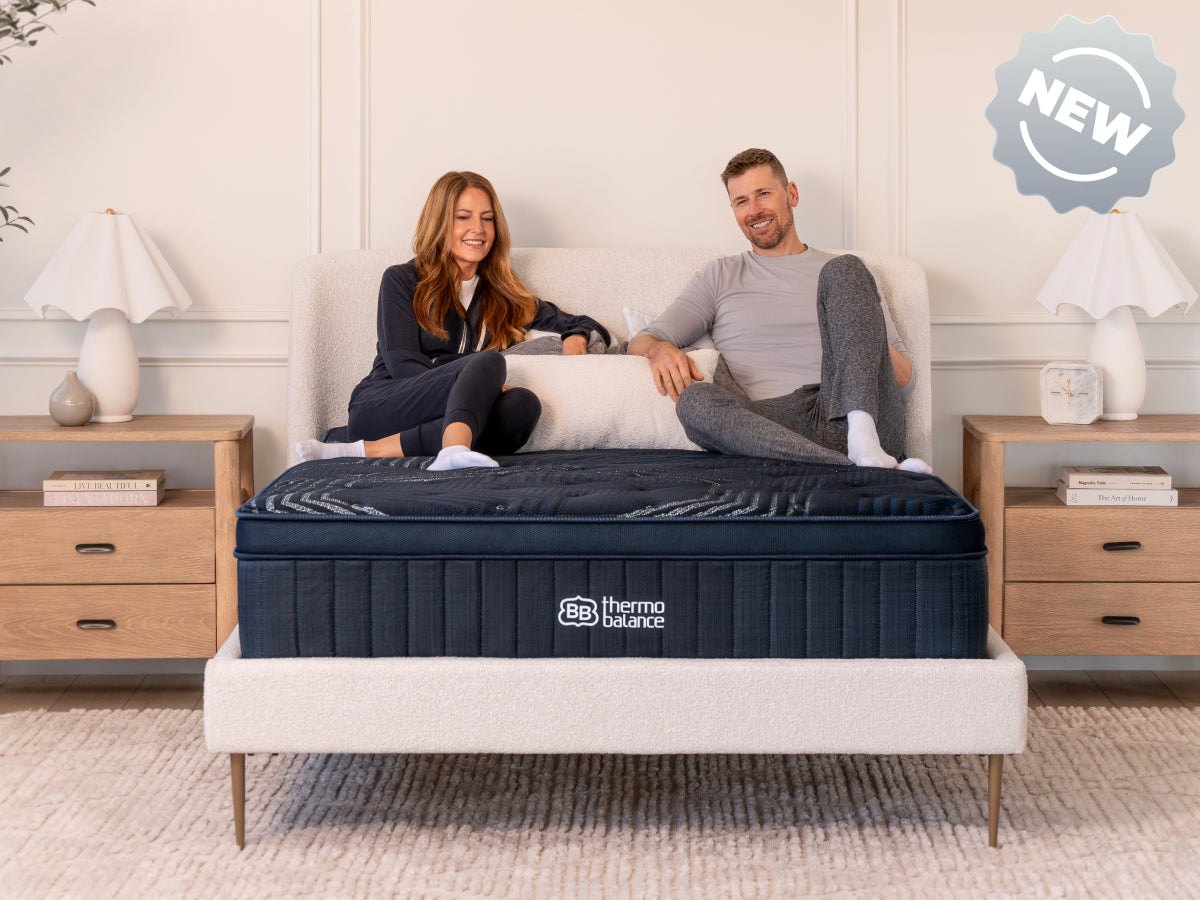
Luxury Hybrid · 6/10 firmness · Editorial rating 9.3/10
Advanced cooling, elevated comfort
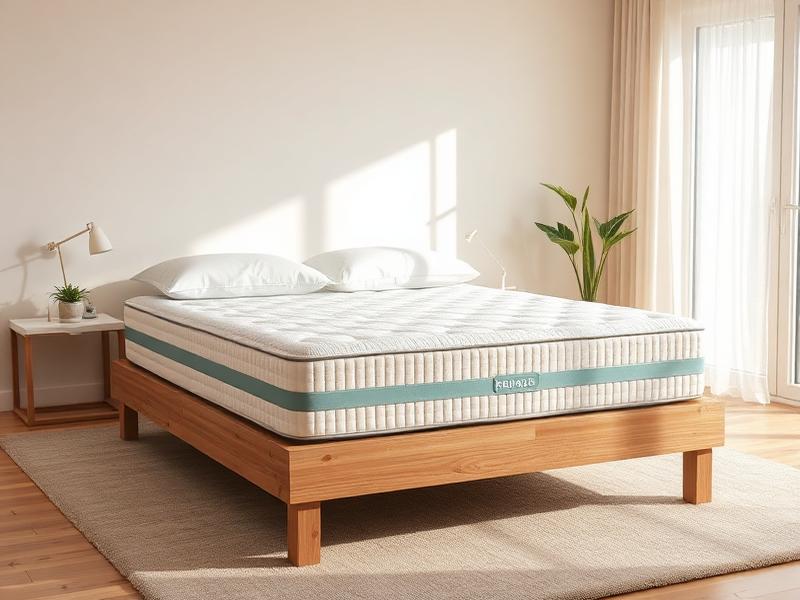
Gel Hybrid · 5/10 firmness · Editorial rating 9.3/10
Soft gel luxury with natural latex comfort
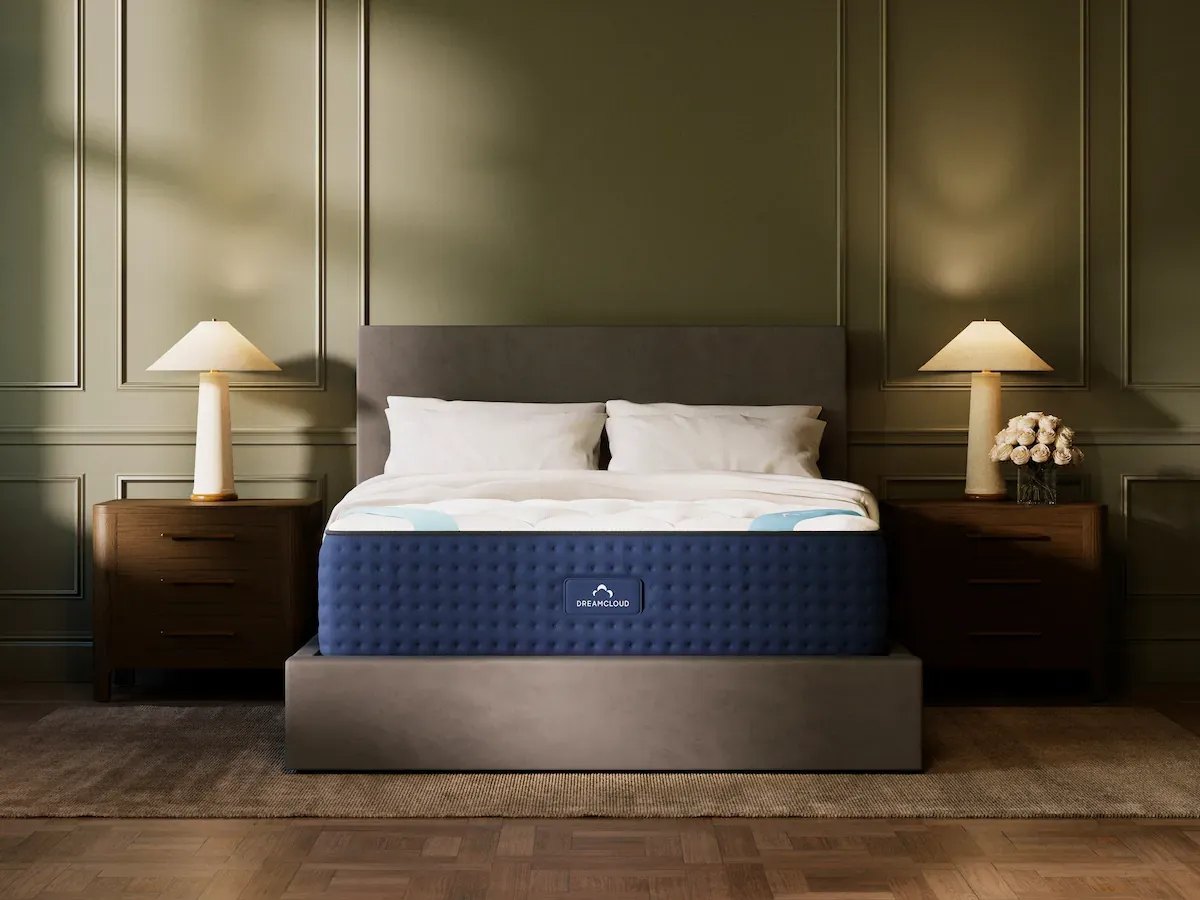
Luxury Hybrid · 6.5/10 firmness · Sleep Sage Score 9.6/10
Luxury hybrid comfort at a fraction of the price
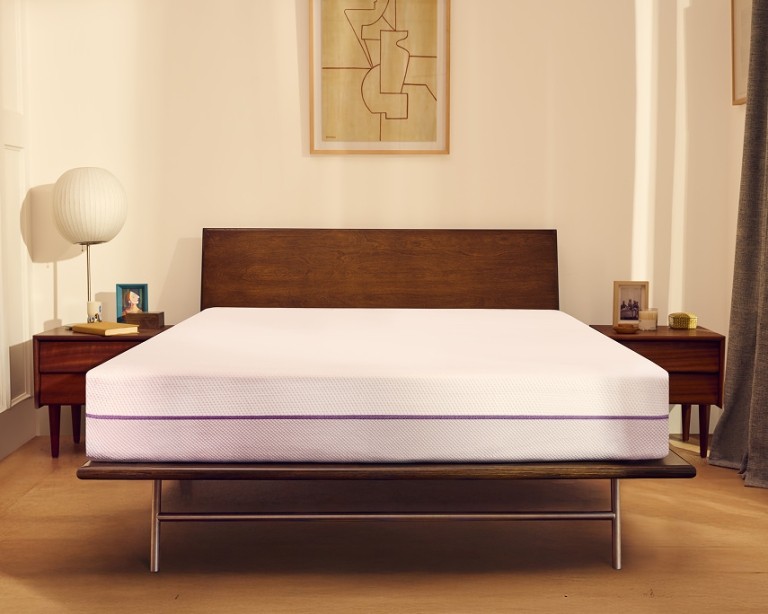
Hybrid · 5/10 firmness · Sleep Sage Score 9.1/10
The no-pressure mattress with GelFlex Grid
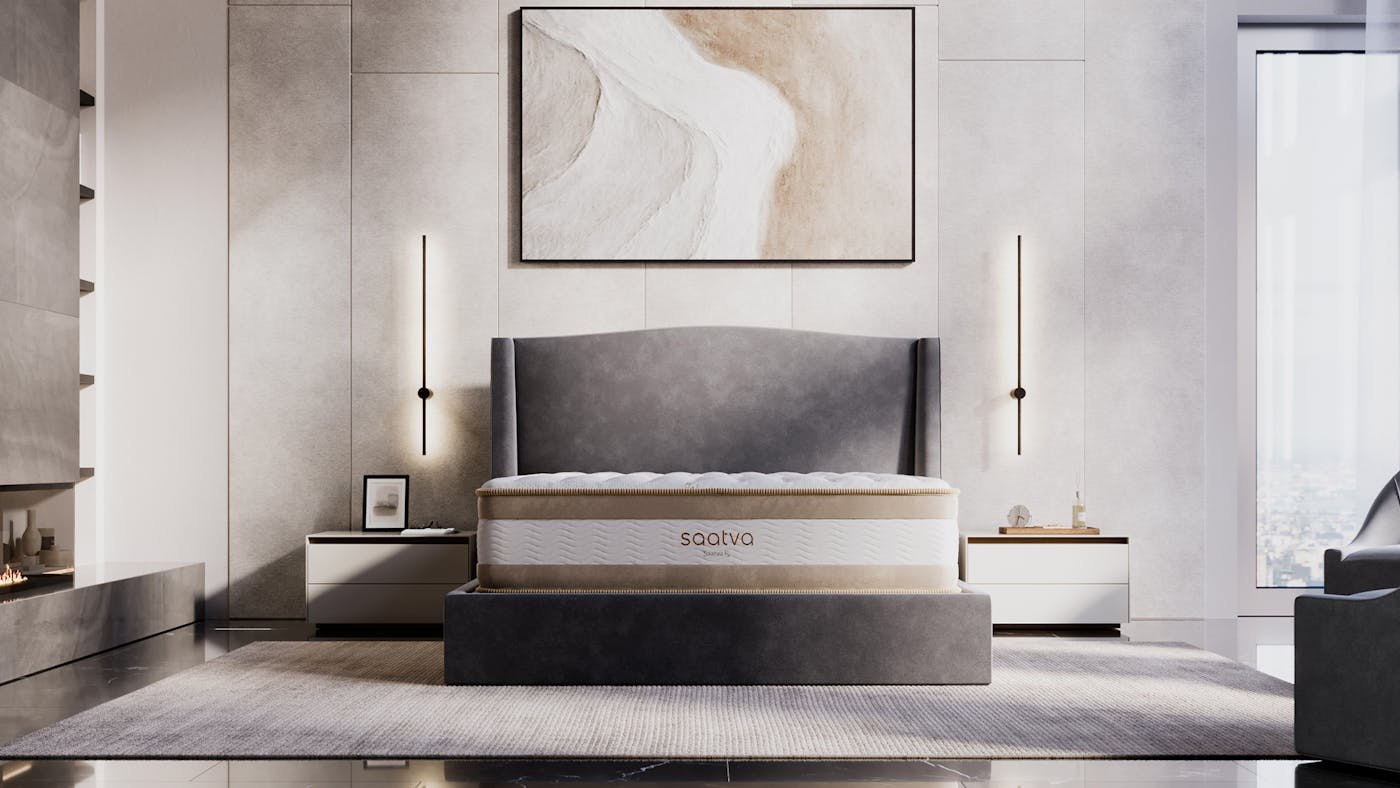
Luxury Hybrid · 3.5/10 firmness · Editorial rating 9.3/10
Therapeutic mattress for chronic back & joint pain
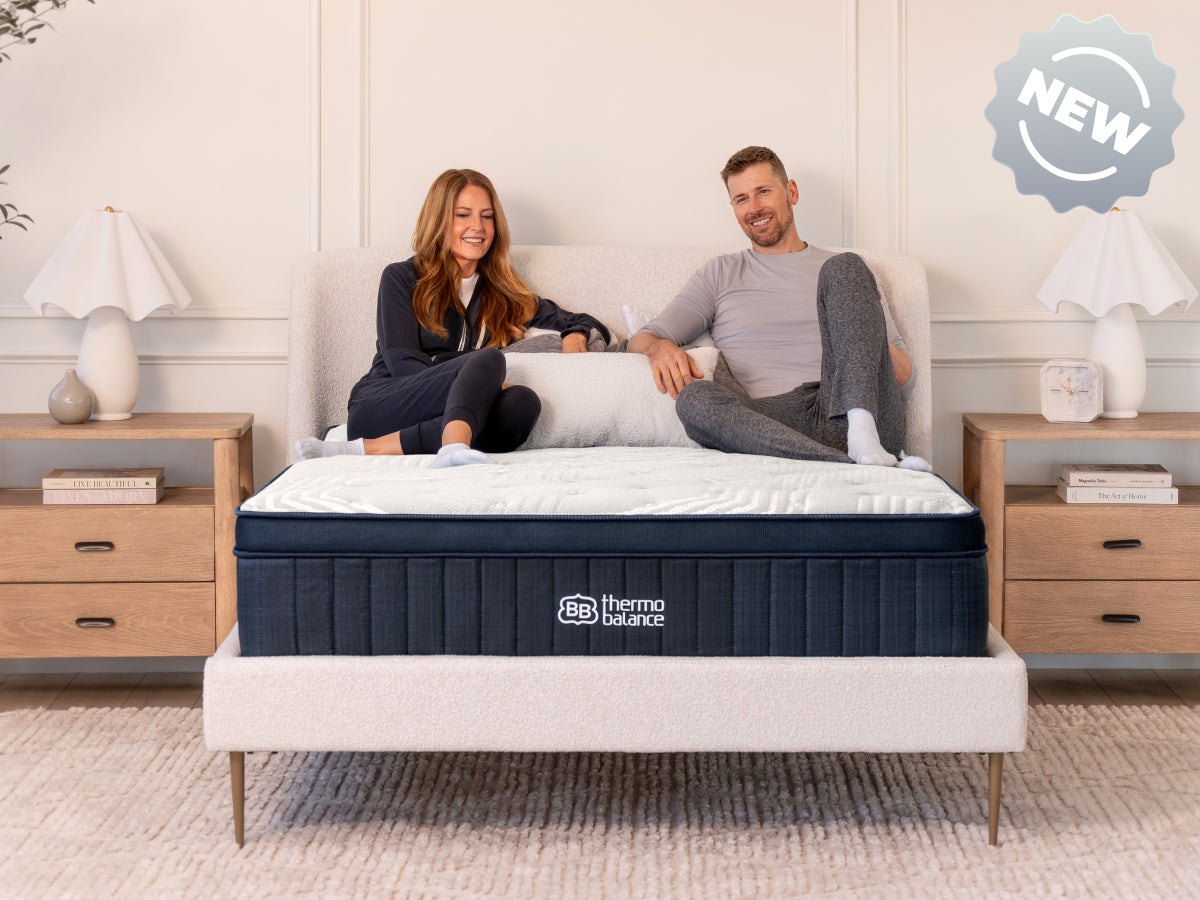
Latex Hybrid · 6/10 firmness · Editorial rating 9.4/10
Luxury cooling engineered with Talalay latex
An adjustable base provides elevation and positioning options that some people prefer. It is not a treatment for POTS, and positioning advice should come from your care team.
Many people with POTS report heat sensitivity, so a mattress that retains less heat may simply be more comfortable overnight.
There is no medically correct firmness. Choose based on sleeping position, body weight and pressure comfort.
Comfort priorities often overlap. Compare this guidance with mattresses for eds and hypermobility and adjustable beds for eds and pots to see how pressure, movement and support considerations can differ.
Compare heat retention across the database.
Read guidePressure relief and motion isolation considerations.
Read guideBrowse the full joint, spine and mobility sleep guide hub, review our evaluation methodology, or compare all mattress rankings.
Keep exploring
Before you buy, read the brand: construction, pricing bands, trial and warranty terms, and how each company's lineup performed in our Encinitas lab.