#1
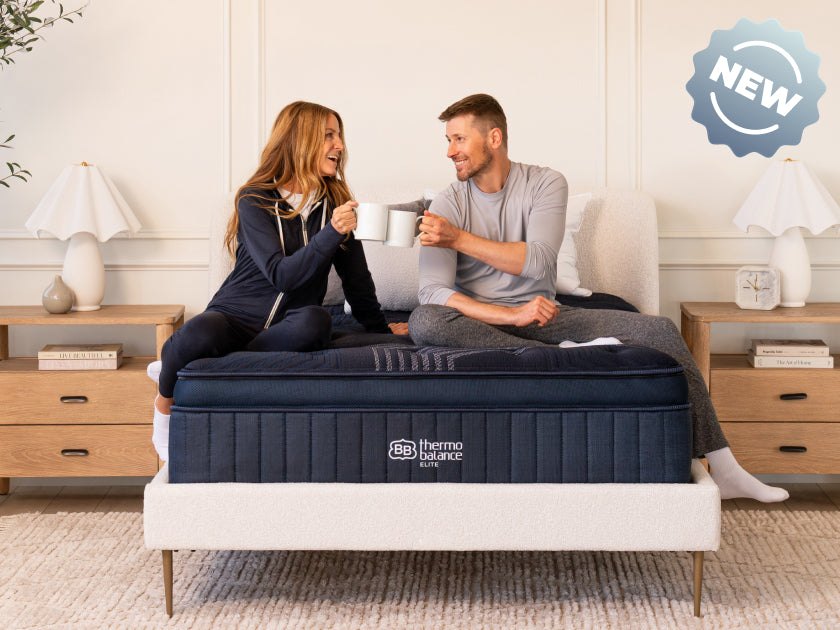
9.5/10
Research Evaluation
9.9
Cooling
9.6
Pressure relief
9.4
Motion iso.
9.2
Edge support
Luxury Hybrid · 14.5 inches · firmness 6/10 · 120 nights trial · Limited Lifetime
$1749queen
A mattress cannot treat menopause or stop hot flashes, but materials, airflow, firmness and bedding can affect how warm and comfortable the sleep surface feels. This page ranks 8 mattresses on the attributes that shape that experience — cooling and airflow, pressure relief, motion isolation, edge support and value.
* We may earn a commission through affiliate links. This doesn't affect our reviews.
Airflow and moisture handling at the surface — the cover fabric, how thick the foam above the support core is, and whether that core is coils or solid foam. Bedding sits above all of it and is the cheapest thing to change.
Anyone who wakes warm or damp, sleeps with a partner who runs hot, or is moving off a deep memory-foam bed. Brooklyn Bedding ThermoBalance leads this list on cooling at 9.8/10.
Side sleepers, anyone with shoulder or hip discomfort, and anyone whose sleep is already broken — you notice a pressure point far more when you are awake at 3am than when you sleep through.
Pocketed-coil hybrids, latex and innerspring builds usually move more air than thick all-foam beds, because the support layer is open rather than solid. The depth of foam above the coils still decides much of the feel.
Every category winner is taken from the ranking below. Categories with no clear winner in the data are left out rather than filled.
$1749 queen — it scores highest on our menopause weighting: 9.9/10 cooling alongside 9.6/10 pressure relief and 9.2/10 edge support.
$1282 queen — it posts the highest cooling figure in this ranking at 9.8/10, on a luxury hybrid build.
$1999 queen — it pairs 9.4/10 pressure relief with a 5/10 firmness, the contouring range most side sleepers land in.
$1099 queen — it combines 9.6/10 motion isolation with 9.2/10 edge support, so getting up at night disturbs less of the bed.
$1099 queen — its 9.5/10 pressure relief is the highest here, which matters most when you are awake enough to feel a pressure point.
$1199 queen — it rates 9/10 on value at $1199 queen, with a 120 nights trial.
This is an editorial ranking model built from mattress attributes — cooling and airflow, pressure relief, motion isolation, edge support, underlying support and value. It is not a medical score and it does not measure any effect on menopause symptoms.
Research Evaluation
Luxury Hybrid · 14.5 inches · firmness 6/10 · 120 nights trial · Limited Lifetime
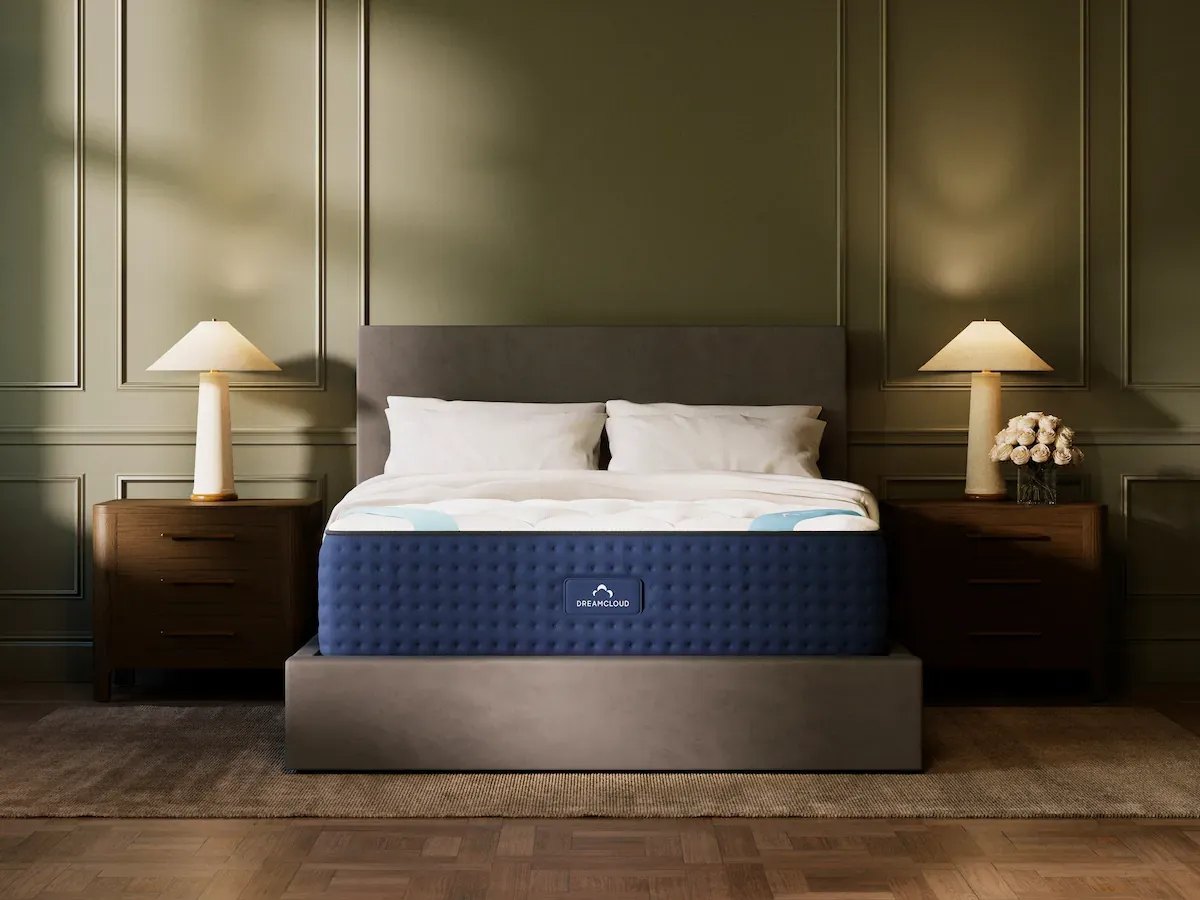
Lab Tested
Luxury Hybrid · 13 inches · firmness 6.5/10 · 365 nights trial · Forever Warranty (lifetime, limited)
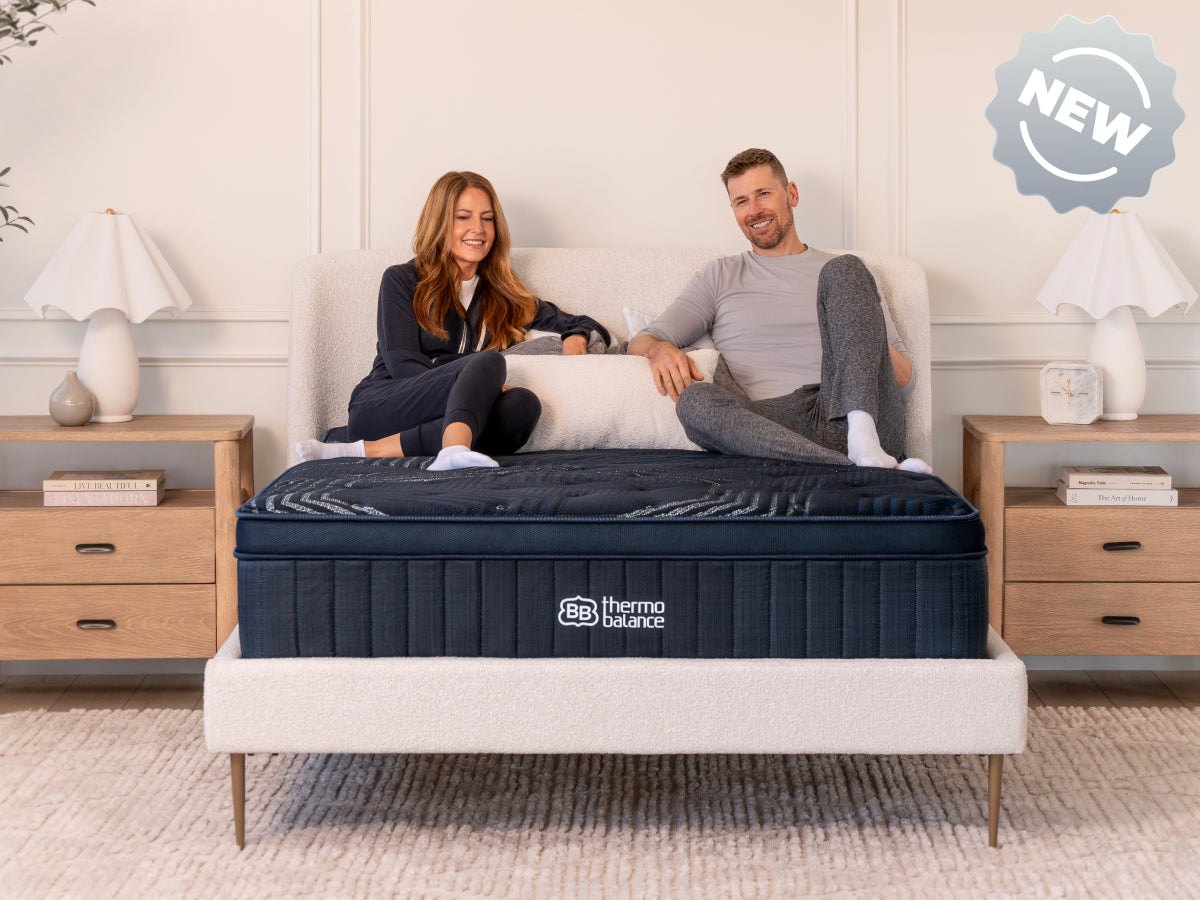
Research Evaluation
Luxury Hybrid · 14 inches · firmness 6/10 · 120 nights trial · Limited Lifetime
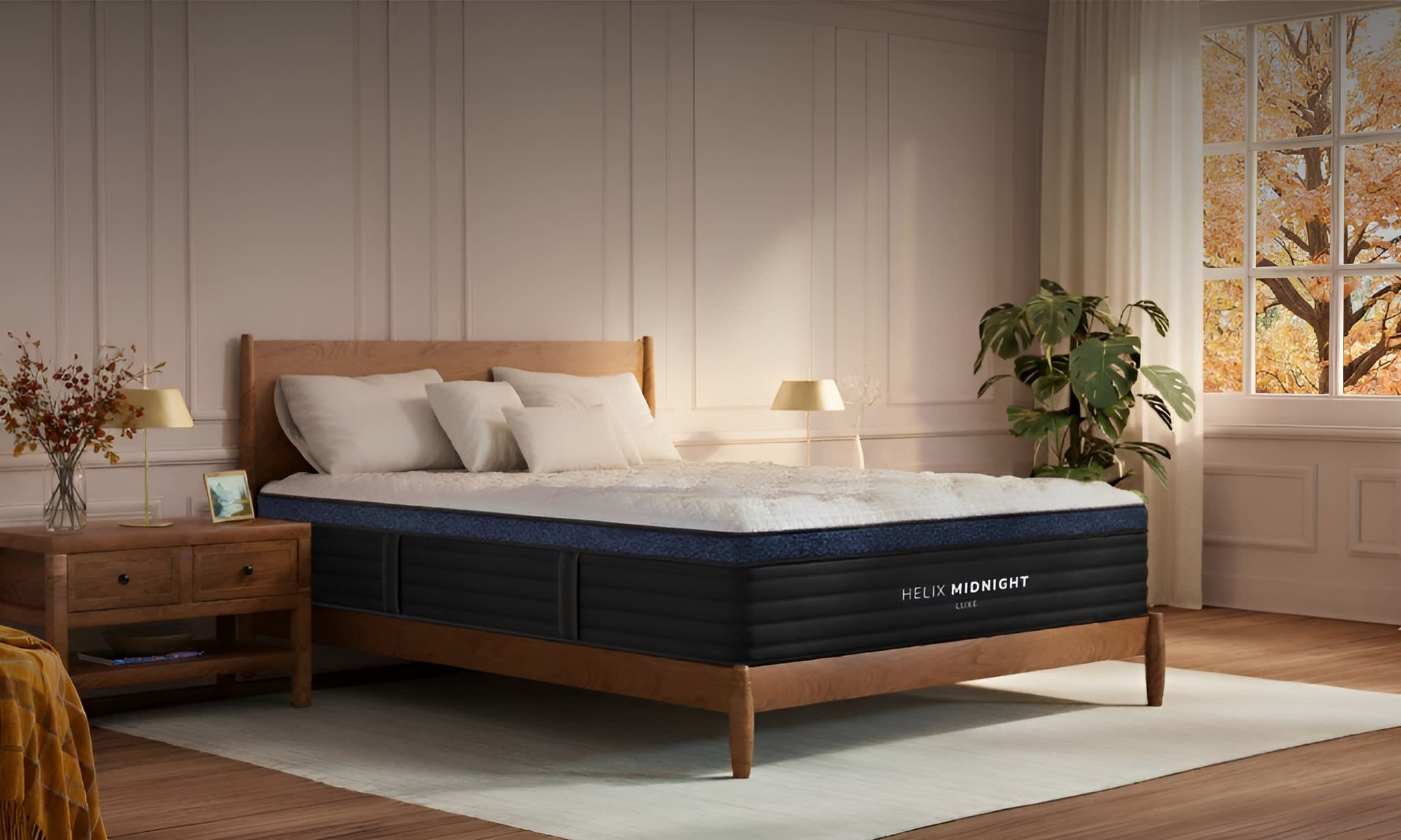
Lab Tested
Hybrid · 13.5 inches · firmness 5.5/10 · 120 nights trial · Limited lifetime warranty (purchases on or after 02/01/2025; first 10 years non-prorated)
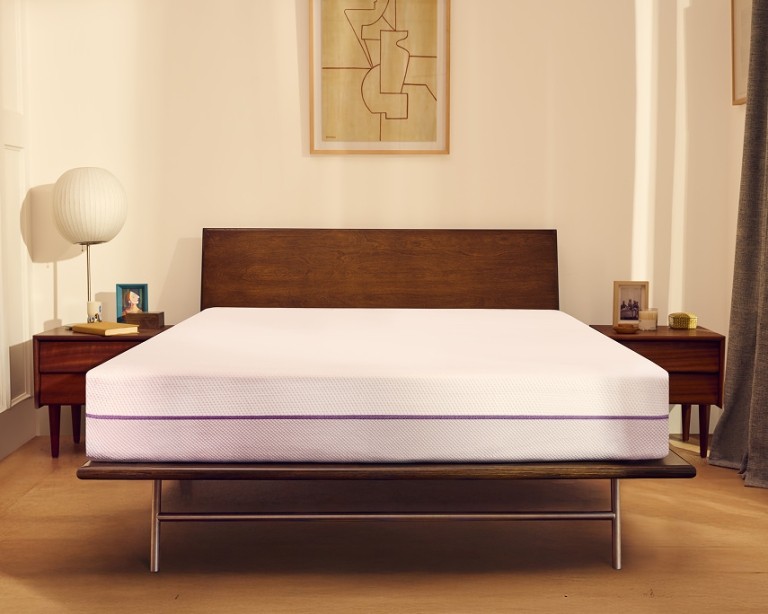
Lab Tested
Hybrid · 13 inches · firmness 5/10 · 100 nights trial · 10 years
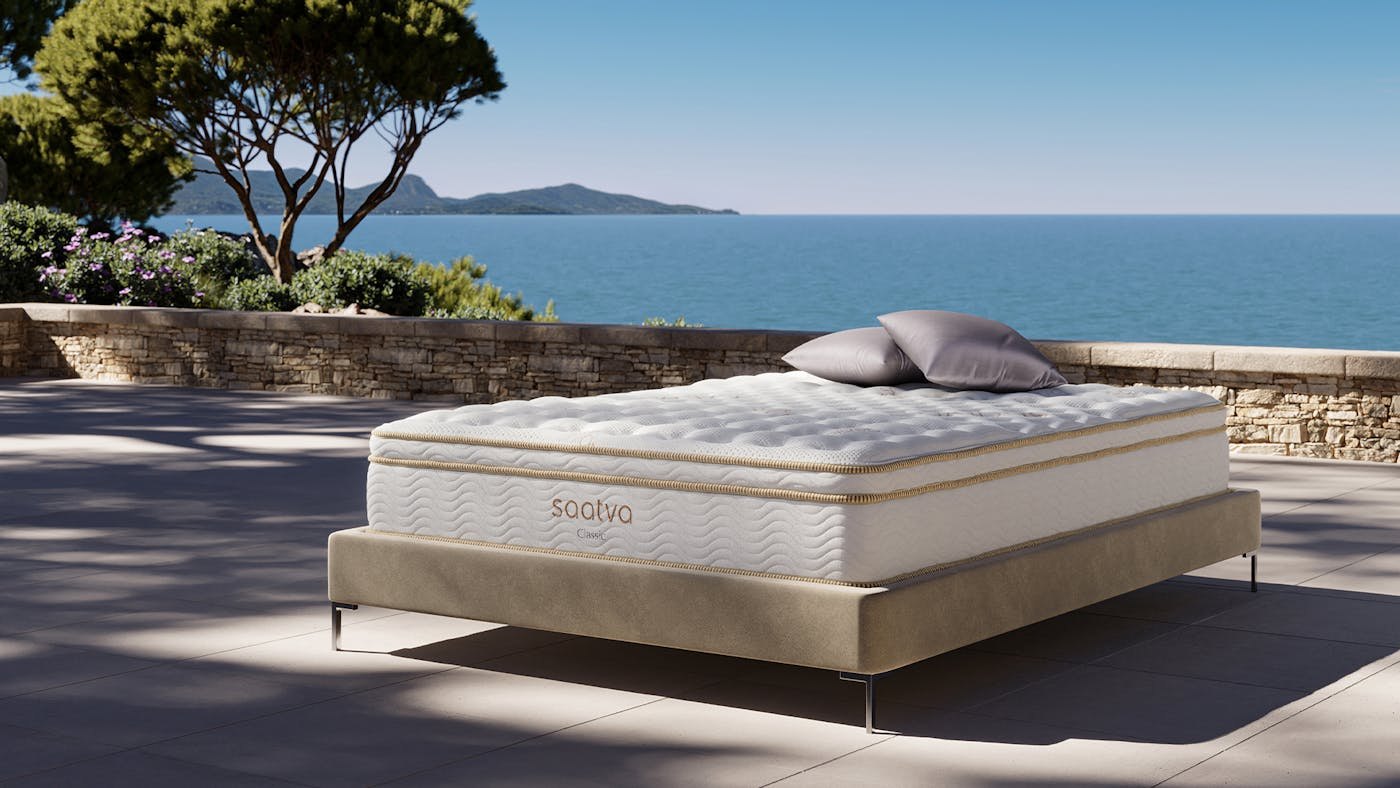
Handcrafted luxury with eco-friendly materials
Lab Tested
Innerspring Hybrid · 14.5 inches · firmness 6/10 · 365 nights trial · Lifetime
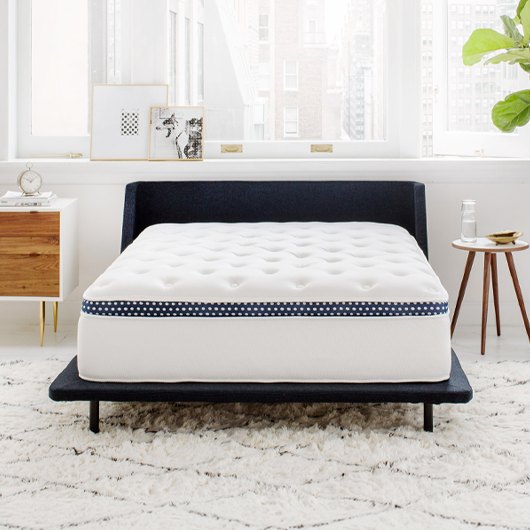
The world's most-awarded luxury hybrid mattress
Lab Tested
Luxury Hybrid · 13.5 inches · firmness 6.5/10 · 120 nights trial · Lifetime
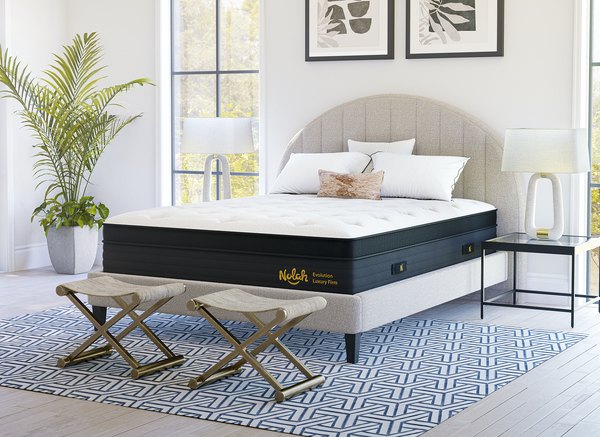
Lab Tested
Hybrid · 15 inches · firmness 6/10 · 120 nights trial · Lifetime
| Mattress | Best for | Cooling | Type | Firmness | Pressure relief | Motion iso. | Edge support | Queen price | Trial | Warranty | Testing status |
|---|---|---|---|---|---|---|---|---|---|---|---|
| Brooklyn Bedding ThermoBalance Elite | Best Overall | 9.9 | Luxury Hybrid | 6/10 | 9.6 | 9.4 | 9.2 | $1749 | 120 nights | Limited Lifetime | Research Evaluation |
| DreamCloud Premier | Best Pressure Relief | 9.2 | Luxury Hybrid | 6.5/10 | 9.5 | 9.3 | 9.4 | $1099 | 365 nights | Forever Warranty (lifetime, limited) | Lab Tested |
| Brooklyn Bedding ThermoBalance | Best Cooling | 9.8 | Luxury Hybrid | 6/10 | 9.4 | 9.1 | 9 | $1282 | 120 nights | Limited Lifetime | Research Evaluation |
| Helix Midnight Luxe | Best for Couples | 9.3 | Hybrid | 5.5/10 | 9.4 | 9.6 | 9.2 | $1099 | 120 nights | Limited lifetime warranty (purchases on or after 02/01/2025; first 10 years non-prorated) | Lab Tested |
| Purple Hybrid Premier | Best for Side Sleepers | 9.8 | Hybrid | 5/10 | 9.4 | 9.1 | 8.9 | $1999 | 100 nights | 10 years | Lab Tested |
| Saatva Classic | Back sleepers who need firm support | 9.4 | Innerspring Hybrid | 6/10 | 9.3 | 8.8 | 9.7 | $1295 | 365 nights | Lifetime | Lab Tested |
| WinkBed | Back and combination sleepers | 9.3 | Luxury Hybrid | 6.5/10 | 9.2 | 9 | 9.5 | $1799 | 120 nights | Lifetime | Lab Tested |
| Nolah Evolution 15 | Best Value | 9.1 | Hybrid | 6/10 | 9.3 | 9.2 | 9 | $1199 | 120 nights | Lifetime | Lab Tested |
These beds clear the same attribute gate but sit well above the mainstream price range, so they are listed separately rather than mixed into the ranking.
Sleep problems are among the most commonly reported symptoms of the menopause transition. Health authorities describe hot flashes and night sweats (together called vasomotor symptoms), temperature sensitivity, fragmented sleep and difficulty falling or staying asleep as common during this period.
We are a mattress and bedding publication, not a medical one. What follows is about the sleep surface and the sleep environment only. For symptoms themselves, a qualified healthcare professional is the right source.
Background sources: National Institute on Aging · NHS.
Airflow comes from structure more than marketing. A pocketed-coil support system leaves open space under the comfort layers; latex is naturally springy and usually pinhole-ventilated; thinner comfort layers put less material between you and that airflow. Covers matter too — knit fabrics with lyocell, cotton or wool move moisture better than dense polyester. Perforated foams, lower-density foams and phase-change treatments all help airflow or heat transfer at the surface. None of them guarantees a lower body temperature, and cool-to-the-touch finishes fade once the fabric warms to you.
When sleep is already broken, comfort has less margin for error. A shoulder or hip that would go unnoticed through an unbroken night becomes the reason you stay awake after waking at 3am.
Responsive surfaces — latex, coils, faster-recovering foams — make repositioning and getting out of bed take less effort. That is worth more than it sounds if you move around or get up several times a night.
Useful for couples when one person wakes, turns or leaves the bed more often. Foam comfort layers and individually pocketed coils both absorb movement; connected innerspring units do not.
A reinforced perimeter makes sitting on the side and getting in and out easier, and keeps the outer few inches usable rather than something you roll away from.
There is no medically correct firmness for menopause. Pick on sleeping position, body weight and what you already find comfortable — the sections below break that down.
No material is off-limits and none is a guarantee. What follows is how each tends to behave.
Shoulders and hips carry the load, so you need enough contouring to let them sink while the waist stays supported. That usually means the softer half of the medium range. A thinner, more responsive comfort layer keeps that contouring without the deep, enclosed feel that some people notice as warmth.
The lumbar gap needs filling without letting the hips drop. Medium to medium-firm is the common landing spot, and a thinner comfort layer over a supportive core keeps the spine level while leaving more airflow near the surface.
Hips sink first on this position, so firmer is safer. Firmer surfaces also mean less of you is enclosed by foam, which is usually the cooler-feeling option anyway.
Ease of movement matters as much as feel. Latex and coil-based beds push back, so turning over takes less effort — useful if you wake and reposition several times a night.
Lighter bodies compress less of the comfort layer, so firm beds can feel harder than their rating suggests and pressure relief scores matter more than firmness numbers. Softer-of-medium usually fits.
Most mattresses are built and rated around this range, so published firmness ratings tend to match what you feel. Position and personal preference decide.
More of the comfort layer compresses, so both support and edge support carry more weight in the decision. Coil-based hybrids and firmer builds generally hold up better, and they leave more airflow than deep foam that fully compresses under you.
Two people, one surface, often two different temperature preferences. Motion isolation keeps a 3am trip to the kitchen from waking the other person; edge support keeps the full width usable; responsiveness makes getting up quieter and easier; and airflow matters more with two bodies adding heat to the same bed. Helix Midnight Luxe rates 9.6/10 for motion isolation and 9.2/10 at the edge, the strongest combination in this ranking.
Where preferences genuinely differ, split-firmness builds and split-king adjustable setups let each side be set separately — worth the extra cost only if one of you wants a materially different feel.
Everything between you and the mattress affects perceived warmth: sheet fibre and weave, whether the protector breathes or traps moisture, how thick the topper is, how heavy the comforter is, what you sleep in, and the room temperature itself. These are cheaper and faster to change than a mattress, and often noticeable.
On the attributes that shape how a bed feels through a warm night, the Brooklyn Bedding ThermoBalance Elite finishes first at $1749 queen — 9.9/10 cooling, 9.6/10 pressure relief and 9.2/10 edge support, with a 120 nights trial to decide at home. The rest of the ranking differs mostly in price, firmness and how much foam sits above the support core, so use the quick picks to match your own priority rather than defaulting to the top of the list.
There is no single medically correct answer, and no mattress treats menopause. Constructions that move air — pocketed-coil hybrids, latex and beds with thinner comfort layers or breathable covers — tend to feel less warm than thick, dense all-foam builds. On our attribute ranking the Brooklyn Bedding ThermoBalance Elite (Luxury Hybrid) currently leads.
A mattress cannot prevent or shorten a hot flash. What it can change is how warm and damp the surface feels around you, how easy it is to move or get up, and how much of that disturbs a partner. Treat it as comfort and sleep environment, not treatment.
Not as a blanket rule. Thick, dense memory foam layers hug the body and slow airflow, which many people notice as warmth. Open-cell foams, thinner comfort layers, perforated or phase-change-treated foams and coil support under the foam all improve airflow, and plenty of foam beds are comfortable for people who sleep warm.
Often, yes, because a pocketed-coil core leaves open space for air to move under the comfort layers. The cover and the depth of foam on top still matter: a hybrid with six inches of dense foam above the coils can feel warmer than a thinner all-foam bed.
Latex is responsive rather than slow-sinking, so you sit more on the surface than in it, and Dunlop and Talalay latex are usually pinhole-ventilated. Both traits help with airflow. It is also heavier and more expensive than comparable foam.
There is no menopause-specific firmness. Choose on sleeping position, body weight and personal comfort: softer for side sleepers and lighter bodies, firmer for stomach sleepers and heavier bodies, with most back and combination sleepers in the medium to medium-firm range.
Bedding sits between you and the mattress, so it is often the fastest thing to change. Dense sateen, heavy polyester fill and a plastic-backed protector hold warmth and moisture; percale cotton, linen, lyocell and a breathable protector move it away faster.
Not as a first step. Sheets, a breathable protector, a lighter comforter and room temperature are cheaper changes and often noticeable. A new mattress is worth considering when the current one is also sagging, uncomfortable or past its useful life.
If you're researching menopause, these related guides often help too.
Keep exploring
Frequently Asked
Sleep Sage cites primary sources for all clinical claims. Lab measurements (firmness, pressure, temperature, motion transfer) originate from our internal protocol described at /how-we-test.
Before you buy, read the brand: construction, pricing bands, trial and warranty terms, and how each company's lineup performed in our Encinitas lab.
Hand-picked guides and reviews from our editorial team.
Breathable weaves and fibres for night sweats.
Breathable toppers for a bed that feels warm.
Room, bedding and sleepwear changes for more comfortable nights.
Lab-measured surface-temperature winners.
Category winners ranked on loft, cooling, and 60-night loft loss.
Every situational buying guide in one hub.