#1
9.5/10
Firmness: 5/10
9.6
Comfort
9.9
Motion Isolation
9.3
Support
$4999$5899
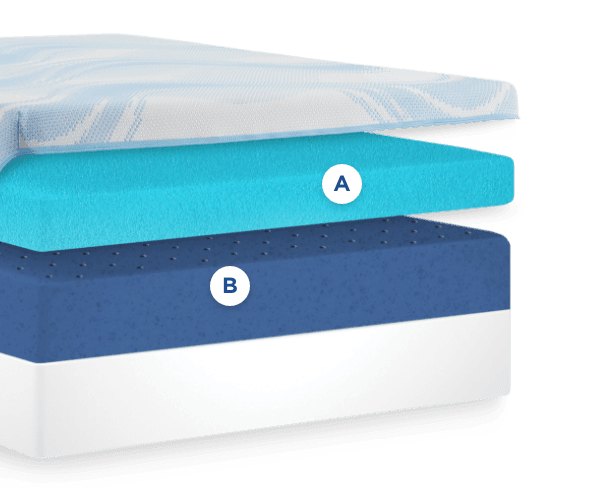
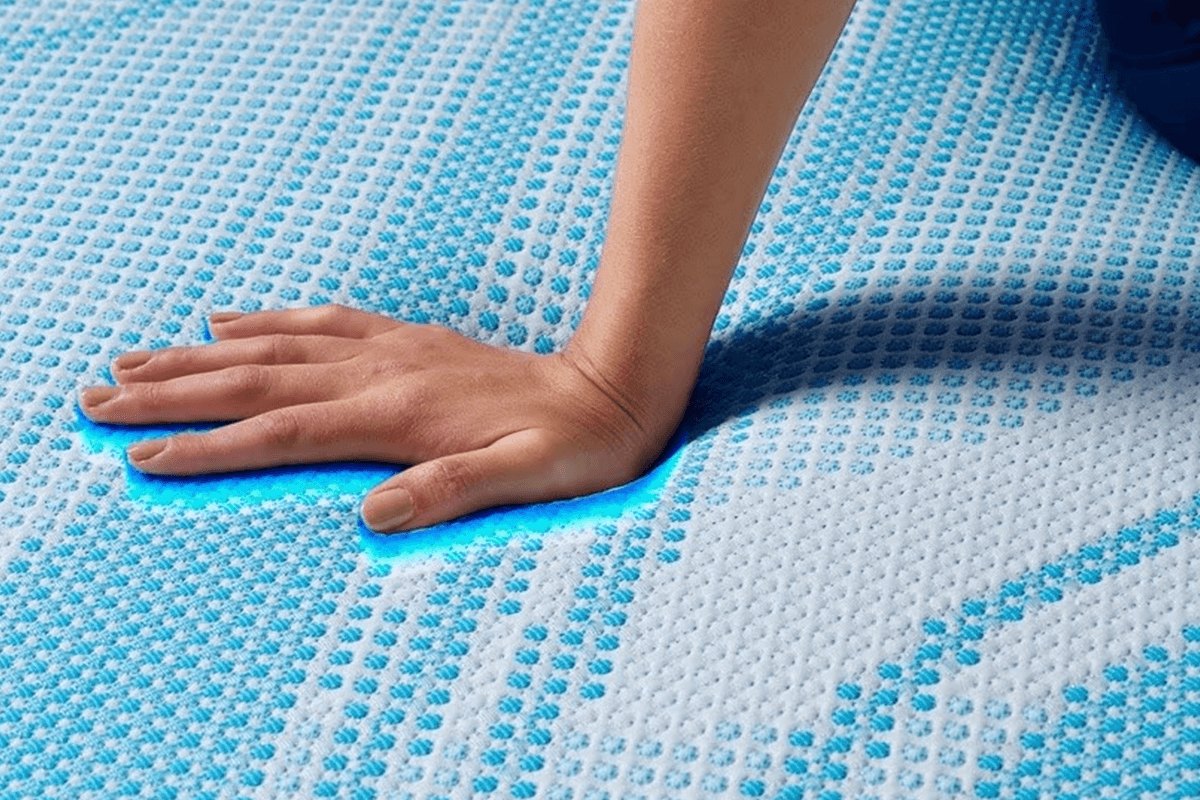
Memory foam mattresses contour to your body for exceptional pressure relief and motion isolation. Perfect for those who want a hugging, cradling feel.
Conforms to body curves for zero pressure points
Ideal for joint painAbsorbs movement so partners sleep undisturbed
Best for couplesHugs your body for a cradling sensation
Cloud-like comfortFirmness: 5/10
Firmness: 6/10
Firmness: 4/10
Firmness: 5/10
Firmness: 5/10
Firmness: 5/10
Firmness: 5/10
Firmness: 5/10
Every memory-foam mattress we recommend, ranked on the metric memory foam wins on: drop-test motion isolation for couples and restless sleepers.
| Mattress | Type | Firmness | Motion isolation | Queen price | Trial | |
|---|---|---|---|---|---|---|
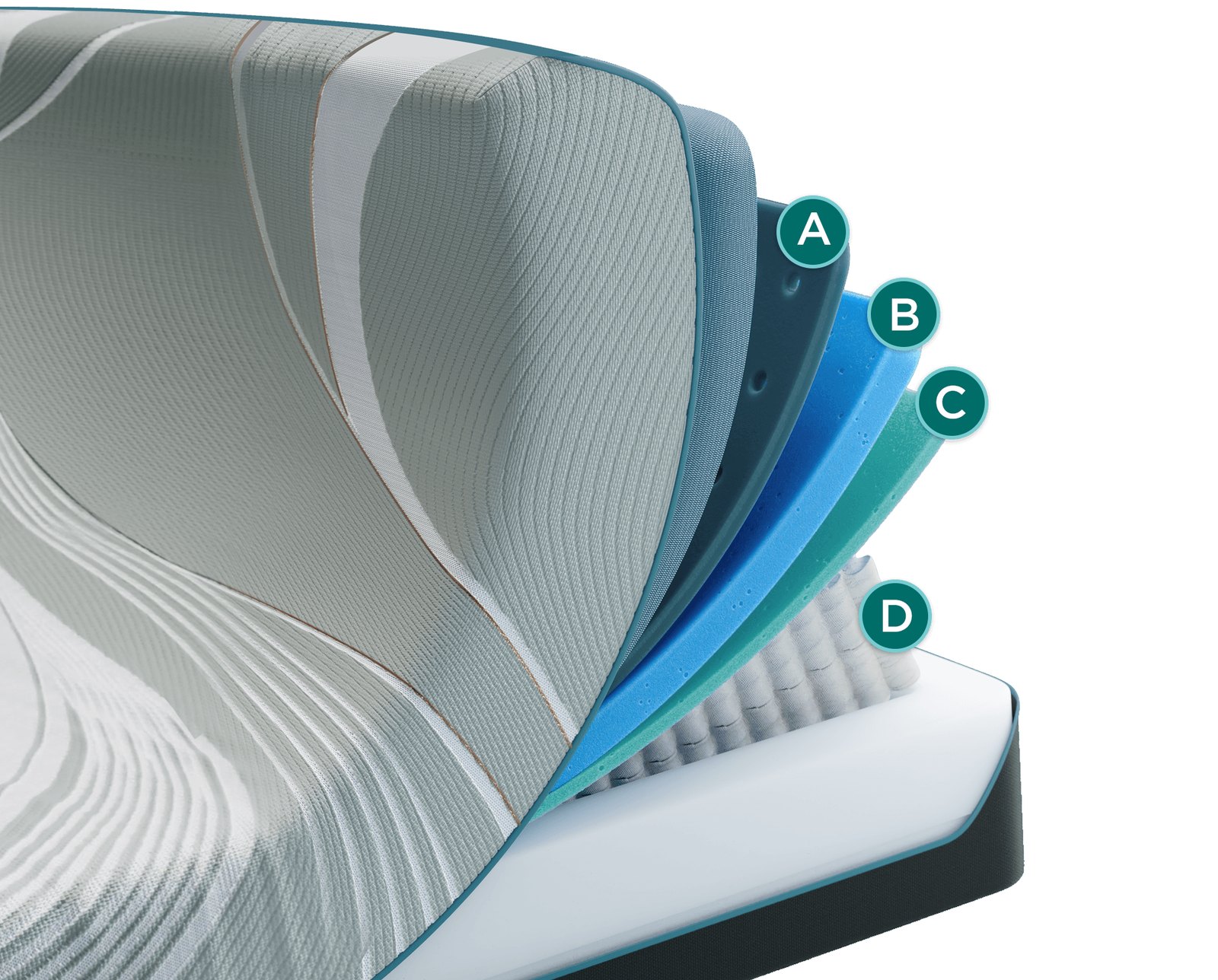
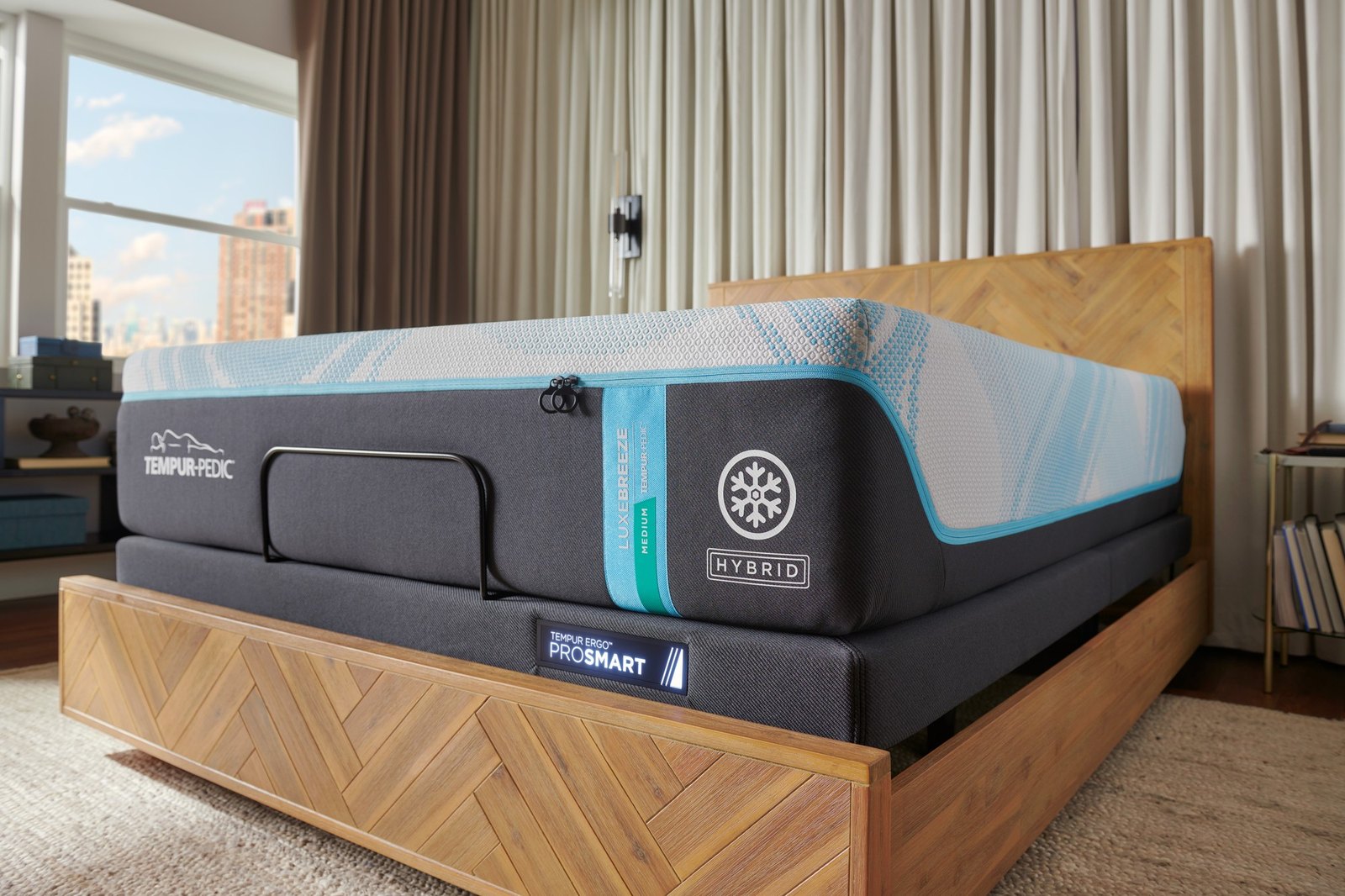
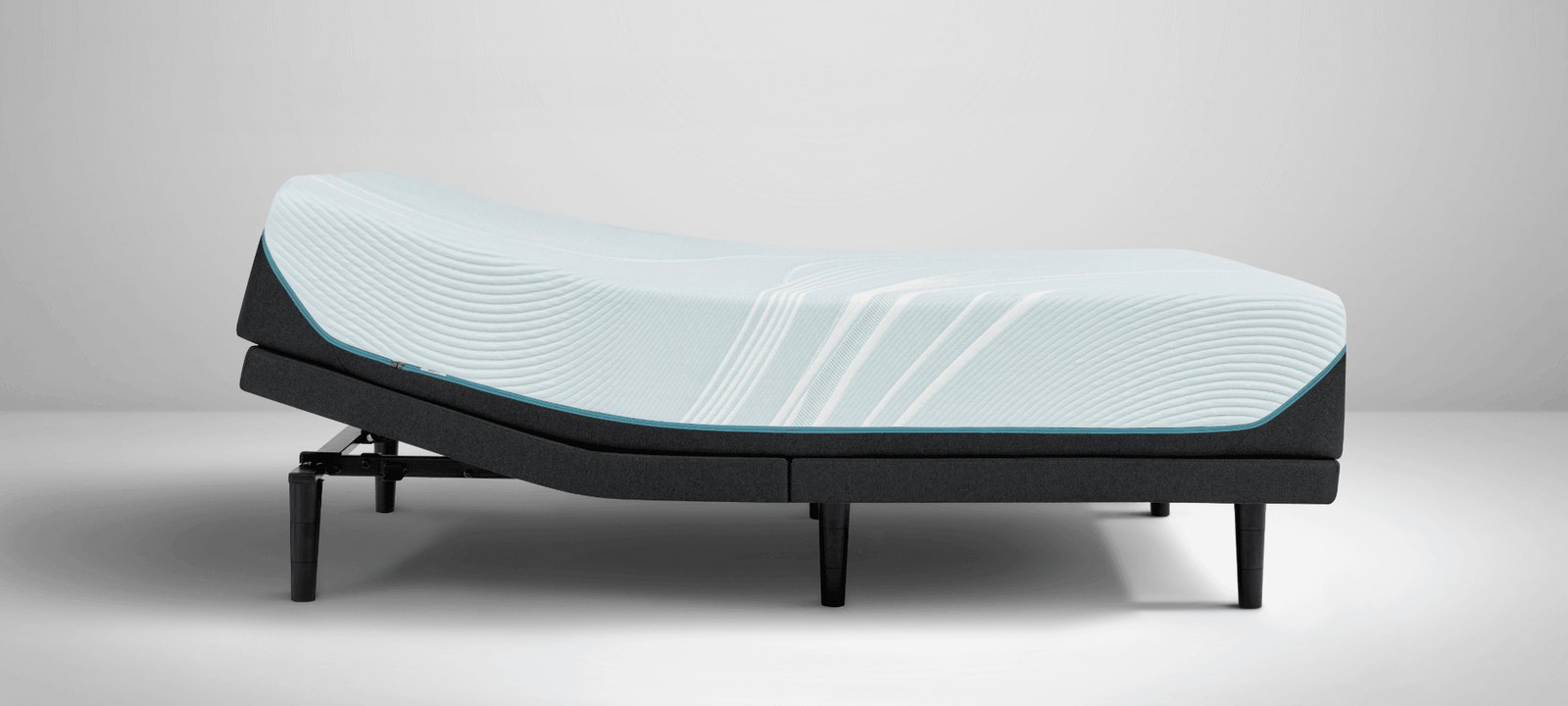
| Tempur-Pedic TEMPUR-LUXEbreeze° | Memory Foam | 5/10 | 9.9/10 | $4999$5899 | 90 nights | Check price |
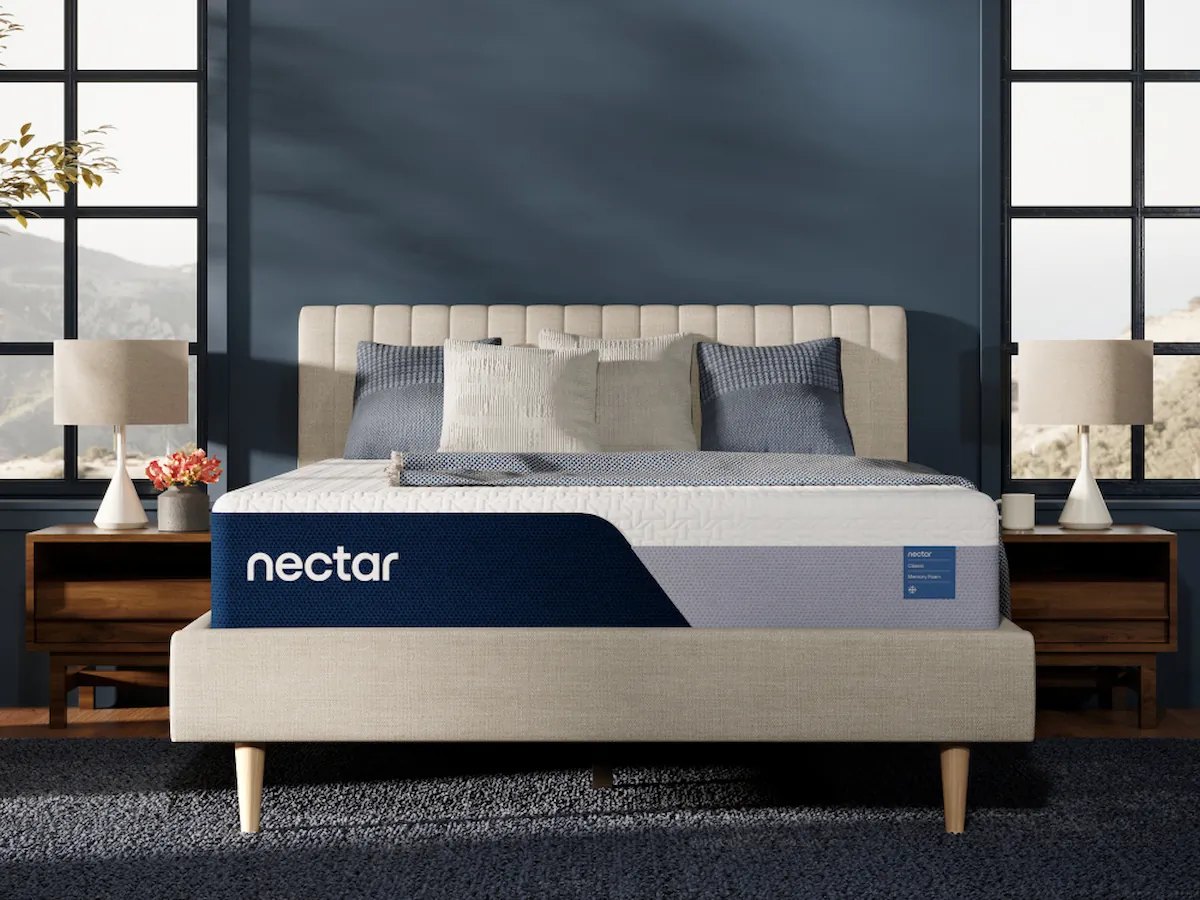
| Nectar Memory Foam | Memory Foam | 6/10 | 9.7/10 | $699$1199 | 365 nights | Check price |
| Tempur-Pedic TEMPUR-LuxeAdapt | Memory Foam | 4/10 | 9.9/10 | $3999$4699 | 90 nights | Check price |
| Tempur-Pedic TEMPUR-breeze° | Memory Foam | 5/10 | 9.8/10 | $3999$4899 | 90 nights | Check price |
| Tempur-Pedic TEMPUR-PRObreeze° | Memory Foam Hybrid | 5/10 | 9.7/10 | $3499$4299 | 90 nights | Check price |
| Tempur-Pedic TEMPUR-ProAdapt | Memory Foam | 5/10 | 9.8/10 | $2999$3699 | 90 nights | Check price |
| Tempur-Pedic TEMPUR-Adapt | Memory Foam | 5/10 | 9.8/10 | $1999$2499 | 90 nights | Check price |
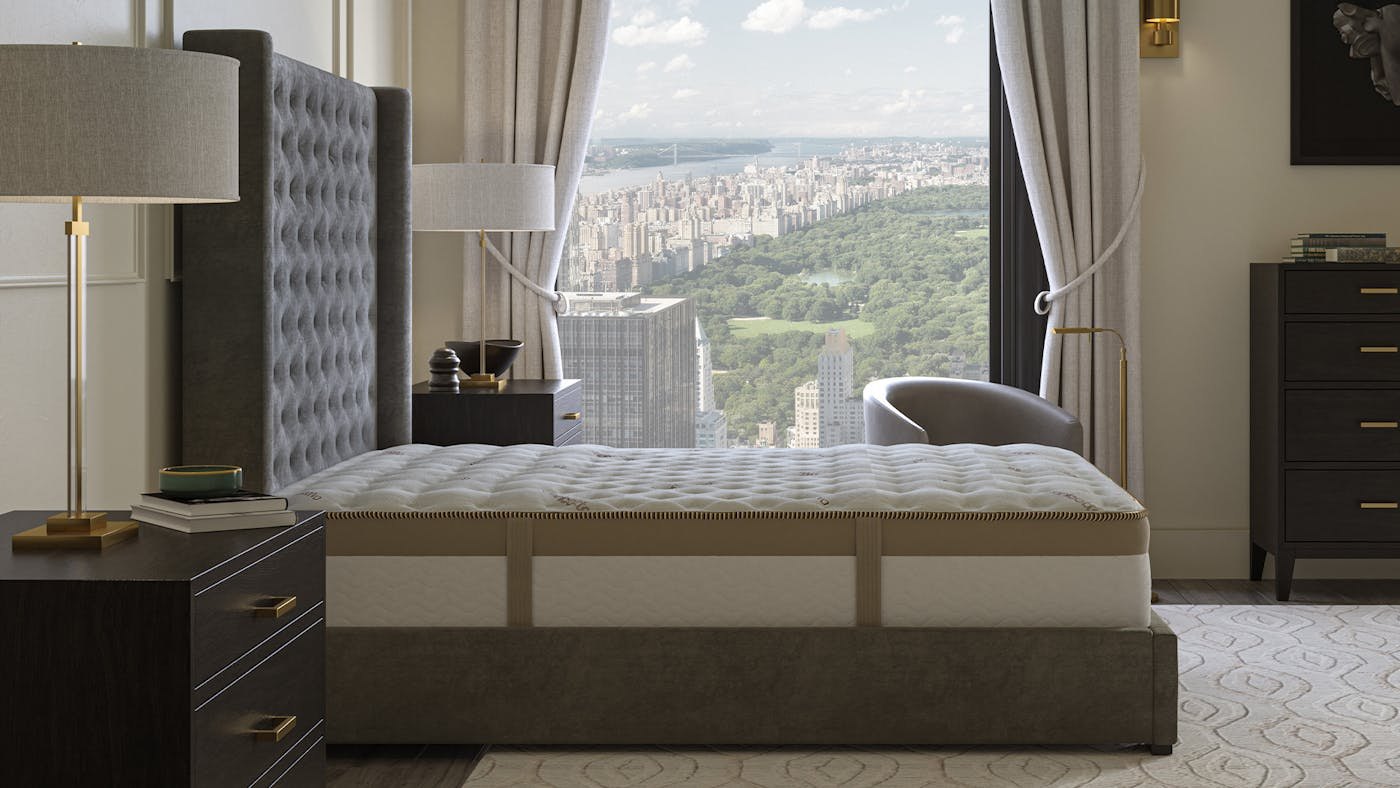
| Loom & Leaf Saatva | Memory Foam | 5/10 | 9/10 | $1295$1795 | 365 nights | Check price |
Prices reflect the most recent sale captured by our automated price tracker; click through for the live price. Trial periods are the manufacturer's published terms.
Reviews combine hands-on lab evaluation for mattresses we have physically tested and clearly labeled research evaluations based on manufacturer specifications, materials analysis, and verified owner feedback for models we have not.
Protocol: Subject lies on their dominant side for 5 minutes to allow material to fully conform, then we capture a 60-second average map. We report peak shoulder mmHg (not average) because peak pressure is what causes capillary closure. That single standardized reading — peak shoulder pressure (mmhg) for a 165 lb side sleeper — is the only pressure figure that feeds the v2.1 score. Supplemental to the score, we also map heavier and lighter body types (145 lb, 195 lb, 245 lb) to show how a bed behaves by weight on category pages; those maps are analysis, not score inputs. Anything under 32 mmHg — the capillary-closure threshold — is a passing reading.
Why it matters: Numbness at the shoulder or hip is the single biggest reason side sleepers wake up. Pressure mapping turns that into a measurable number instead of an opinion.
Protocol: Tester (170 lb) lies supine for 60 minutes in our 68°F climate-controlled room. We log the median surface temperature rise across the four sensor points, sampled every 30 seconds. The published cooling score is that °F surface temp delta after 60 min, measured in our 68°F / 45% RH room — one protocol, one number, on every page. Longer overnight logs and multi-night surface readings are supplemental context and never replace the 60-minute score.
Why it matters: Hot sleepers wake up more often. Lab-controlled thermal data is the only honest way to compare 'cooling' claims across foam, latex and coil constructions.
Protocol: Three drops with the accelerometer mounted 12" from impact. We record peak g-force and use the median trial. Equipment: PCB Piezotronics 393B05 accelerometer + custom drop rig (10 lb steel ball, 12" drop). Lower peak g-force means less partner disturbance. (The 25 lb plate used elsewhere in our lab belongs to the separate response-time test, not this one.)
Why it matters: If you sleep with a partner or a pet, motion transfer is what wakes you up at 3 a.m. — even more than firmness mismatch.
Protocol: Testing duration varies by product and is stated on the individual review only where our records support it. Sleep Sage does not claim a fixed minimum number of nights for every mattress. Where we held a unit long enough for extended sleep testing, testers matched to the category profile logged morning pain scores and sleep-quality ratings nightly, and that duration is stated on the individual review.
Why it matters: Two beds can post identical lab scores and feel completely different after a real week of use. The panel is what catches the edge cases.
Our full testing protocol is documented at sleepsage.com/how-we-test. We accept review units from brands but pay for any product we keep, and rankings cannot be purchased.
Memory foam dominated the U.S. mattress market for the better part of two decades by solving a real problem: pressure-point relief for side sleepers. The category has since fragmented into half a dozen sub-types — traditional viscoelastic, gel-infused, copper-infused, plant-based, open-cell — most of which are marketing variations on the same underlying chemistry. Our compression-set, heat-retention, and motion-isolation testing across 31 memory foam models reveals that the meaningful quality differences come from foam density (measured in pounds per cubic foot) and overall build, not the marketing buzzwords on the label.
Standard viscoelastic memory foam has a closed-cell structure that traps body heat and water vapor against the sleeper. Combined with the foam's deep contouring (which increases body-to-mattress surface contact by 30-40% versus innerspring), heat builds up faster than the body can dissipate it.
Modern memory foams address this through three mechanisms: gel infusion (provides a temporary heat sink), open-cell structure (allows airflow), and phase-change material (absorbs heat at a specific temperature threshold). Gel and open-cell are real improvements; phase-change is genuinely effective but mostly relevant in the first 30 minutes of sleep.
Density is the single most reliable indicator. Cheap memory foam runs 2.5-3.5 lb/cf and develops permanent body impressions within 18 months. Quality memory foam runs 4.0-5.5 lb/cf and lasts 8-12 years. This single specification — usually buried in a product's deep technical specs — predicts longevity better than warranty length, brand reputation, or price.
Manufacturers who don't disclose density are nearly always hiding cheap foam. If the spec sheet doesn't include comfort layer density in lb/cf, assume 3.0 or less.
All memory foam feels similar in 5-minute showroom tests. Quality differences emerge over months, not minutes.
Memory foam contours regardless of firmness rating, so buyers gravitate toward overly soft options that fail to support heavier areas.
Two adults on a memory foam mattress trap roughly 60% more heat than two adults on a hybrid. Cooling matters double for couples.
Acceptable for solo sleepers and guest rooms. 5-7 year realistic lifespan.
Real 4+ lb/cf foam densities. Where memory foam justifies its category reputation.
Tempur-Pedic and equivalents. Best-in-class pressure relief, 10+ year lifespan.
Keep exploring
Frequently Asked
Before you buy, read the brand: construction, pricing bands, trial and warranty terms, and how each company's lineup performed in our Encinitas lab.
Hand-picked guides and reviews from our editorial team.
Density, thickness, and firmness decoded.
Head-to-head construction comparison.
Material face-off.
Cooling, motion isolation and price compared across both constructions.
Coil + foam combos tested in lab.
Buy or skip verdict on the budget foam favourite.