#1
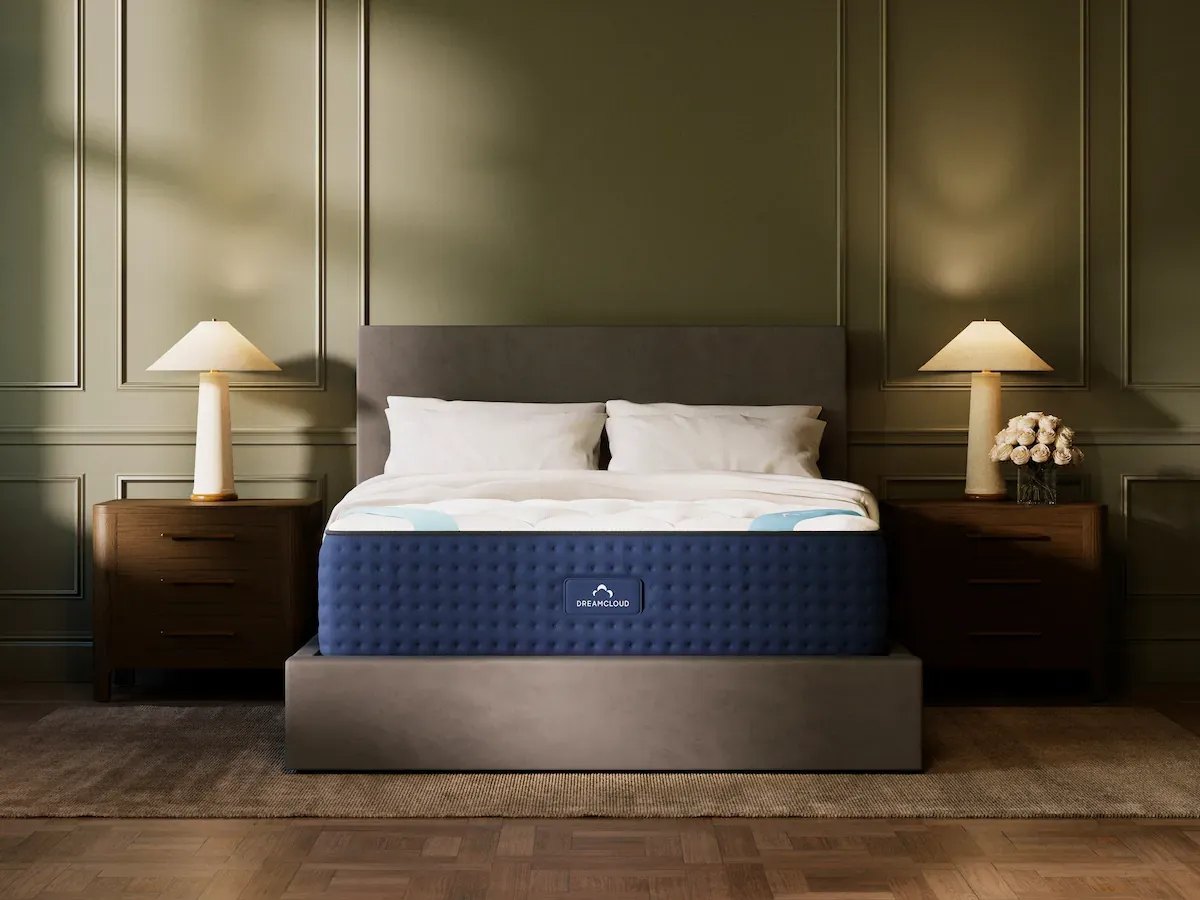
9.6/10
Luxury Hybrid
9.7
Support
9.4
Edge Support
6.5
Firmness
$1099$1099
Chronic back pain affects 80% of adults at some point. The right mattress can help alleviate pain by providing proper spinal alignment and targeted support where you need it most.
This guide covers back pain broadly — upper, mid, and lower. If your pain is specifically lumbar, start with our lower back pain mattress picks, which are ranked against the Lancet medium-firm benchmark.
Extra support under the lumbar region to maintain natural spine curvature
Look for 'zoned' or 'lumbar' supportNot too soft (causes sinking) or too firm (creates pressure points)
5.5-7 firmness rating idealEasy to move and change positions without fighting the mattress
Hybrid or latex recommended💡 Expert Tip: If you have chronic back pain, consider a hybrid mattress. The combination of responsive coils for support and memory foam for pressure relief is often ideal for back pain sufferers.
Luxury Hybrid
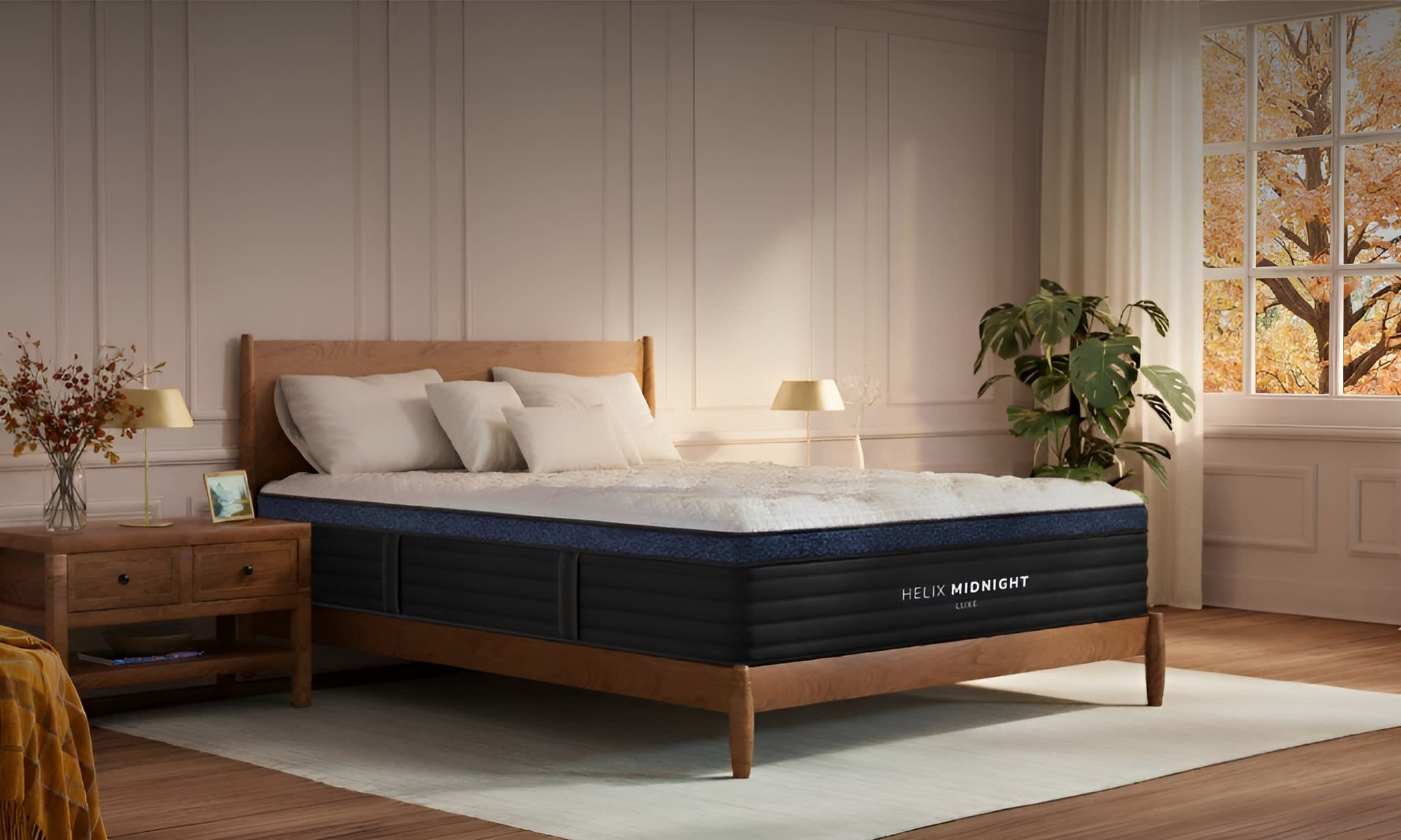
Hybrid
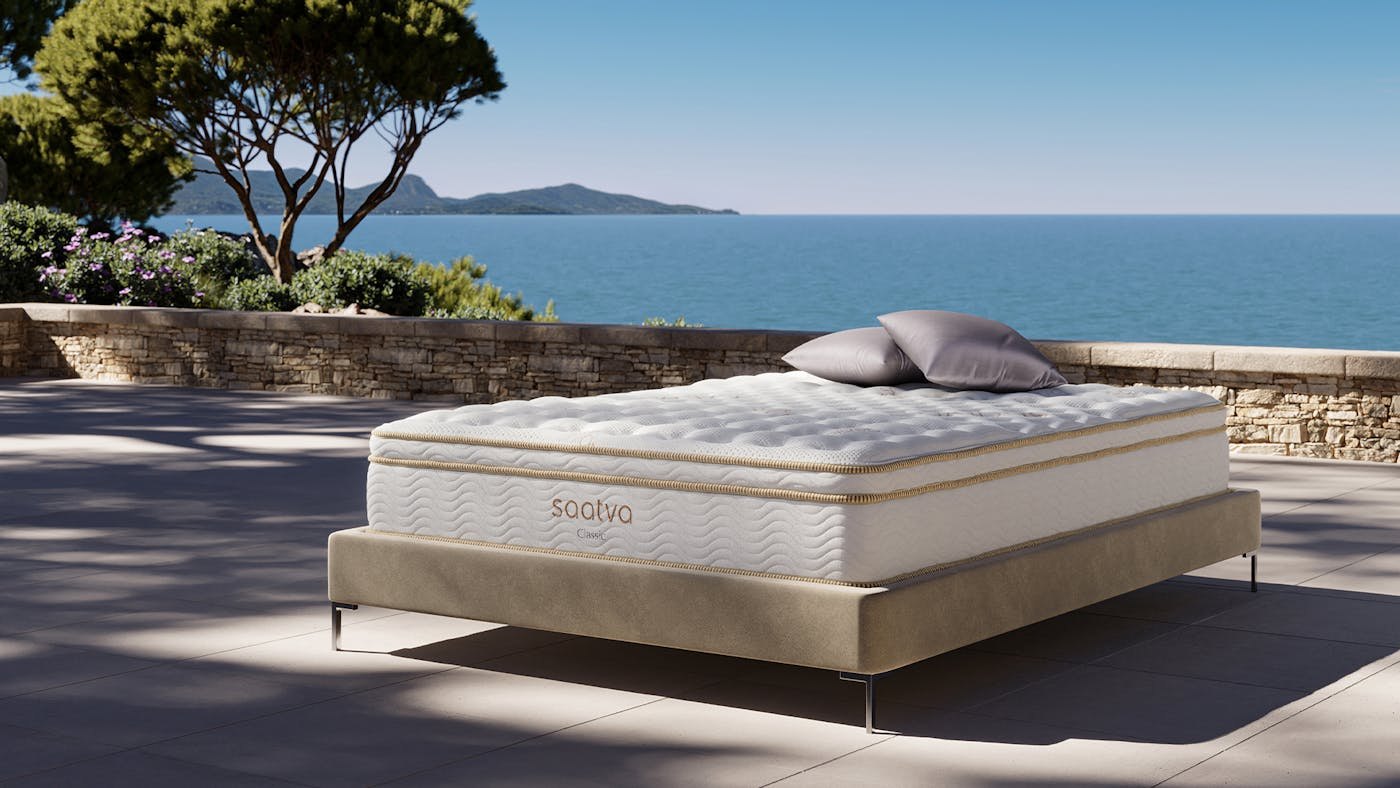
Innerspring Hybrid
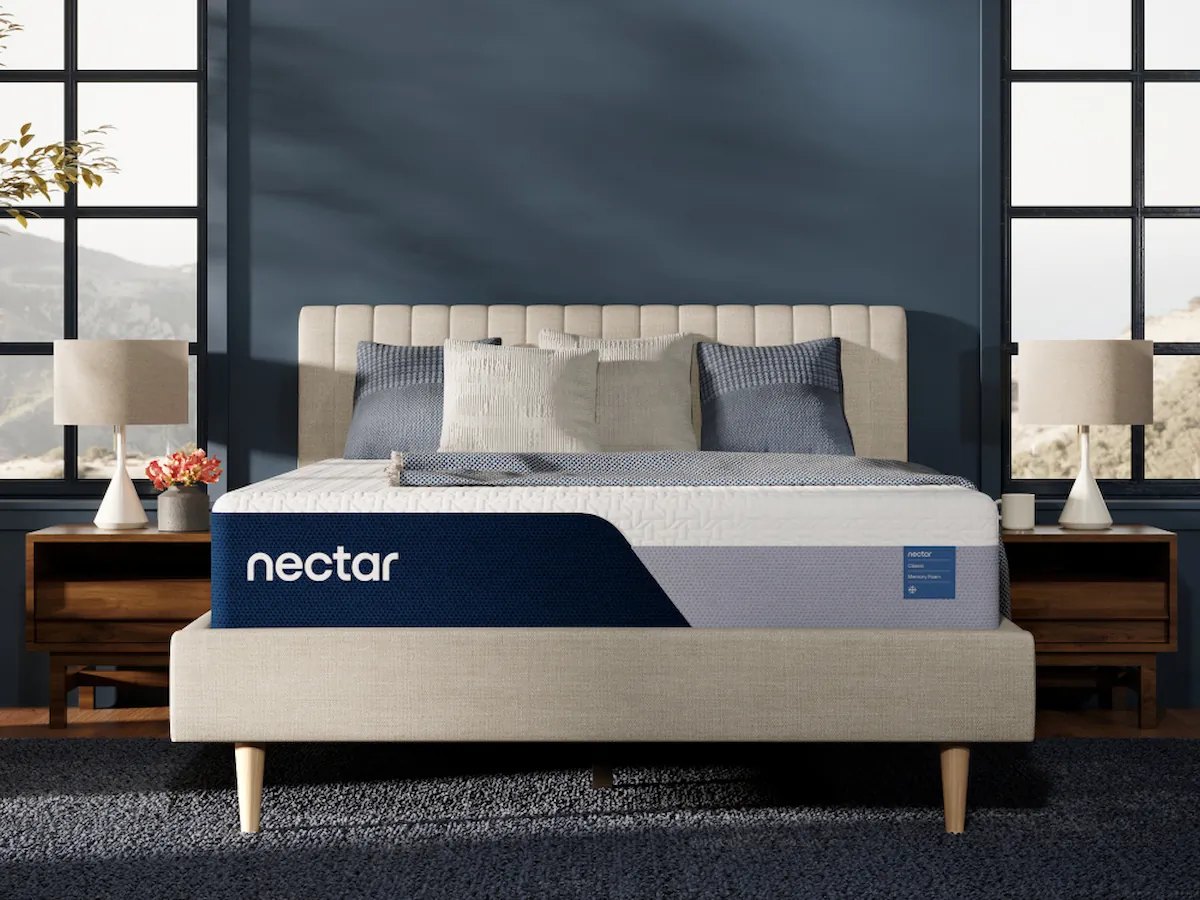
Memory Foam
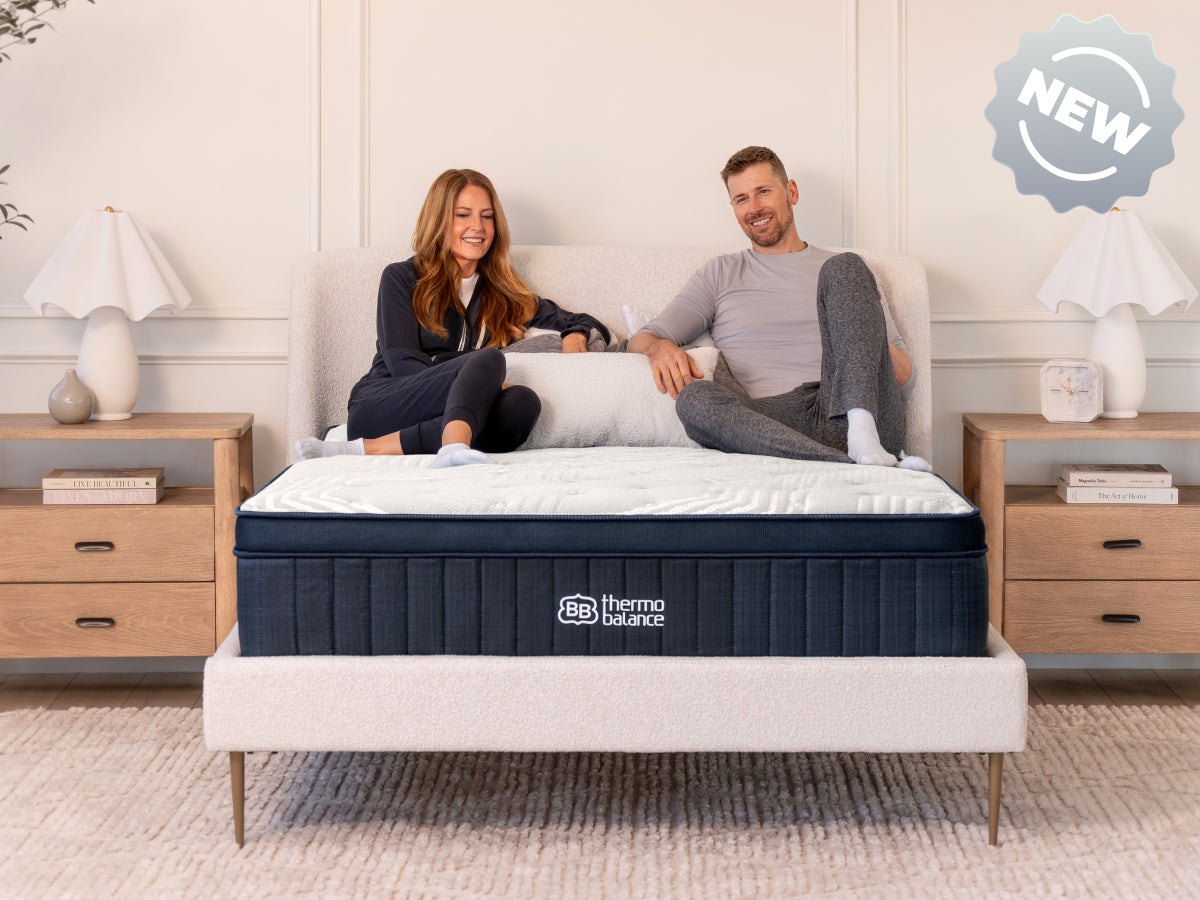
Latex Hybrid
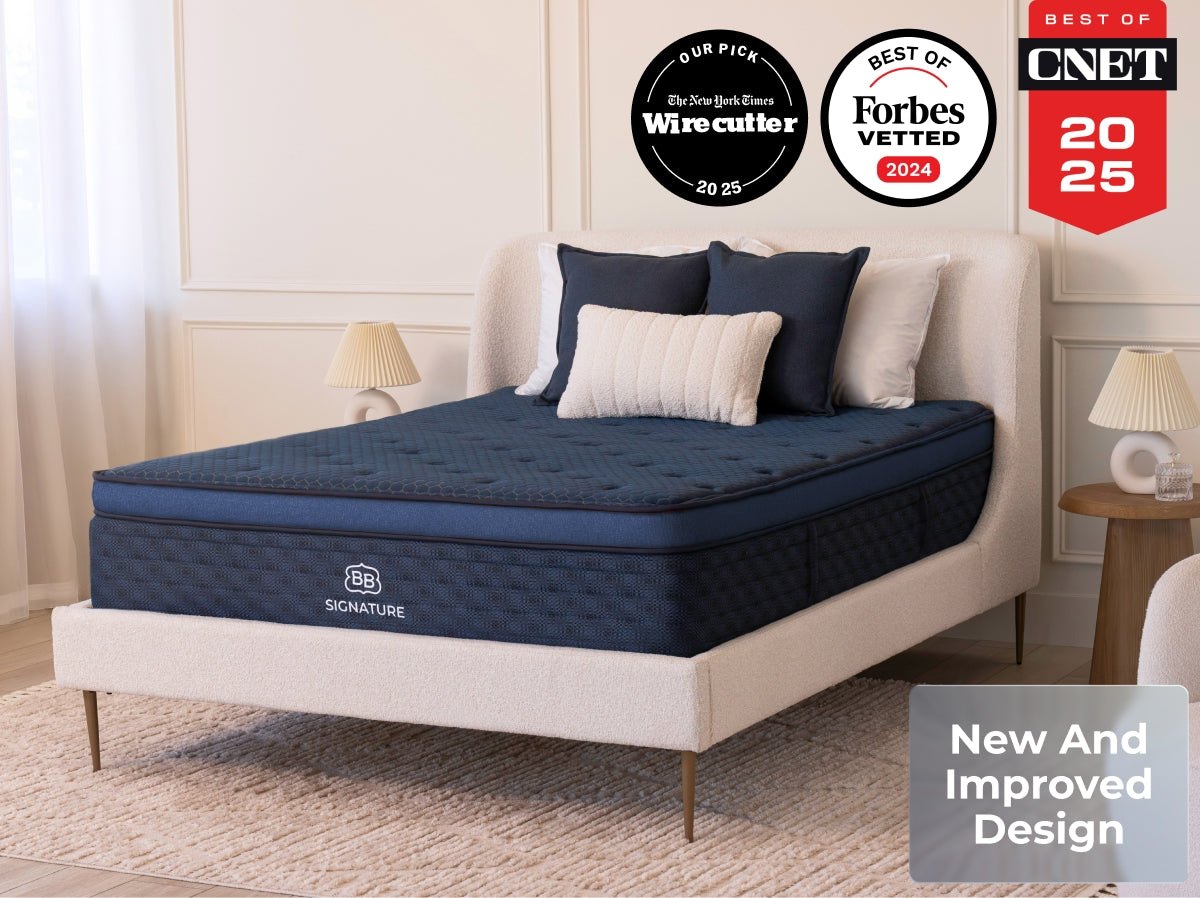
Hybrid
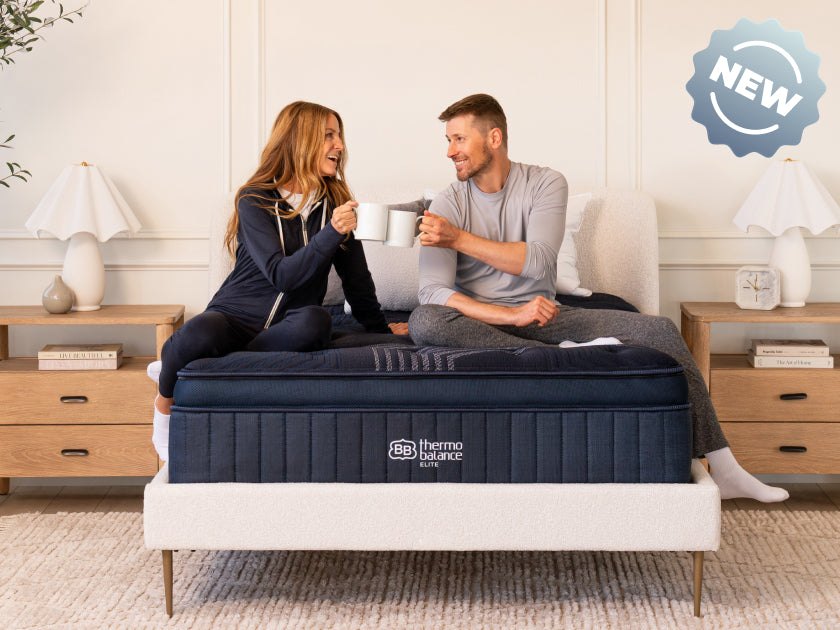
Luxury Hybrid
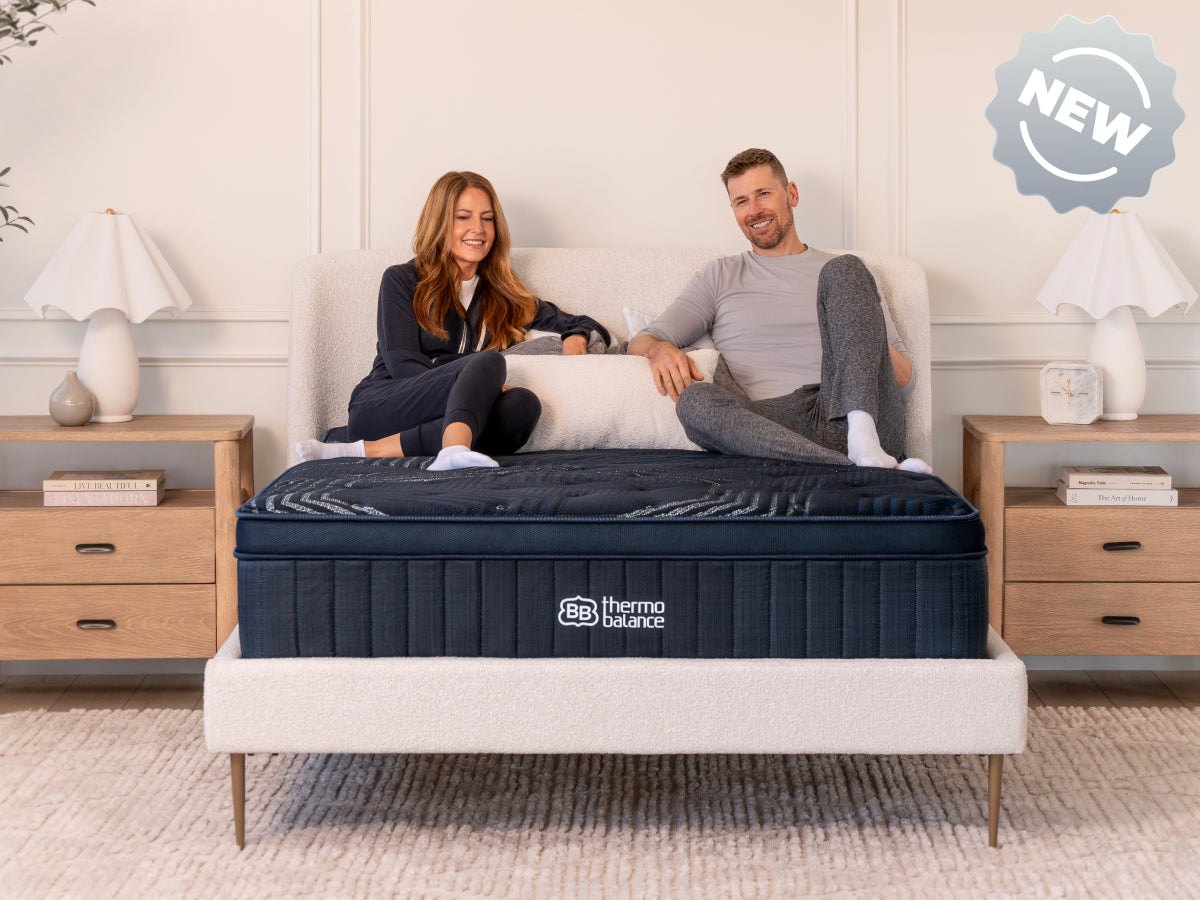
Luxury Hybrid
Every mattress we recommend for back pain, scored on the metric that matters most: deflectometer-measured lumbar support across a 50–150 lb load range.
| Mattress | Type | Firmness | Lumbar support | Queen price | Trial | |
|---|---|---|---|---|---|---|
| DreamCloud Premier | Luxury Hybrid | 6.5/10 | 9.7/10 | $1099 | 365 nights | Check price |
| Helix Midnight Luxe | Hybrid | 5.5/10 | 9.5/10 | $1099$1899 | 120 nights | Check price |
| Saatva Classic | Innerspring Hybrid | 6/10 | 9.6/10 | $1295$1995 | 365 nights | Check price |
| Nectar Memory Foam | Memory Foam | 6/10 | 9.2/10 | $699$1199 | 365 nights | Check price |
| Brooklyn Bedding ThermoBalance LX | Latex Hybrid | 6/10 | 9.4/10 | $1374$1832 | 120 nights | Check price |
| Brooklyn Bedding Signature | Hybrid | 6/10 | 9.4/10 | $749$1249 | 120 nights | Check price |
| Brooklyn Bedding ThermoBalance Elite | Luxury Hybrid | 6/10 | 9.5/10 | $1749$2332 | 120 nights | Check price |
| Brooklyn Bedding ThermoBalance | Luxury Hybrid | 6/10 | 9.2/10 | $1282$1832 | 120 nights | Check price |
Prices reflect the most recent sale captured by our automated price tracker; click through for the live price. Trial periods are the manufacturer's published terms.
Reviews combine hands-on lab evaluation for mattresses we have physically tested and clearly labeled research evaluations based on manufacturer specifications, materials analysis, and verified owner feedback for models we have not.
Protocol: We use a calibrated deflectometer to measure how far the surface compresses under a 50 lb / 100 lb / 150 lb load across the lumbar zone, then photograph each tester from behind using a grid overlay to verify spinal neutrality within 5° of standing posture.
Why it matters: A mattress that lets the hips sag 1.5" deeper than the shoulders forces the lumbar spine into a curve all night — the #1 mechanical cause of morning back pain.
Protocol: Subject lies on their dominant side for 5 minutes to allow material to fully conform, then we capture a 60-second average map. We report peak shoulder mmHg (not average) because peak pressure is what causes capillary closure. That single standardized reading — peak shoulder pressure (mmhg) for a 165 lb side sleeper — is the only pressure figure that feeds the v2.1 score. Supplemental to the score, we also map heavier and lighter body types (145 lb, 195 lb, 245 lb) to show how a bed behaves by weight on category pages; those maps are analysis, not score inputs. Anything under 32 mmHg — the capillary-closure threshold — is a passing reading.
Why it matters: Numbness at the shoulder or hip is the single biggest reason side sleepers wake up. Pressure mapping turns that into a measurable number instead of an opinion.
Protocol: Three drops with the accelerometer mounted 12" from impact. We record peak g-force and use the median trial. Equipment: PCB Piezotronics 393B05 accelerometer + custom drop rig (10 lb steel ball, 12" drop). Lower peak g-force means less partner disturbance. (The 25 lb plate used elsewhere in our lab belongs to the separate response-time test, not this one.)
Why it matters: If you sleep with a partner or a pet, motion transfer is what wakes you up at 3 a.m. — even more than firmness mismatch.
Protocol: Testing duration varies by product and is stated on the individual review only where our records support it. Sleep Sage does not claim a fixed minimum number of nights for every mattress. Where we held a unit long enough for extended sleep testing, testers matched to the category profile logged morning pain scores and sleep-quality ratings nightly, and that duration is stated on the individual review.
Why it matters: Two beds can post identical lab scores and feel completely different after a real week of use. The panel is what catches the edge cases.
Our full testing protocol is documented at sleepsage.com/how-we-test. We accept review units from brands but pay for any product we keep, and rankings cannot be purchased.
If you're researching back pain, these related guides often help too.
Lancet-backed medium-firm picks
Read guidePressure relief for nerve root pain
Read guideNeutral spine, low compression
Read guideSlight flexion to open the canal
Read guideCushioned joints, easy repositioning
Read guidePressure relief at the trochanter
Read guideAlready shopping a specific brand? See how each one stacks up for back pain.
Get notified about notable manufacturer sales and price changes for the picks here.
No spam, no daily blasts. Unsubscribe in one click.
Get exclusive coupons and price drop alerts delivered to your inbox.
Keep exploring
Frequently Asked
Sleep Sage cites primary sources for all clinical claims. Lab measurements (firmness, pressure, temperature, motion transfer) originate from our internal protocol described at /how-we-test.
Before you buy, read the brand: construction, pricing bands, trial and warranty terms, and how each company's lineup performed in our Encinitas lab.
Hand-picked guides and reviews from our editorial team.
Firm picks that protect the lumbar spine.
Zoned lumbar support tested in lab.
Picks tested for nerve-pain relief.
Spine-supportive picks from our lab testing.
Picks that decompress the spine.
Adaptive support for spinal curvature.