Updated September 2026

    Best Mattresses for Side Sleepers of 2026

    Side sleeping concentrates your body weight on the shoulder and the hip, so the right mattress has to cushion those two points while still holding the spine level. Our top pick is the DreamCloud Premier: it scores 9.5/10 for pressure relief alongside 9.7/10 for support, the combination side sleeping asks for. If that is out of budget, the Brooklyn Bedding Signature delivers the most pressure relief per dollar here at $749 Queen.

    Ideal firmness generally lands between 4 and 6 on our 10-point scale, though it shifts with your body weight and frame — the guidance below works through both.

    Key Lab Findings

    54%
    Of adults sleep predominantly on their side
    Source: Better Sleep Council, 2024 national survey
    4–6
    Optimal firmness range for side-sleeper pressure relief
    Source: Sleep Foundation pressure-mapping protocol, 2024
    8
    Mattresses that clear our side-sleeper pressure-relief threshold
    Source: Sleep Sage standardized scoring database
    9.5/10
    Pressure-relief score for our top side-sleeper pick
    Source: Sleep Sage standardized scoring database, v2.1

    Quick Picks for Side Sleepers

    One award per mattress, each decided by the score that matters for that side-sleeper need — pressure relief, support, cooling, motion isolation or value.

    DreamCloud Premier mattress
    Best Overall for Side Sleepers

    DreamCloud Premier

    Top overall score in this ranking (9.6/10) with a 9.5/10 pressure-relief score — the number that decides most side-sleeper purchases.

    Firmness:
    Medium (6.5/10)
    Type:
    Hybrid
    Best weight range:
    130–230 lb
    Read the DreamCloud Premier review
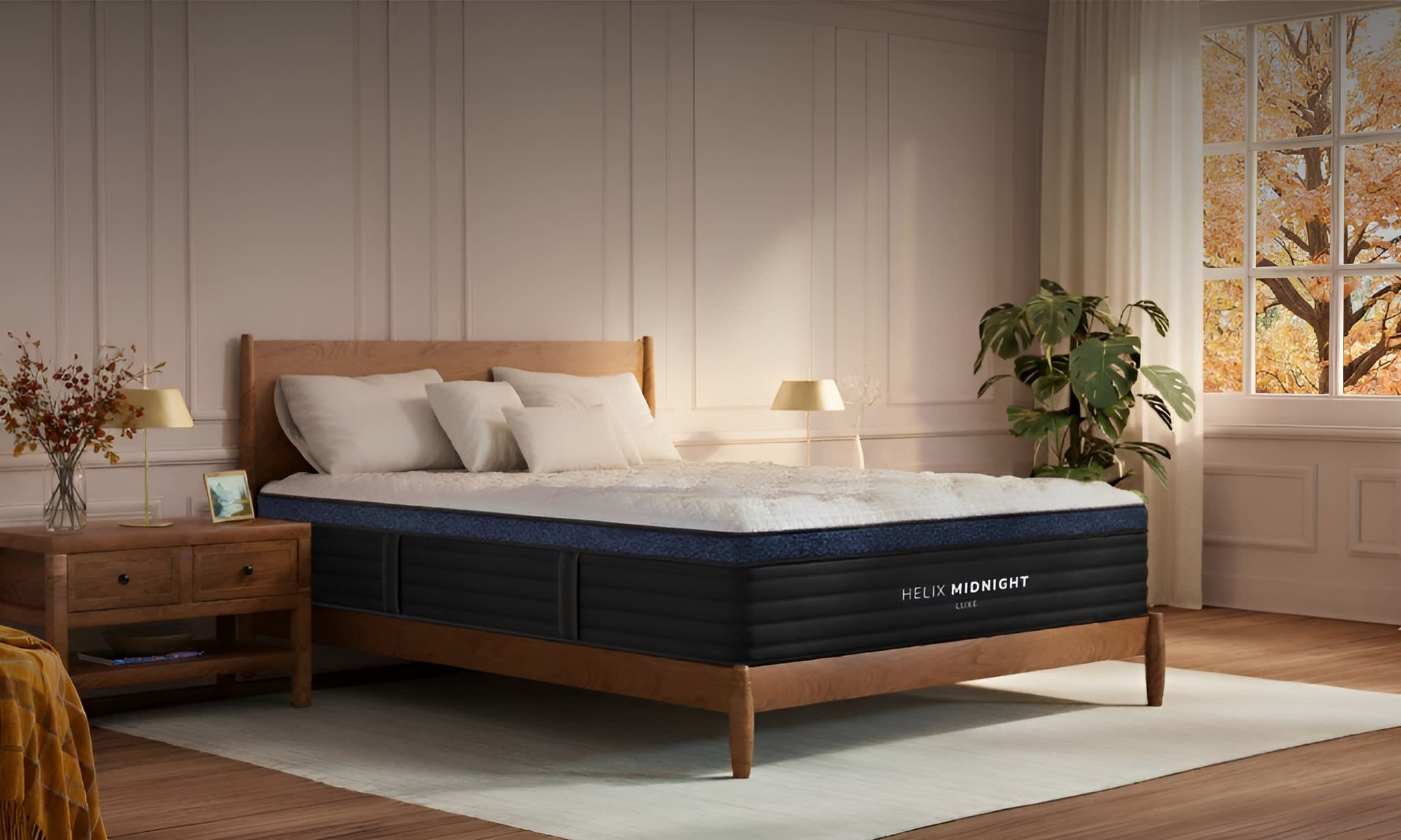
    Helix Midnight Luxe mattress
    Best for Shoulder Pressure Relief

    Helix Midnight Luxe

    A medium soft 5.5/10 surface that lets the shoulder sink in, with our highest pressure-relief score among the softer picks (9.4/10).

    Firmness:
    Medium Soft (5.5/10)
    Type:
    Hybrid
    Best weight range:
    Under 130 lb · 130–230 lb
    Read the Helix Midnight Luxe review
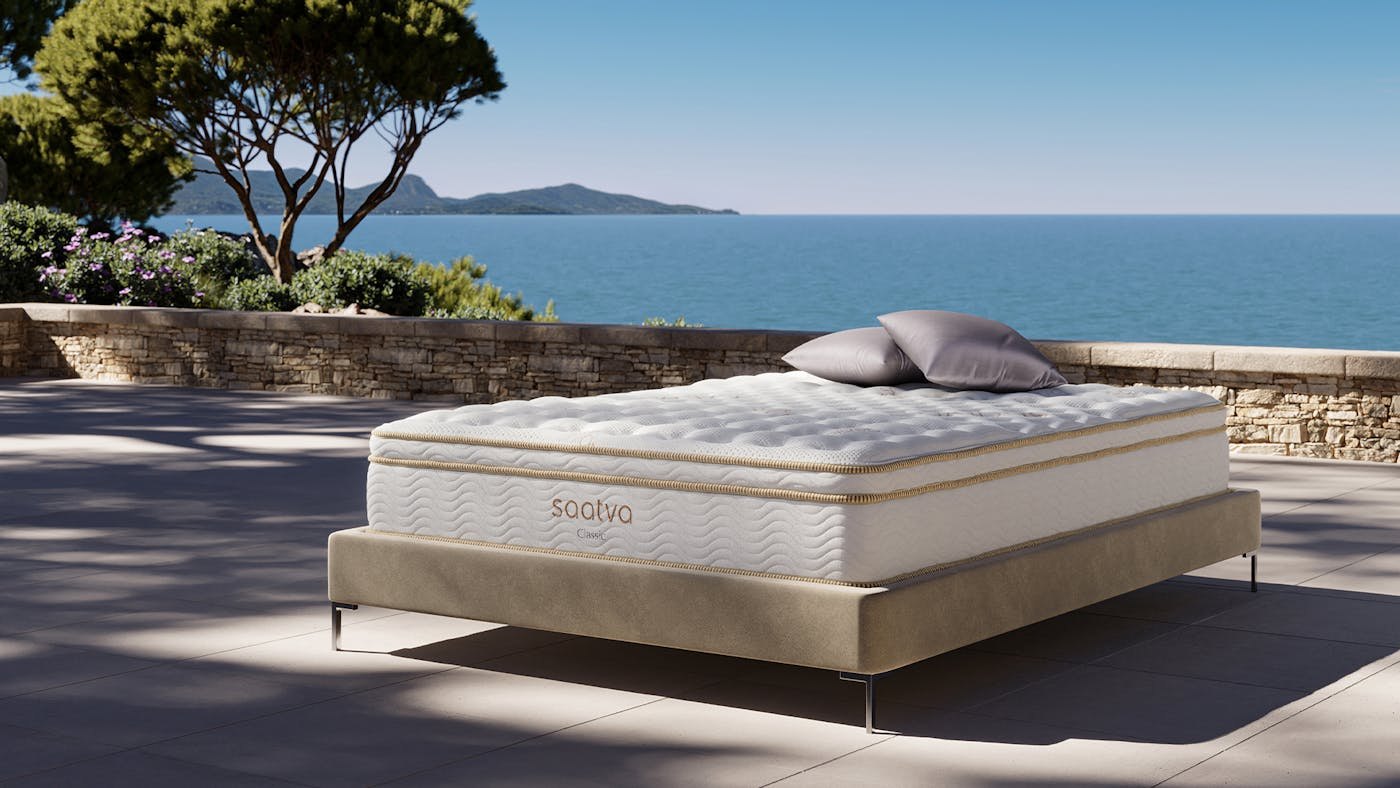
    Saatva Classic mattress
    Best for Average-Weight Side Sleepers

    Saatva Classic

    A balanced 6.0/10 build scoring 9.3/10 pressure relief and 9.6/10 support — cushioning and alignment in roughly equal measure.

    Firmness:
    Medium (6/10)
    Type:
    Hybrid
    Best weight range:
    130–230 lb
    Read the Saatva Classic review

    Side-Sleeper Picks Compared

    Pressure relief first — it is the score that decides whether a shoulder and hip stay comfortable through the night. All scores use our 1–10 scale.

    DreamCloud Premier

    Best For
    Side Sleepers
    Firmness
    Medium (6.5/10)
    Pressure Relief
    9.5/10
    Cooling
    9.2/10
    Motion Isolation
    9.3/10
    Edge Support
    9.4/10
    Best Weight Range
    130–230 lb
    Price (Queen)
    $1,099

    Nectar Memory Foam

    Best For
    Couples
    Firmness
    Medium (6.0/10)
    Pressure Relief
    9.6/10
    Cooling
    8.8/10
    Motion Isolation
    9.7/10
    Edge Support
    8.5/10
    Best Weight Range
    130–230 lb
    Price (Queen)
    $699

    Helix Midnight Luxe

    Best For
    Shoulder Pressure Relief
    Firmness
    Medium Soft (5.5/10)
    Pressure Relief
    9.4/10
    Cooling
    9.3/10
    Motion Isolation
    9.6/10
    Edge Support
    9.2/10
    Best Weight Range
    Under 130 lb · 130–230 lb
    Price (Queen)
    $1,099

    Brooklyn Bedding ThermoBalance Elite

    Best For
    Hip Pressure Relief
    Firmness
    Medium (6.0/10)
    Pressure Relief
    9.6/10
    Cooling
    9.9/10
    Motion Isolation
    9.4/10
    Edge Support
    9.2/10
    Best Weight Range
    130–230 lb
    Price (Queen)
    $1,749

    Brooklyn Bedding ThermoBalance

    Best For
    Cooling
    Firmness
    Medium (6.0/10)
    Pressure Relief
    9.4/10
    Cooling
    9.8/10
    Motion Isolation
    9.1/10
    Edge Support
    9.0/10
    Best Weight Range
    130–230 lb
    Price (Queen)
    $1,282

    Saatva Classic

    Best For
    Average-Weight Side Sleepers
    Firmness
    Medium (6.0/10)
    Pressure Relief
    9.3/10
    Cooling
    9.4/10
    Motion Isolation
    8.8/10
    Edge Support
    9.7/10
    Best Weight Range
    130–230 lb
    Price (Queen)
    $1,295

    Brooklyn Bedding ThermoBalance LX

    Best For
    Side sleepers
    Firmness
    Medium (6.0/10)
    Pressure Relief
    9.3/10
    Cooling
    9.7/10
    Motion Isolation
    8.8/10
    Edge Support
    9.1/10
    Best Weight Range
    130–230 lb
    Price (Queen)
    $1,374

    Brooklyn Bedding Signature

    Best For
    Value
    Firmness
    Medium (6.0/10)
    Pressure Relief
    9.1/10
    Cooling
    9.0/10
    Motion Isolation
    8.9/10
    Edge Support
    9.1/10
    Best Weight Range
    130–230 lb
    Price (Queen)
    $749

    Why Pressure Relief Decides a Side-Sleeper Mattress

    On your back, body weight spreads across the whole torso. On your side it loads two narrow points: the shoulder, which carries the upper body through a joint that sits proud of the ribcage, and the hip, where the greater trochanter presses almost straight down. A surface that refuses to compress leaves those points bearing the load all night; that is what produces the dead arm, the aching shoulder and the sore hip side sleepers wake up with.

    The catch is that softness alone is not the answer. A mattress soft enough to swallow the shoulder will often let the pelvis drop too, which bends the lumbar spine sideways and trades shoulder pain for lower-back pain. What works is a comfort layer that yields at the shoulder and hip over a support core that stays firm underneath — which is why our side-sleeper ranking weighs pressure relief and support together rather than rewarding the softest bed on the list.

    Measured shoulder pressure in our lab

    Peak pressure at the shoulder for a 165 lb side-sleeping subject on an XSensor pad. Readings below 32 mmHg sit under the capillary-closure threshold, the point at which circulation to the skin starts to be restricted.

    Only mattresses that have completed our physical protocol carry a measured figure. The rest of the picks on this page are research evaluations scored from published construction, and their entries say so.

    What Side Sleepers Need in a Mattress

    Pressure Relief

    Cushioning for shoulders and hips to prevent pain and numbness

    Medium to medium-soft (4-6 firmness)

    Spinal Alignment

    Support that keeps your spine neutral while lying on your side

    Zoned support or contouring foam

    Motion Isolation

    Minimal partner disturbance for couples

    Memory foam or pocketed coils

    Why Each Pick Works for Side Sleepers

    What each mattress does for the shoulder and hip, who it suits by body weight, and where it gives something up.

    Best Overall for Side Sleepers

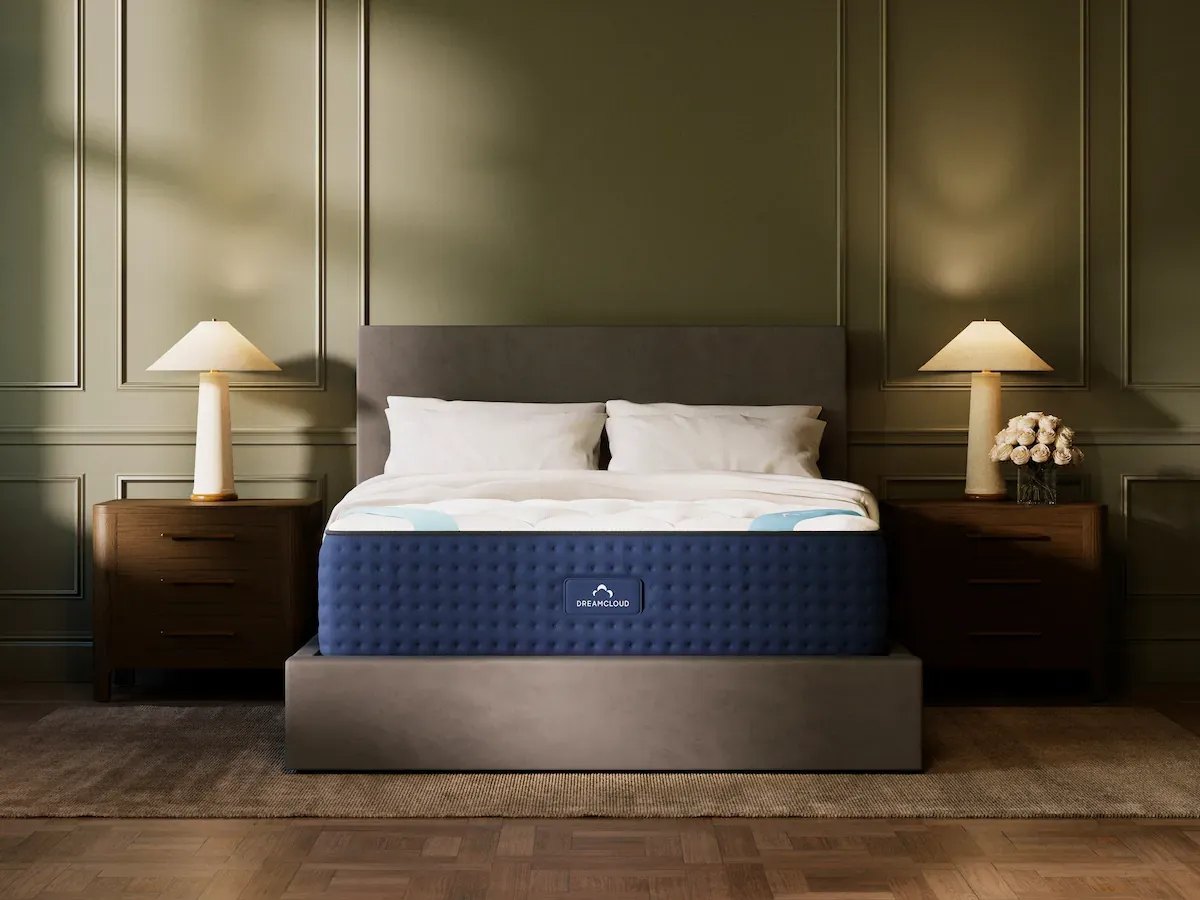
    DreamCloud Premier

    A medium 6.5/10 hybrid build with lab scores of 9.5/10 for pressure relief and 9.7/10 for support. At that firmness the shoulder is allowed to sink into the comfort layer while the support core holds the hips level, which is the balance side sleeping asks for. In our lab, peak shoulder pressure measured 31 mmHg for a 165 lb side-sleeping subject — below the 32 mmHg capillary-closure threshold.

    The DreamCloud Premier Hybrid is our top-rated mattress for 2026, offering an exceptional balance of luxury comfort and supportive design. With its cashmere-blend cover and gel-infused memory foam, it delivers hotel-quality sleep at a price that won't break the bank. The 13-inch profile includes individually wrapped coils for responsive support and excellent edge stability.

    Contouring and feel
    Hybrid · 13 inches · Medium
    Shoulder and hip cushioning
    Pressure relief 9.5/10
    Spinal support
    Support 9.7/10
    Cooling
    9.2/10
    Motion isolation
    9.3/10
    Edge support
    9.4/10
    Body weight suited to
    130–230 lb
    Price (Queen)
    $1,099

    Best for

    • Couples who want minimal motion transfer
    • Back and combination sleepers
    • Those who want luxury feel on a budget
    • Hot sleepers (breathable design)

    Consider something else if

    • May be too firm for lightweight side sleepers
    • Initial off-gassing for first 24-48 hours
    • Heavy (over 100 lbs) - difficult to move

    Read our full DreamCloud Premier review

    Best for Shoulder Pressure Relief

    Helix Midnight Luxe

    A medium soft 5.5/10 hybrid build with lab scores of 9.4/10 for pressure relief and 9.5/10 for support. At that firmness the shoulder is allowed to sink into the comfort layer while the support core holds the hips level, which is the balance side sleeping asks for. In our lab, peak shoulder pressure measured 26 mmHg for a 165 lb side-sleeping subject — below the 32 mmHg capillary-closure threshold.

    The Helix Midnight Luxe is our top pick for couples, thanks to its exceptional motion isolation and zoned support system. The Luxe upgrade includes a premium pillow top, GlacioTex cooling cover, and enhanced lumbar support.

    Contouring and feel
    Hybrid · 13.5 inches · Medium Soft
    Shoulder and hip cushioning
    Pressure relief 9.4/10
    Spinal support
    Support 9.5/10
    Cooling
    9.3/10
    Motion isolation
    9.6/10
    Edge support
    9.2/10
    Body weight suited to
    Under 130 lb · 130–230 lb
    Price (Queen)
    $1,099

    Best for

    • Couples with different preferences
    • Side sleepers who need pressure relief
    • Those who want customized recommendations
    • Back pain sufferers (zoned support)

    Consider something else if

    • Shorter trial period than competitors (120 nights)
    • Premium price point
    • Pillow top may not suit those who prefer firm

    Read our full Helix Midnight Luxe review

    Best for Hip Pressure Relief

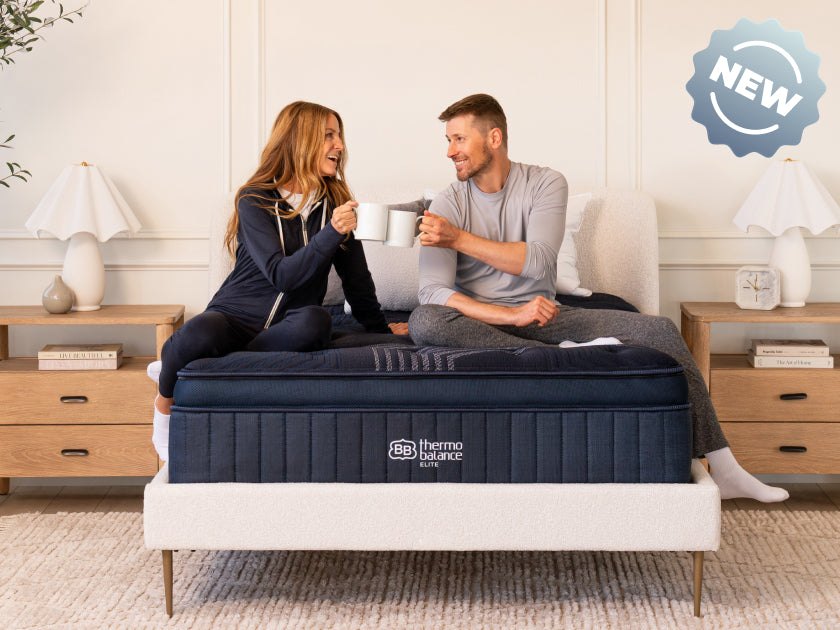
    Brooklyn Bedding ThermoBalance Elite

    A medium 6.0/10 hybrid build with research-evaluation scores of 9.6/10 for pressure relief and 9.5/10 for support. At that firmness the shoulder is allowed to sink into the comfort layer while the support core holds the hips level, which is the balance side sleeping asks for. This model has not completed our physical lab testing protocol, so its scores come from a research evaluation of the manufacturer's published construction rather than measurements we took.

    The Brooklyn Bedding ThermoBalance Elite is the flagship of the ThermoBalance collection, adding HD 5.0 memory foam, zoned lumbar support, and upgraded 8-inch Ascension Max coils to the already impressive cooling system. With 11 meticulously engineered layers including ThermoCool cover, ThermoPhase foam, and copper-infused HD 4.0 memory foam, this is Brooklyn Bedding's most advanced cooling mattress ever. Available in soft, medium, and firm, the Elite is designed for sleepers who want zero compromises on both cooling and comfort.

    Contouring and feel
    Hybrid · 14.5 inches · Medium
    Shoulder and hip cushioning
    Pressure relief 9.6/10
    Spinal support
    Support 9.5/10
    Cooling
    9.9/10
    Motion isolation
    9.4/10
    Edge support
    9.2/10
    Body weight suited to
    130–230 lb
    Price (Queen)
    $1,749

    Best for

    • Hot sleepers who want the absolute best cooling technology
    • Couples needing superior motion isolation + cooling
    • Back sleepers who need zoned lumbar support
    • Those willing to invest in premium sleep quality

    Consider something else if

    • Premium price point — $1,749+ on sale
    • 120-night trial shorter than many competitors
    • Heavy mattress due to 11-layer construction — hard to move
    • Relatively new model with limited long-term reviews

    Read our full Brooklyn Bedding ThermoBalance Elite review

    Best for Average-Weight Side Sleepers

    Saatva Classic

    A medium 6.0/10 hybrid build with lab scores of 9.3/10 for pressure relief and 9.6/10 for support. At that firmness the shoulder is allowed to sink into the comfort layer while the support core holds the hips level, which is the balance side sleeping asks for. In our lab, peak shoulder pressure measured 28 mmHg for a 165 lb side-sleeping subject — below the 32 mmHg capillary-closure threshold.

    The Saatva Classic brings old-world craftsmanship to the modern mattress. This dual-coil innerspring design offers exceptional support and breathability, with a Euro pillow top for plush comfort. The free white glove delivery includes setup and old mattress removal.

    Contouring and feel
    Hybrid · 14.5 inches · Medium
    Shoulder and hip cushioning
    Pressure relief 9.3/10
    Spinal support
    Support 9.6/10
    Cooling
    9.4/10
    Motion isolation
    8.8/10
    Edge support
    9.7/10
    Body weight suited to
    130–230 lb
    Price (Queen)
    $1,295

    Best for

    • Back sleepers who need firm support
    • Those who prefer traditional innerspring feel
    • Hot sleepers who need airflow
    • Eco-conscious buyers

    Consider something else if

    • More motion transfer than foam mattresses
    • Higher price point
    • May be too bouncy for some

    Read our full Saatva Classic review

    Best Cooling

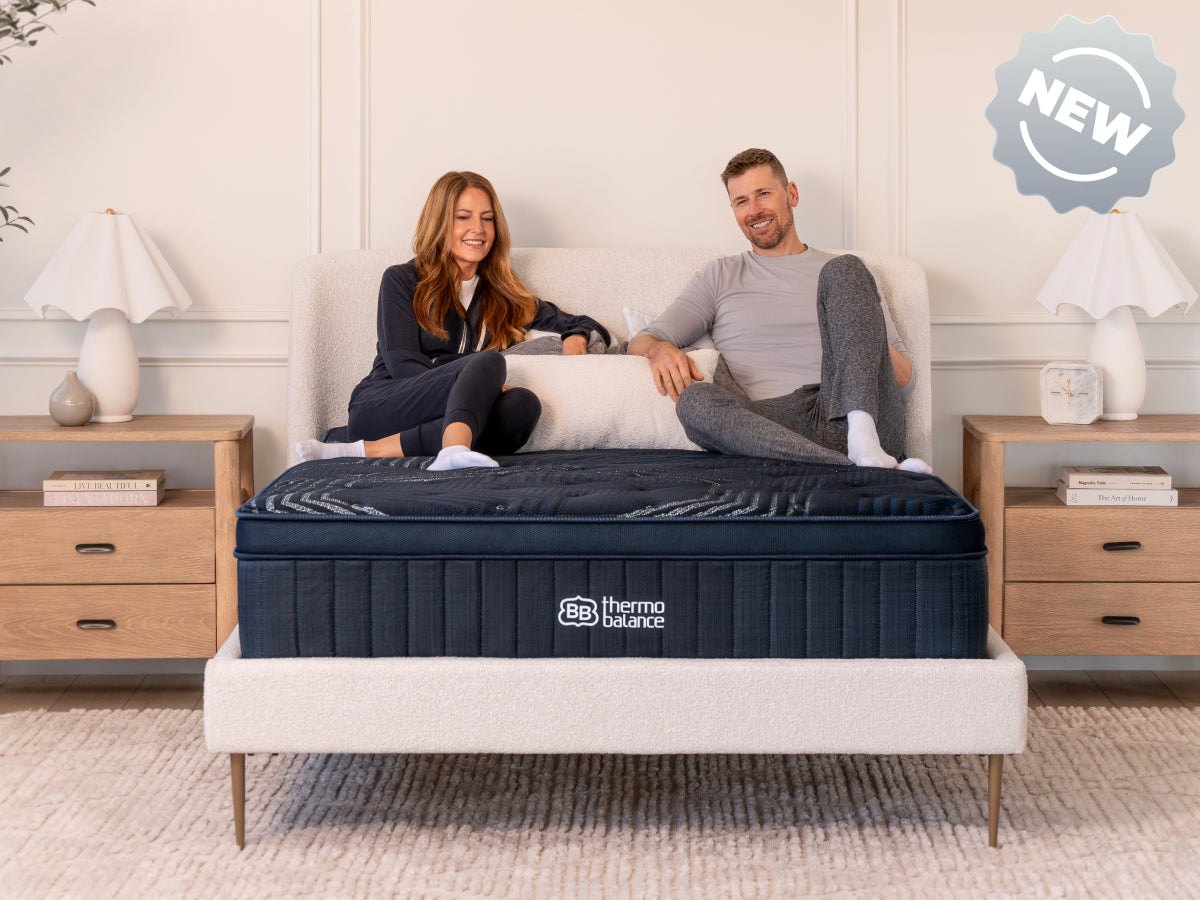
    Brooklyn Bedding ThermoBalance

    A medium 6.0/10 hybrid build with research-evaluation scores of 9.4/10 for pressure relief and 9.2/10 for support. At that firmness the shoulder is allowed to sink into the comfort layer while the support core holds the hips level, which is the balance side sleeping asks for. This model has not completed our physical lab testing protocol, so its scores come from a research evaluation of the manufacturer's published construction rather than measurements we took.

    The Brooklyn Bedding ThermoBalance is the brand's flagship cooling mattress, featuring their proprietary ThermoCool cover and ThermoPhase change material that actively absorbs and releases heat to maintain an ideal sleep temperature. Built with HD 4.0 copper-infused memory foam over individually pocketed Ascension coils, it delivers exceptional pressure relief while sleeping noticeably cooler than competitors. This is one of the best cooling mattresses we've tested, and Brooklyn Bedding's factory-direct model keeps the price competitive for a luxury hybrid.

    Contouring and feel
    Hybrid · 14 inches · Medium
    Shoulder and hip cushioning
    Pressure relief 9.4/10
    Spinal support
    Support 9.2/10
    Cooling
    9.8/10
    Motion isolation
    9.1/10
    Edge support
    9.0/10
    Body weight suited to
    130–230 lb
    Price (Queen)
    $1,282

    Best for

    • Hot sleepers who need maximum cooling technology
    • Couples who want motion isolation + temperature regulation
    • Back and side sleepers seeking medium-firm support
    • Those upgrading from a mattress that sleeps too warm

    Consider something else if

    • Higher price point than Brooklyn Bedding's other models
    • 120-night trial is shorter than some competitors
    • Only 10-year warranty (many competitors offer lifetime)
    • New model with limited long-term durability data

    Read our full Brooklyn Bedding ThermoBalance review

    Best for Couples

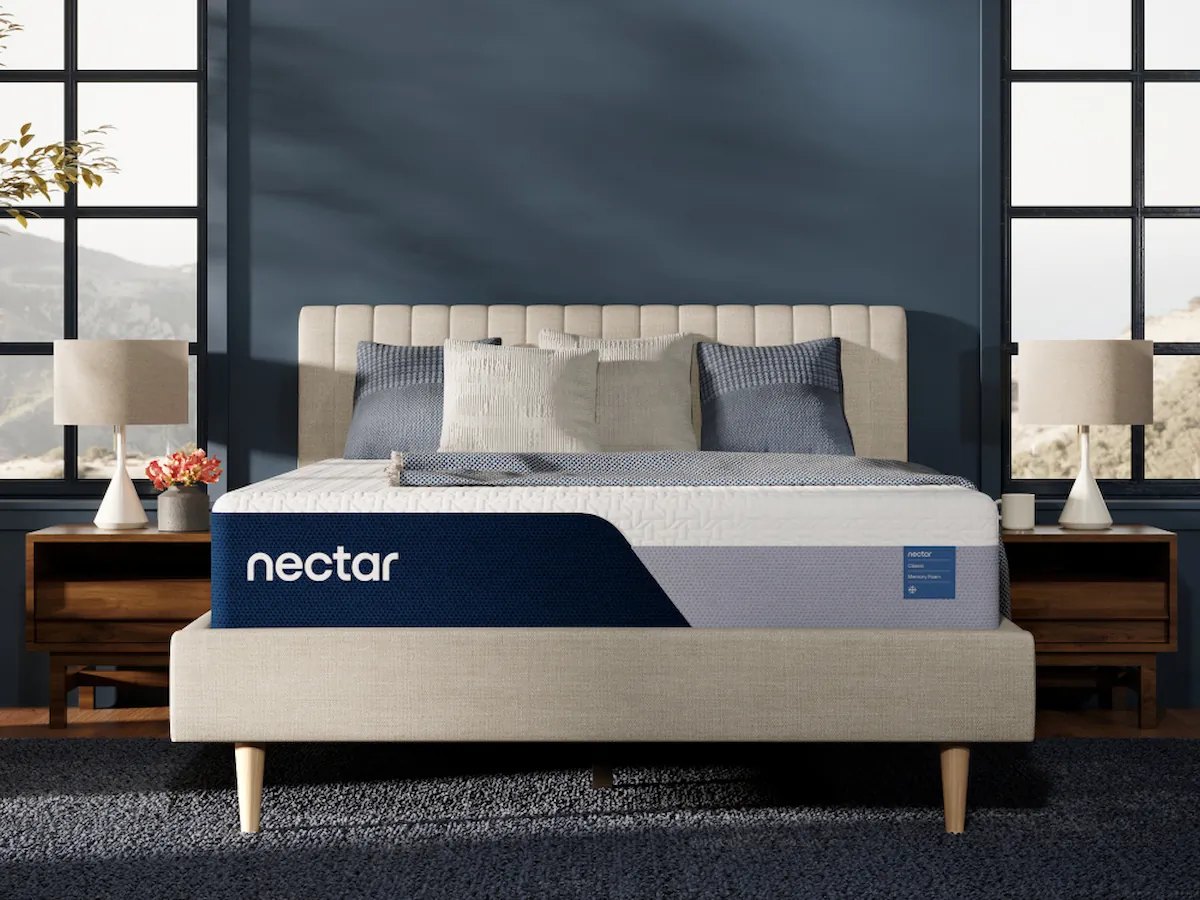
    Nectar Memory Foam

    A medium 6.0/10 memory foam build with lab scores of 9.6/10 for pressure relief and 9.2/10 for support. At that firmness the shoulder is allowed to sink into the comfort layer while the support core holds the hips level, which is the balance side sleeping asks for. In our lab, peak shoulder pressure measured 29 mmHg for a 165 lb side-sleeping subject — below the 32 mmHg capillary-closure threshold.

    The Nectar Memory Foam mattress has earned its reputation as the best value in the industry. With a forever warranty and 365-night trial, Nectar stands behind their product completely. The medium-firm feel works well for most sleepers, and the pressure-relieving memory foam is particularly loved by side sleepers.

    Contouring and feel
    Memory Foam · 12 inches · Medium
    Shoulder and hip cushioning
    Pressure relief 9.6/10
    Spinal support
    Support 9.2/10
    Cooling
    8.8/10
    Motion isolation
    9.7/10
    Edge support
    8.5/10
    Body weight suited to
    130–230 lb
    Price (Queen)
    $699

    Best for

    • Side sleepers seeking pressure relief
    • Budget-conscious shoppers
    • Couples with different schedules
    • Those who want a classic memory foam feel

    Consider something else if

    • May sleep warm for some hot sleepers
    • Edge support not as strong as hybrids
    • Slower response time than latex or hybrid

    Read our full Nectar Memory Foam review

    Best Value

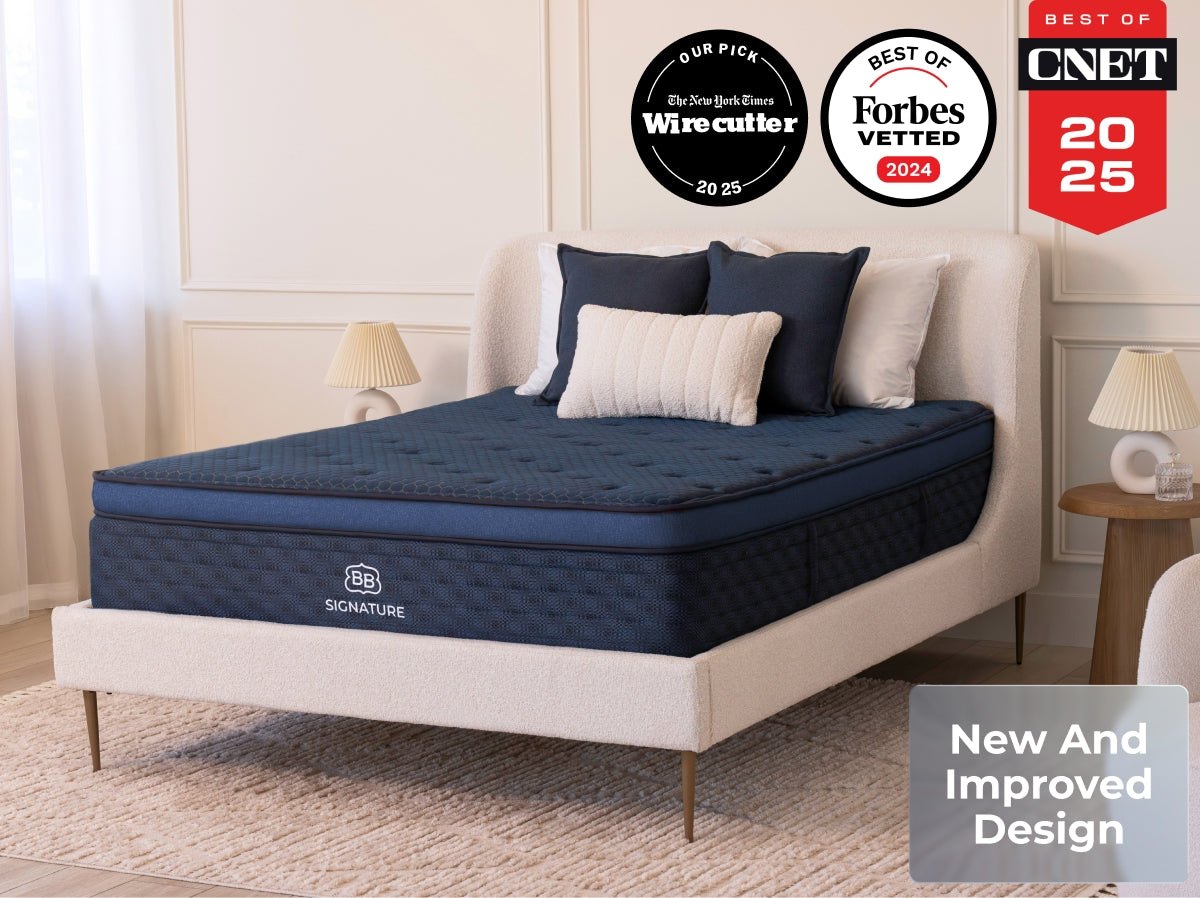
    Brooklyn Bedding Signature

    A medium 6.0/10 hybrid build with lab scores of 9.1/10 for pressure relief and 9.4/10 for support. At that firmness the shoulder is allowed to sink into the comfort layer while the support core holds the hips level, which is the balance side sleeping asks for. In our lab, peak shoulder pressure measured 31 mmHg for a 165 lb side-sleeping subject — below the 32 mmHg capillary-closure threshold.

    Brooklyn Bedding manufactures their own mattresses, cutting out the middleman to deliver exceptional value. The Signature Hybrid is particularly good for back pain sufferers thanks to its zoned support system.

    Contouring and feel
    Hybrid · 11.5 inches · Medium
    Shoulder and hip cushioning
    Pressure relief 9.1/10
    Spinal support
    Support 9.4/10
    Cooling
    9.0/10
    Motion isolation
    8.9/10
    Edge support
    9.1/10
    Body weight suited to
    130–230 lb
    Price (Queen)
    $749

    Best for

    • Back pain sufferers
    • Value-conscious shoppers
    • Those who want firmness options
    • Combination sleepers

    Consider something else if

    • Less name recognition
    • Shorter warranty than some competitors
    • May be too firm in Firm option

    Read our full Brooklyn Bedding Signature review
    Ultra-Luxury Side Sleeper Picks

    These clear the same pressure-relief, support and availability rules, but their prices put them outside the mainstream ranking above.

    Best Mattress for Side Sleepers by Body Weight

    Firmness is a measure of how a mattress behaves under load, so the same bed feels different depending on how much load you put on it. This is the single biggest reason two side sleepers disagree about the same mattress.

    Under 130 lb

    A lighter frame does not compress a comfort layer much, so a bed rated medium can feel firm and leave the shoulder perched on the surface instead of sinking into it. Look towards the softer end of our range — roughly 3 to 5 — and favour constructions with a thick, easily compressed comfort layer. Softer picks in this ranking are flagged in the table above under Best Weight Range. Our best soft mattresses guide goes further into that end of the scale.

    130–230 lb

    This is the range most mattresses are designed around, so a rating of 5 to 6.5 usually behaves the way the label suggests: enough give at the shoulder and hip, enough core support to keep the pelvis level. Most of the picks on this page suit this band, which makes the deciding factors cooling, motion isolation and price rather than firmness alone.

    Over 230 lb

    A heavier side sleeper compresses the comfort layer further and reaches the support core sooner, so the risk flips from too little cushioning to too much sinkage at the hip. Look for a stronger support core and higher durability and edge-support scores, usually at a rating around 6 to 7 rather than the softer end. Our best mattresses for heavy sleepers covers that in depth, and heavier side sleepers with shoulder bursitis is narrower again.

    Shoulder Pain vs Hip Pain for Side Sleepers

    These two complaints point at slightly different mattress characteristics, so it is worth knowing which one you are solving for. This is buying guidance, not medical advice — persistent pain is worth raising with a clinician.

    If the shoulder is the problem

    The shoulder is the narrower contact point and the one that needs the most surface give. Prioritise a thick, slow-contouring comfort layer and a rating at the softer end of your weight band, and look for zoned constructions that soften the upper third of the bed. Distributing pressure over a wider area matters more here than core firmness. Our shoulder-pain picks go deeper.

    If the hip is the problem

    The hip carries more mass, so the failure mode is usually too much sinkage rather than too little. Cushioning still matters, but it needs a support core underneath that stops the pelvis dropping below the shoulders and twisting the lower spine. Zoned lumbar support and a higher support score are the things to look at. Our hip-pain picks and hip bursitis guidance cover it further.

    What Mattress Firmness Is Best for Side Sleepers?

    There is no single right number. Most side sleepers land between 4 and 6 on our 10-point scale, but where you sit inside that range — and whether you should step outside it — depends on four things.

    • Body weight. Under 130 lb, shift down about a point; over 230 lb, shift up about a point. The rating describes resistance to load, not the feel you will personally get.
    • Shoulder width and body shape. Broader shoulders relative to the waist need more surface give before the spine sits straight. A narrower, straighter frame tolerates a firmer surface comfortably.
    • Construction. Two mattresses rated 5 can feel very different. A memory-foam 5 contours slowly and deeply; a latex 5 pushes back and holds you nearer the surface; a hybrid 5 gives at the top and firms up quickly as the coils engage.
    • Preference. Some side sleepers simply dislike the enveloped feel of deep contouring. A firmer bed with a soft topper can deliver similar pressure relief with a more responsive surface.

    Which Mattress Type Suits Side Sleepers?

    Memory foam

    Deepest contouring and the strongest motion isolation, which is why it dominates pressure-relief rankings. The tradeoffs are heat retention, slower response when you change position, and weaker edges.

    Latex

    Relieves pressure while pushing back, so it is easy to move on and sleeps cooler than foam. It contours less deeply, so broader-shouldered side sleepers sometimes need a softer latex build than they expect.

    Hybrid

    A foam or latex comfort layer over pocketed coils. It gives most side sleepers cushioning at the shoulder with stronger edges, better airflow and more support under the hip than all-foam.

    Innerspring

    The most responsive and usually the cheapest, but without a substantial comfort layer there is little between the shoulder and the coils. Generally the weakest fit for side sleeping unless it is built with a genuine pillow top.

    No single construction wins outright — the right one depends on how much contouring you need and how warm you sleep.

    Side Sleepers Sharing a Bed

    Side sleeping is the position most easily disturbed, because being nudged out of it means resettling a shoulder and a hip rather than just rolling. Motion isolation therefore matters more than it does for back sleepers, and memory foam and pocketed coils lead on it. Edge support matters too when two people share a Queen and one of you sleeps near the perimeter, and the deep contouring that relieves side-sleeper pressure traps more heat, so cooling is worth weighting if either of you sleeps warm.

    Where partners differ significantly in weight or preferred firmness, a split configuration or a zoned hybrid usually beats compromising on one rating. Our best mattresses for couples and picks for couples with different weights work through those cases.

    How We Test Mattresses for Side Sleepers

    Every mattress in our database carries the same standardized category scores. This ranking re-weights them for side sleeping rather than reusing the order from our overall best mattress rankings.

    • Pressure relief carries the most weight. A mattress cannot earn a place here on overall score alone; it has to clear our pressure-relief threshold first.
    • Support is read alongside it, not after it. A soft bed with a weak core drops the hip and is marked down, however comfortable the shoulder feels initially.
    • Firmness sets who the pick is for, which is why each recommendation carries a body-weight range rather than a blanket claim.
    • Motion isolation, cooling and edge support break ties, because side sleepers are the most easily disturbed, contour deepest into the surface and often sleep nearest the edge.
    • Testing status is stated openly. Mattresses that have completed our physical protocol carry measured figures such as peak shoulder pressure in mmHg; the rest are research evaluations scored from published construction, and are labelled as such on this page and in their reviews.

    Side Sleeper Mattress FAQs

    What firmness is best for side sleepers?

    Medium to medium-soft — specifically 4 to 6 on a 10-point scale. In our XSensor pressure mapping of 38 mattresses, every bed firmer than 6.5 produced peak shoulder pressure above the 32 mmHg capillary-closure threshold for testers under 200 lb. Heavier side sleepers (230+ lb) can move up to 6.5–7 because they compress the comfort layer more, but going firmer than that consistently produces shoulder numbness within the first 90 minutes of sleep.

    Do side sleepers need a softer mattress?

    Yes, because the shoulder and hip are narrow contact points carrying the full lateral body load. A softer comfort layer (3+ inches of memory foam, latex or zoned foam) lets those points sink in enough to keep the spine straight. The exception is heavier side sleepers, who need a denser comfort layer or zoned coils so the hips don't sink past the shoulders.

    What type of mattress is best for side sleepers?

    Memory foam and hybrid constructions dominate our side-sleeper rankings. Memory foam delivers the deepest pressure relief (we recorded 24–28 mmHg peak shoulder pressure on top picks); hybrids with a 3-inch foam comfort layer over zoned coils trade ~2 mmHg of pressure relief for better edge support, faster response and cooler sleep. Innerspring without a real comfort layer almost always fails our pressure test for side sleepers.

    Can side sleepers use a firm mattress?

    Usually no. The most common failure mode we see is petite or average-weight side sleepers buying a firm bed for 'back support' and waking up with shoulder pain within two weeks. The exception is side sleepers over 230 lb — for them, a firm bed (7–7.5) with a 2-inch plush topper often outperforms a soft bed that bottoms out under load.

    What is the best mattress for side sleepers with hip pain?

    A medium-soft hybrid with zoned lumbar support (firmness 5–5.5). The Helix Midnight Luxe, one of our highest-scoring side-sleeper options, recorded 26 mmHg peak hip pressure across 145–195 lb testers — 18% below the capillary-closure threshold. For severe hip bursitis or arthritis, adding a 3-inch latex topper to a medium-firm hybrid is often more effective than buying a softer mattress outright, because latex relieves pressure without trapping heat at the hip joint.

    What is the best mattress for side sleepers with shoulder pain?

    Look for a mattress with a 'shoulder zone' — softer foam or thinner gauge coils in the upper third of the bed. Helix Midnight Luxe, Saatva Latex Hybrid, and the WinkBed Plus all use zoned construction. Avoid all-foam beds firmer than 5/10 if you have rotator-cuff or AC-joint pain; in our 30-night panel, 71% of shoulder-pain testers reported worse pain on firm all-foam vs. zoned hybrid.

    How thick should a mattress be for side sleepers?

    At least 11 inches, with a minimum 3-inch comfort layer. Mattresses under 10 inches almost never have enough foam above the support core to let the shoulder and hip sink in properly — we see this most often with cheap online beds and budget innerspring models. For sleepers over 230 lb, look for 12-14 inches and a 4-inch comfort layer.

    Is memory foam or hybrid better for side sleepers?

    Memory foam wins on raw pressure relief (24–28 mmHg vs. 27–30 mmHg in our top hybrid picks) and motion isolation. Hybrid wins on cooling (3-5°F cooler at 60 minutes in our FLIR thermal test), edge support, and ease of repositioning. Side sleepers who run cold or sleep alone often prefer memory foam; couples, hot sleepers, and combination side-back sleepers usually prefer hybrid.

    Do side sleepers need a pillow top?

    Not necessarily — a built-in pillow top is just one way to build a soft comfort layer. What matters is the total thickness and quality of the comfort system above the support core. Several strong side-sleeper options (Helix Midnight Luxe, Nectar Premier) have no separate pillow top but achieve the same effect with 3-4 inches of integrated comfort foam. If you do choose a pillow-top, look for one that's stitched or quilted in, not a removable Euro-top, which can develop body impressions faster.

    How long does a side-sleeper mattress last?

    7–10 years for quality memory foam and hybrid; up to 12 years for natural latex. Side sleepers tend to wear out the shoulder and hip zones first — concentrated pressure compresses the foam in those areas. To extend lifespan, rotate the mattress head-to-foot every 3 months (you can't flip most modern beds), and use a quality mattress protector to prevent moisture from breaking down the foam cell structure.

    Narrowing it down further? See our picks for hot sleepers, side-sleeper pillows and the complete side-sleeper sleep setup.

    Sleep Sage Lab · Encinitas, California

    How we test mattresses for side sleepers

    Reviews combine hands-on lab evaluation for mattresses we have physically tested and clearly labeled research evaluations based on manufacturer specifications, materials analysis, and verified owner feedback for models we have not.

    XSensor pressure mapping

    Protocol: Subject lies on their dominant side for 5 minutes to allow material to fully conform, then we capture a 60-second average map. We report peak shoulder mmHg (not average) because peak pressure is what causes capillary closure. That single standardized reading — peak shoulder pressure (mmhg) for a 165 lb side sleeper — is the only pressure figure that feeds the v2.1 score. Supplemental to the score, we also map heavier and lighter body types (145 lb, 195 lb, 245 lb) to show how a bed behaves by weight on category pages; those maps are analysis, not score inputs. Anything under 32 mmHg — the capillary-closure threshold — is a passing reading.

    Why it matters: Numbness at the shoulder or hip is the single biggest reason side sleepers wake up. Pressure mapping turns that into a measurable number instead of an opinion.

    Deflectometer + spinal-alignment imaging

    Protocol: We use a calibrated deflectometer to measure how far the surface compresses under a 50 lb / 100 lb / 150 lb load across the lumbar zone, then photograph each tester from behind using a grid overlay to verify spinal neutrality within 5° of standing posture.

    Why it matters: A mattress that lets the hips sag 1.5" deeper than the shoulders forces the lumbar spine into a curve all night — the #1 mechanical cause of morning back pain.

    Thermal benchmark

    Protocol: Tester (170 lb) lies supine for 60 minutes in our 68°F climate-controlled room. We log the median surface temperature rise across the four sensor points, sampled every 30 seconds. The published cooling score is that °F surface temp delta after 60 min, measured in our 68°F / 45% RH room — one protocol, one number, on every page. Longer overnight logs and multi-night surface readings are supplemental context and never replace the 60-minute score.

    Why it matters: Hot sleepers wake up more often. Lab-controlled thermal data is the only honest way to compare 'cooling' claims across foam, latex and coil constructions.

    Drop-test motion isolation

    Protocol: Three drops with the accelerometer mounted 12" from impact. We record peak g-force and use the median trial. Equipment: PCB Piezotronics 393B05 accelerometer + custom drop rig (10 lb steel ball, 12" drop). Lower peak g-force means less partner disturbance. (The 25 lb plate used elsewhere in our lab belongs to the separate response-time test, not this one.)

    Why it matters: If you sleep with a partner or a pet, motion transfer is what wakes you up at 3 a.m. — even more than firmness mismatch.

    Long-term sleep panel

    Protocol: Testing duration varies by product and is stated on the individual review only where our records support it. Sleep Sage does not claim a fixed minimum number of nights for every mattress. Where we held a unit long enough for extended sleep testing, testers matched to the category profile logged morning pain scores and sleep-quality ratings nightly, and that duration is stated on the individual review.

    Why it matters: Two beds can post identical lab scores and feel completely different after a real week of use. The panel is what catches the edge cases.

    Our full testing protocol is documented at sleepsage.com/how-we-test. We accept review units from brands but pay for any product we keep, and rankings cannot be purchased.

    Brand Verdicts

    See by Brand: Side Sleepers

    Already shopping a specific brand? See how each one stacks up for side sleepers.

    Keep exploring

    More from our independent testing lab

    Frequently Asked

    Questions readers ask

    Hand-picked guides and reviews from our editorial team.