Recovery instructions are individual. Follow your surgeon or care team's guidance on sleep position, bending, transfers, and adjustable-base use; this guide is limited to mattress-shopping considerations.
Quick picks
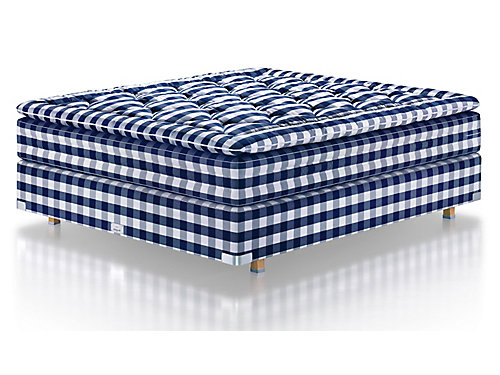
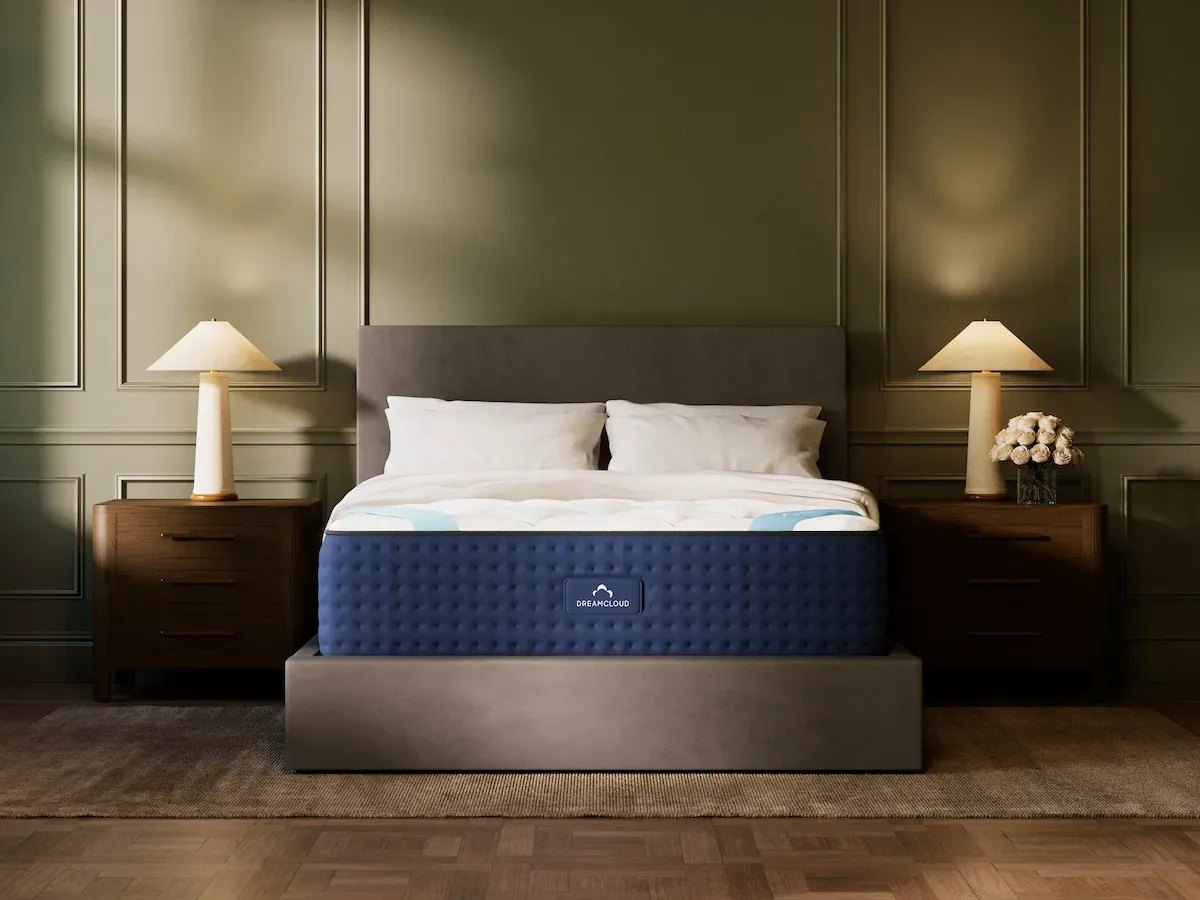
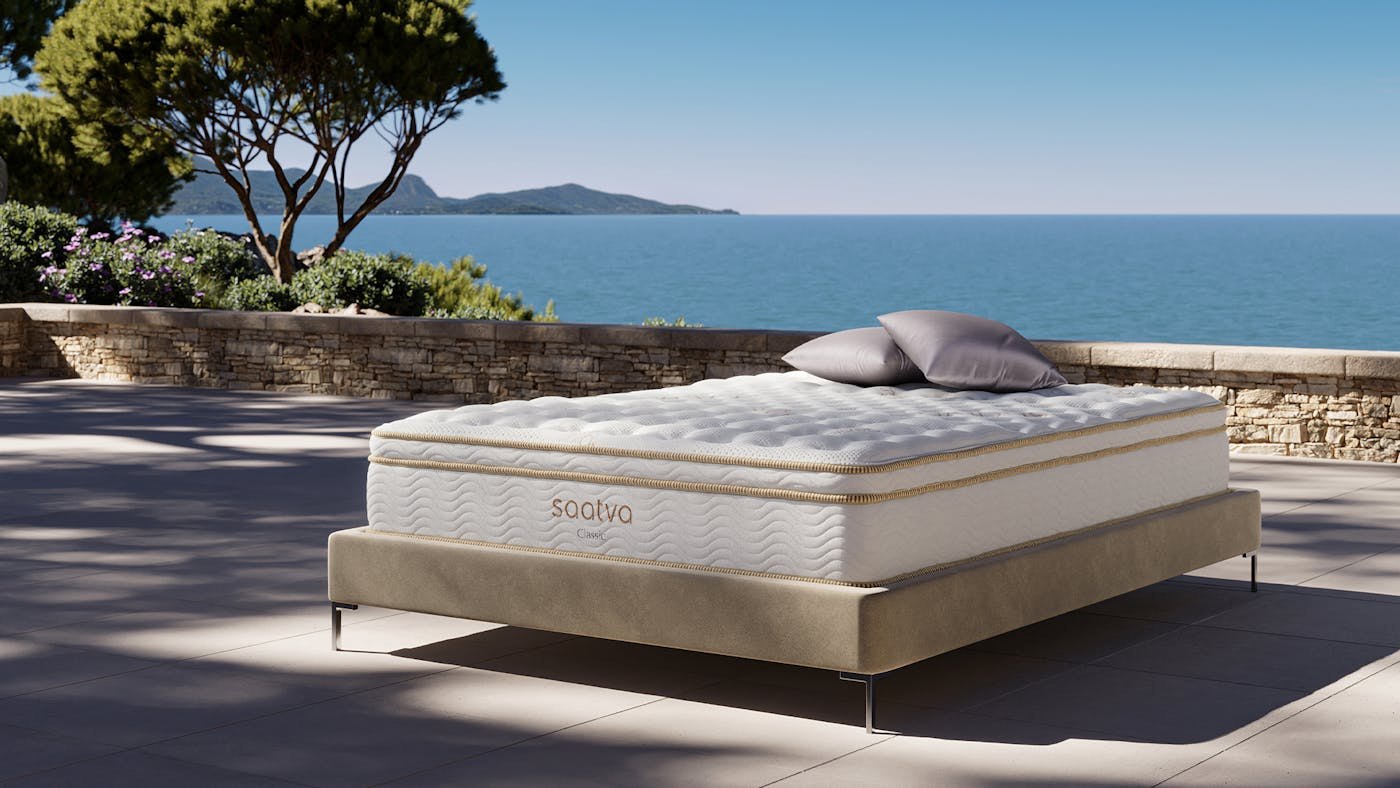
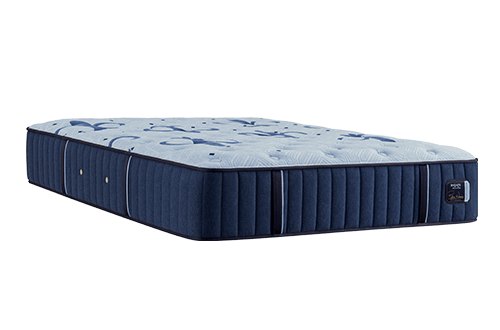
Ranked mattresses for mattress after spinal fusion
Needs vary by symptoms, sleep position, body weight, mobility, and personal comfort. These factors are useful starting points rather than medical prescriptions.
Getting in and out
A stable perimeter and appropriate total bed height may make transfers feel more controlled.
Pressure relief
Moderate cushioning can reduce concentrated pressure without making movement unnecessarily difficult.
Repositioning
Responsive materials can require less effort to roll or sit up than slow, deeply conforming foam.
Adjustable bases
Use one only if your care team permits the position and the mattress manufacturer confirms compatibility.
Sleeping-position and body-weight considerations
Follow post-operative instructions
Do not use a general mattress guide to override restrictions from your surgeon, physical therapist, or care team.
Side sleeping
Look for enough surface cushioning for the shoulder and hip while keeping the torso supported. A pillow between the knees may feel more comfortable for some sleepers.
Back sleeping
A stable, gently conforming surface may help maintain a neutral-feeling position. A pillow under the knees can change how the lower back rests.
Body weight
The same mattress feels softer to a heavier sleeper and firmer to a lighter sleeper. Treat firmness numbers as a comparison tool, not a universal prescription.
Firmness and mattress type
Firmness is personal
The firmest mattress is not automatically the most supportive. Too little cushioning can create pressure points, while excessive sink can make movement harder.
Responsive hybrids and latex
These constructions often make changing position easier and can provide a steadier perimeter. Foam may offer deeper contouring but can feel slower to move across.
Adjustable bases
An adjustable base changes position, not mattress support. Confirm compatibility and discuss positioning restrictions with a clinician when relevant.
Our rankings
This existing shortlist is presented for comparison, not as a clinically validated or laboratory-measured ranking. Compare the construction, advertised feel and supplier terms for each option. Numeric ratings are withheld unless recorded laboratory evidence is available; we do not create condition-specific lab measurements.
When should I replace my mattress after spinal fusion?
Ask your care team before changing the sleep surface during recovery. If replacement is appropriate, compare edge stability, height, responsiveness and return policies.
Is an adjustable bed safe after spinal fusion?
Only your surgeon or care team can answer for your procedure and stage of recovery. Confirm both medical guidance and mattress compatibility.
Is a firm mattress always better after surgery?
No universal firmness is best. Very firm surfaces may create pressure points, while very soft surfaces can make movement harder.