Updated September 2026

Best Cooling Mattresses of 2026

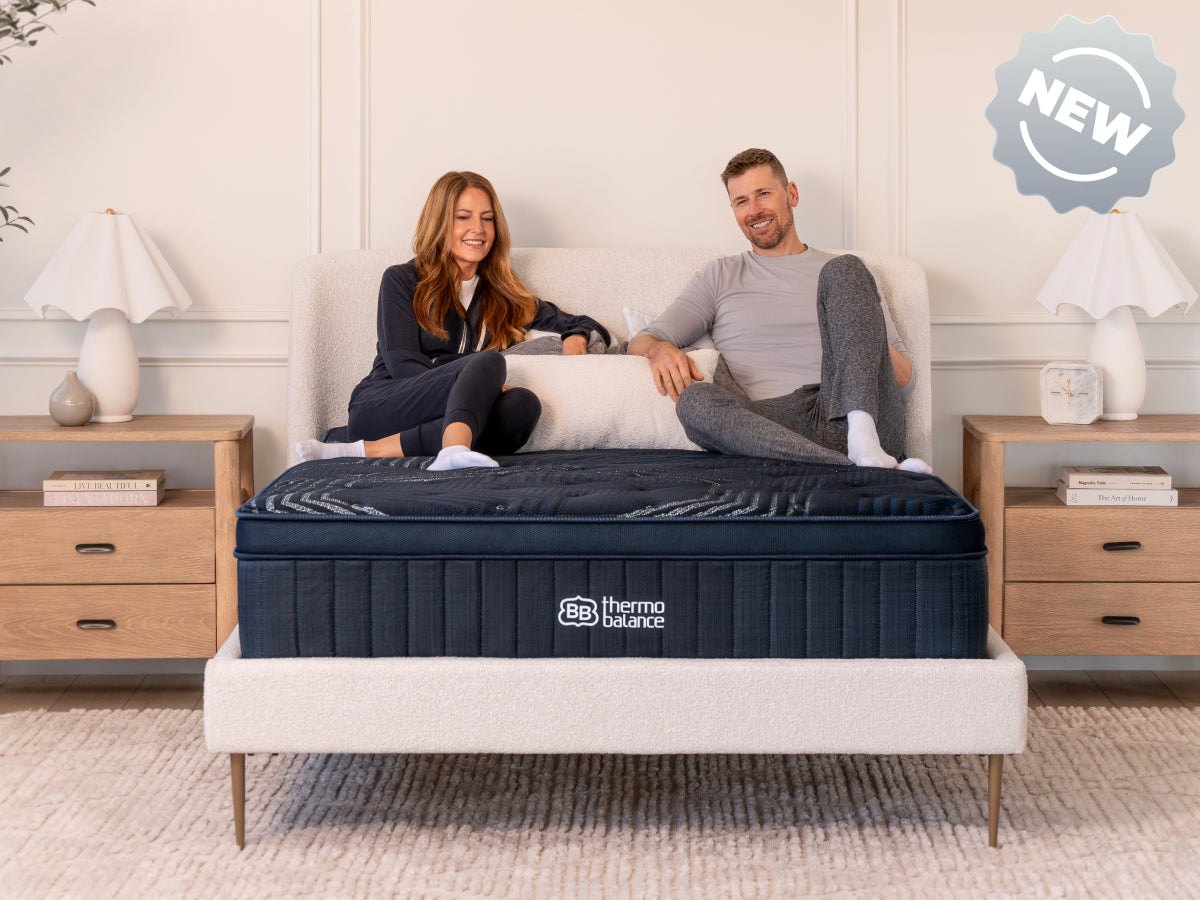
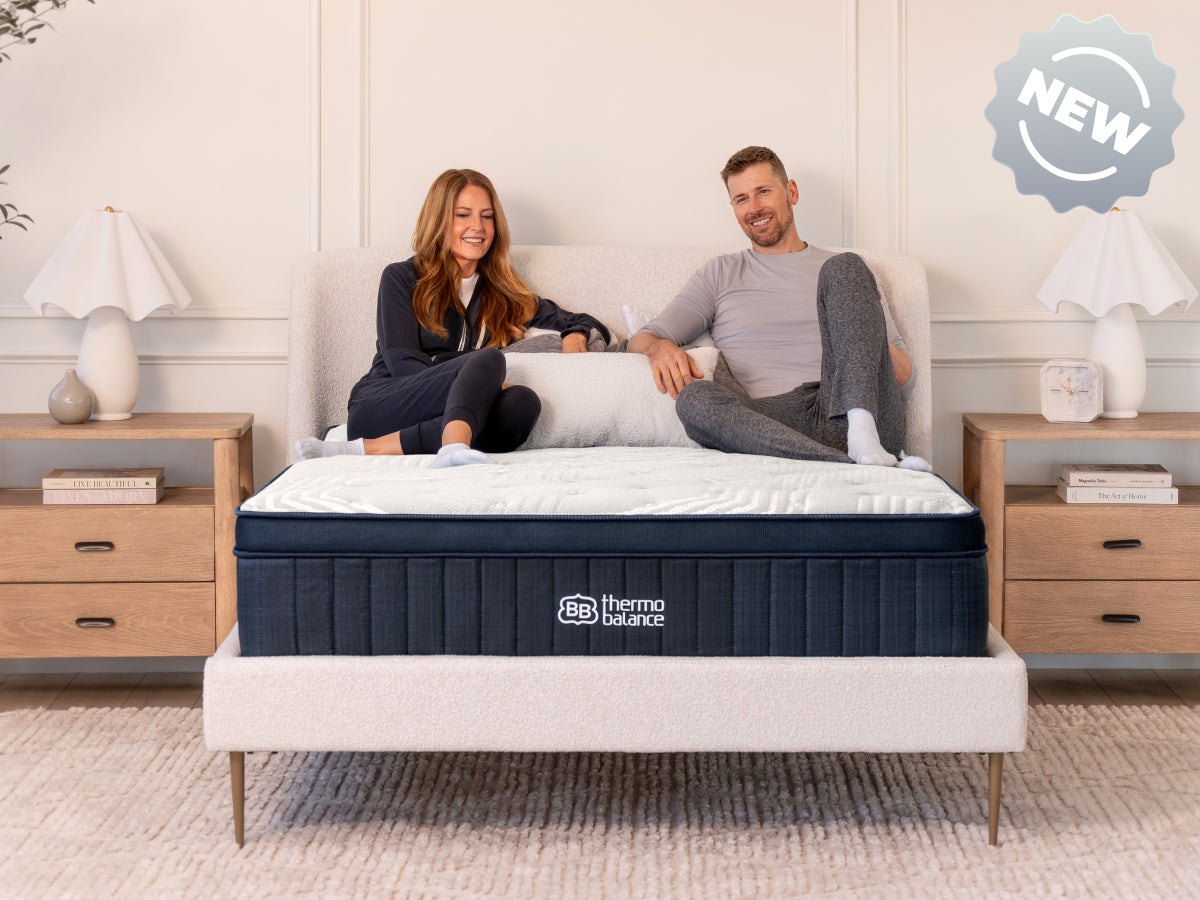
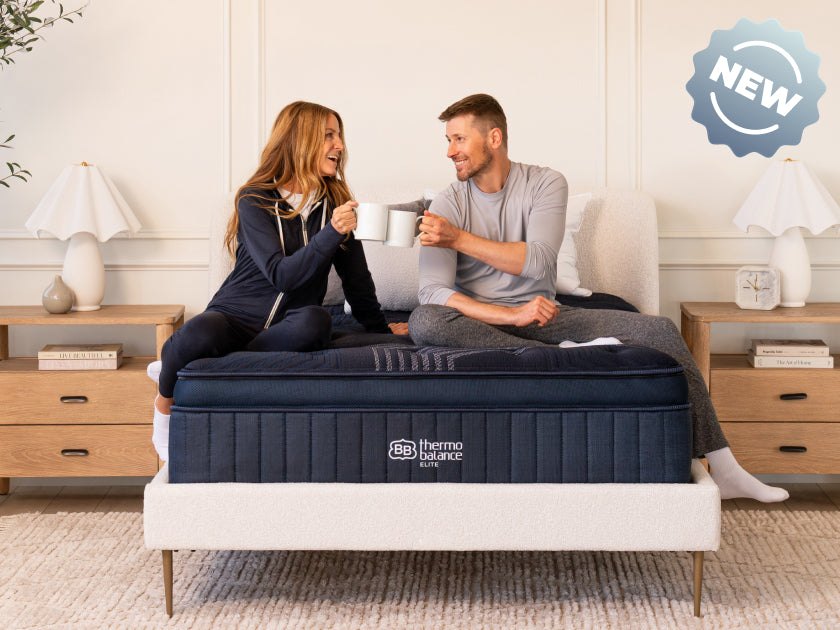
Our top cooling mattress is the Brooklyn Bedding ThermoBalance Elite: 9.9/10 for cooling and 9.5/10 overall, so it is a genuinely good bed rather than a thermal specialist that compromises everywhere else. That cooling score is a research evaluation of its published construction — we have not run it through our physical thermal protocol. The Tempur-Pedic TEMPUR-LUXEbreeze° is the strongest alternative at 9.8/10 cooling (research evaluated) and $4,999 Queen.

How cool a mattress sleeps comes down to construction, not marketing: airflow through a coil unit, how much heat the comfort foam holds, phase-change and heat-conductive covers, and how deeply you sink into the surface. Every mattress below is a mattress — powered bed-climate covers are listed separately.

Key Lab Findings

9.9/10
Highest cooling score among the mattresses ranked on this page (scores are lab tested where the thermal protocol was completed, otherwise research evaluated)
Source: Sleep Sage standardized scoring database, v2.1
2.5°F
Lowest measured surface-temperature rise among ranked picks that completed our thermal protocol
Source: Sleep Sage thermal protocol, 60 minutes body load at 68°F ambient
65–68°F
Optimal bedroom temperature for sleep onset and quality
Source: AASM thermoneutral sleep guidelines, 2023
8
Mattresses that clear our cooling threshold at mainstream pricing
Source: Sleep Sage standardized scoring database

Quick Picks

One award per mattress, each decided by the canonical scores. These are all mattresses — powered climate systems are awarded separately in the active-cooling section.

Hästens 2000T mattress
Best Luxury Cooling Mattress

Hästens 2000T

The highest-scoring cooling mattress above our mainstream price ceiling — 9.9/10 cooling and 9.7/10 overall at $36,000 Queen. It is held out of the main ranking because of price, not performance.

Firmness:
Medium (6/10)
Type:
Innerspring
Best for:
Buyers who want one bed for the next 25 years
Read the Hästens 2000T review
Best Active Cooling System — not a mattress

Eight Sleep Pod 3

Smart Foam · 11 inches · cooling 9.9/10 · $2,795. Powered temperature control sits in a different product category from the mattresses above; see the active-cooling section for the full set.

Cooling Mattresses Compared

Mattresses only — powered bed-climate systems are a different product category and are listed separately below. All scores use our 1–10 scale.

Lab tested means the model completed our physical thermal protocol and has a measured temperature rise. Research evaluated means the cooling score comes from the published construction and materials, with no temperature measured by us.

Brooklyn Bedding ThermoBalance EliteResearch evaluated

Evidence
Research evaluated
Best For
Mattress
Type
Hybrid
Firmness
Medium (6.0/10)
Cooling
9.9/10
Motion Isolation
9.4/10
Edge Support
9.2/10
Queen Price
$1,749
Trial
120 nights

Tempur-Pedic TEMPUR-LUXEbreeze°Research evaluated

Evidence
Research evaluated
Best For
Memory Foam Mattress
Type
Memory Foam
Firmness
Medium Soft (5.0/10)
Cooling
9.8/10
Motion Isolation
9.9/10
Edge Support
9.0/10
Queen Price
$4,999
Trial
90 nights

Brooklyn Bedding ThermoBalanceResearch evaluated

Evidence
Research evaluated
Best For
Hybrid
Type
Hybrid
Firmness
Medium (6.0/10)
Cooling
9.8/10
Motion Isolation
9.1/10
Edge Support
9.0/10
Queen Price
$1,282
Trial
120 nights

Brooklyn Bedding ThermoBalance LXResearch evaluated

Evidence
Research evaluated
Best For
Value
Type
Latex
Firmness
Medium (6.0/10)
Cooling
9.7/10
Motion Isolation
8.8/10
Edge Support
9.1/10
Queen Price
$1,374
Trial
120 nights

Technogel Favola 3.0Research evaluated

Evidence
Research evaluated
Best For
Side Sleepers
Type
Hybrid
Firmness
Medium Soft (5.0/10)
Cooling
9.7/10
Motion Isolation
9.3/10
Edge Support
8.9/10
Queen Price
$3,775
Trial
90 nights

Tempur-Pedic TEMPUR-breeze°Research evaluated

Evidence
Research evaluated
Best For
Couples
Type
Memory Foam
Firmness
Medium Soft (5.0/10)
Cooling
9.7/10
Motion Isolation
9.8/10
Edge Support
8.9/10
Queen Price
$3,999
Trial
90 nights

Purple Hybrid PremierLab tested

Evidence
Lab tested
Best For
Hot sleepers who need cooling
Type
Hybrid
Firmness
Medium Soft (5.0/10)
Cooling
9.8/10
Motion Isolation
9.1/10
Edge Support
8.9/10
Queen Price
$1,999
Trial
100 nights

Casper Snow Max HybridResearch evaluated

Evidence
Research evaluated
Best For
Hot sleepers with back pain
Type
Hybrid
Firmness
Medium Soft (4.5/10)
Cooling
9.7/10
Motion Isolation
8.9/10
Edge Support
9.1/10
Queen Price
$2,884
Trial
100 nights

Cooling Mattress vs Active Bed Cooling

These are two different products solving the same complaint, and confusing them is the most common mistake hot sleepers make when shopping.

Passive cooling — a cooling mattress

The mattress has no power supply. It slows heat building up around you through airflow between pocketed coils, breathable open-cell foam or latex, phase-change and heat-conductive cover fabrics, and a surface that does not envelop you completely. A passive mattress cannot make you cooler than the room; it can stop the bed becoming much warmer than the room.

Active cooling — a bed-climate system

A powered device circulates chilled water or forced air through a cover, or a smart bed does it internally. Because it removes heat rather than merely avoiding it, it can set the surface below room temperature and hold it there, often per side of the bed. The tradeoffs are cost, a unit beside the bed, electricity, noise and in some cases a subscription.

If a genuinely cool mattress has not been enough for you before, an active system is usually the more effective answer — see the active cooling systems below.

What Actually Makes a Mattress Sleep Cool?

A mattress does not create cold. It either lets the heat you produce escape, or it holds it against you. Four parts of the build decide which — and none of them is the word "cooling" on the label.

Coil airflow

A pocketed-coil core is mostly open space, so warm air moves sideways and out instead of collecting under the sleeper. It is the single biggest structural reason hybrids and innersprings usually measure cooler than all-foam beds.

Structural, not a coating

Comfort-layer material

Dense traditional memory foam conforms closely and conducts heat poorly, so it warms up and stays warm. Open-cell foams and latex trap less air against the body and rebound rather than holding an impression.

Where most heat is retained

Phase-change covers

PCM absorbs heat as it changes state, which makes the surface feel cool to the touch on contact and buffers the first part of the night. It has a finite capacity — useful, but not a climate control system.

Surface feel and early-night buffer

Cover and depth

A tightly woven quilted panel over thick foam insulates; a thin breathable knit over a shallower comfort layer does not. How far you sink matters too — the more of you the mattress surrounds, the less surface is left to shed heat.

Construction beats marketing terms

Why Each Mattress Sleeps Cool

What physically moves heat away in each build, who it suits, and where it gives something up.

Best Overall Cooling MattressResearch evaluated

Brooklyn Bedding ThermoBalance Elite

A medium 6.0/10 hybrid build, 14.5 inches, scoring 9.9/10 for cooling. The coil unit leaves open space through the middle of the mattress, so body heat has somewhere to go instead of collecting under you — the structural reason coil beds tend to run cooler than solid foam.

This model has not completed our physical thermal protocol, so its cooling score comes from a research evaluation of the published construction rather than a temperature we measured.

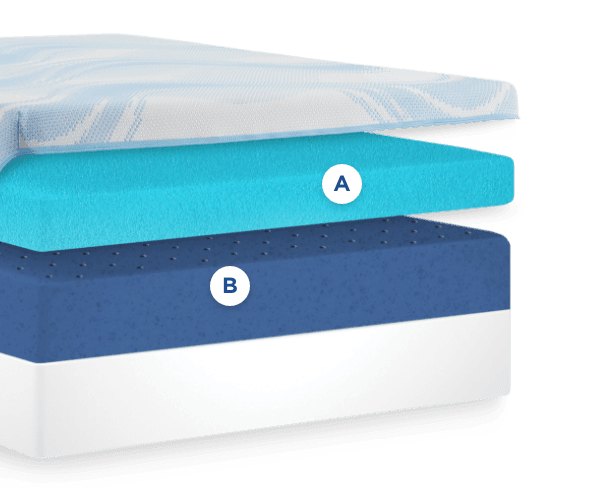
The Brooklyn Bedding ThermoBalance Elite is the flagship of the ThermoBalance collection, adding HD 5.0 memory foam, zoned lumbar support, and upgraded 8-inch Ascension Max coils to the already impressive cooling system. With 11 meticulously engineered layers including ThermoCool cover, ThermoPhase foam, and copper-infused HD 4.0 memory foam, this is Brooklyn Bedding's most advanced cooling mattress ever. Available in soft, medium, and firm, the Elite is designed for sleepers who want zero compromises on both cooling and comfort.

Cooling
9.9/10 (research evaluated)
Construction
Hybrid · Luxury Hybrid · 14.5 inches
Firmness
Medium (6.0/10)
Pressure relief
9.6/10
Support
9.5/10
Motion isolation
9.4/10
Edge support
9.2/10
Durability
9.5/10
Queen price
$1,749
Trial
120 nights

Best for

  • Hot sleepers who want the absolute best cooling technology
  • Couples needing superior motion isolation + cooling
  • Back sleepers who need zoned lumbar support
  • Those willing to invest in premium sleep quality

Consider something else if

  • Premium price point — $1,749+ on sale
  • 120-night trial shorter than many competitors
  • Heavy mattress due to 11-layer construction — hard to move
  • Relatively new model with limited long-term reviews

Read our full Brooklyn Bedding ThermoBalance Elite review

Best Cooling HybridResearch evaluated

Brooklyn Bedding ThermoBalance

A medium 6.0/10 hybrid build, 14 inches, scoring 9.8/10 for cooling. The coil unit leaves open space through the middle of the mattress, so body heat has somewhere to go instead of collecting under you — the structural reason coil beds tend to run cooler than solid foam.

This model has not completed our physical thermal protocol, so its cooling score comes from a research evaluation of the published construction rather than a temperature we measured.

The Brooklyn Bedding ThermoBalance is the brand's flagship cooling mattress, featuring their proprietary ThermoCool cover and ThermoPhase change material that actively absorbs and releases heat to maintain an ideal sleep temperature. Built with HD 4.0 copper-infused memory foam over individually pocketed Ascension coils, it delivers exceptional pressure relief while sleeping noticeably cooler than competitors. This is one of the best cooling mattresses we've tested, and Brooklyn Bedding's factory-direct model keeps the price competitive for a luxury hybrid.

Cooling
9.8/10 (research evaluated)
Construction
Hybrid · Luxury Hybrid · 14 inches
Firmness
Medium (6.0/10)
Pressure relief
9.4/10
Support
9.2/10
Motion isolation
9.1/10
Edge support
9.0/10
Durability
9.3/10
Queen price
$1,282
Trial
120 nights

Best for

  • Hot sleepers who need maximum cooling technology
  • Couples who want motion isolation + temperature regulation
  • Back and side sleepers seeking medium-firm support
  • Those upgrading from a mattress that sleeps too warm

Consider something else if

  • Higher price point than Brooklyn Bedding's other models
  • 120-night trial is shorter than some competitors
  • Only 10-year warranty (many competitors offer lifetime)
  • New model with limited long-term durability data

Read our full Brooklyn Bedding ThermoBalance review

Best Cooling Memory Foam MattressResearch evaluated

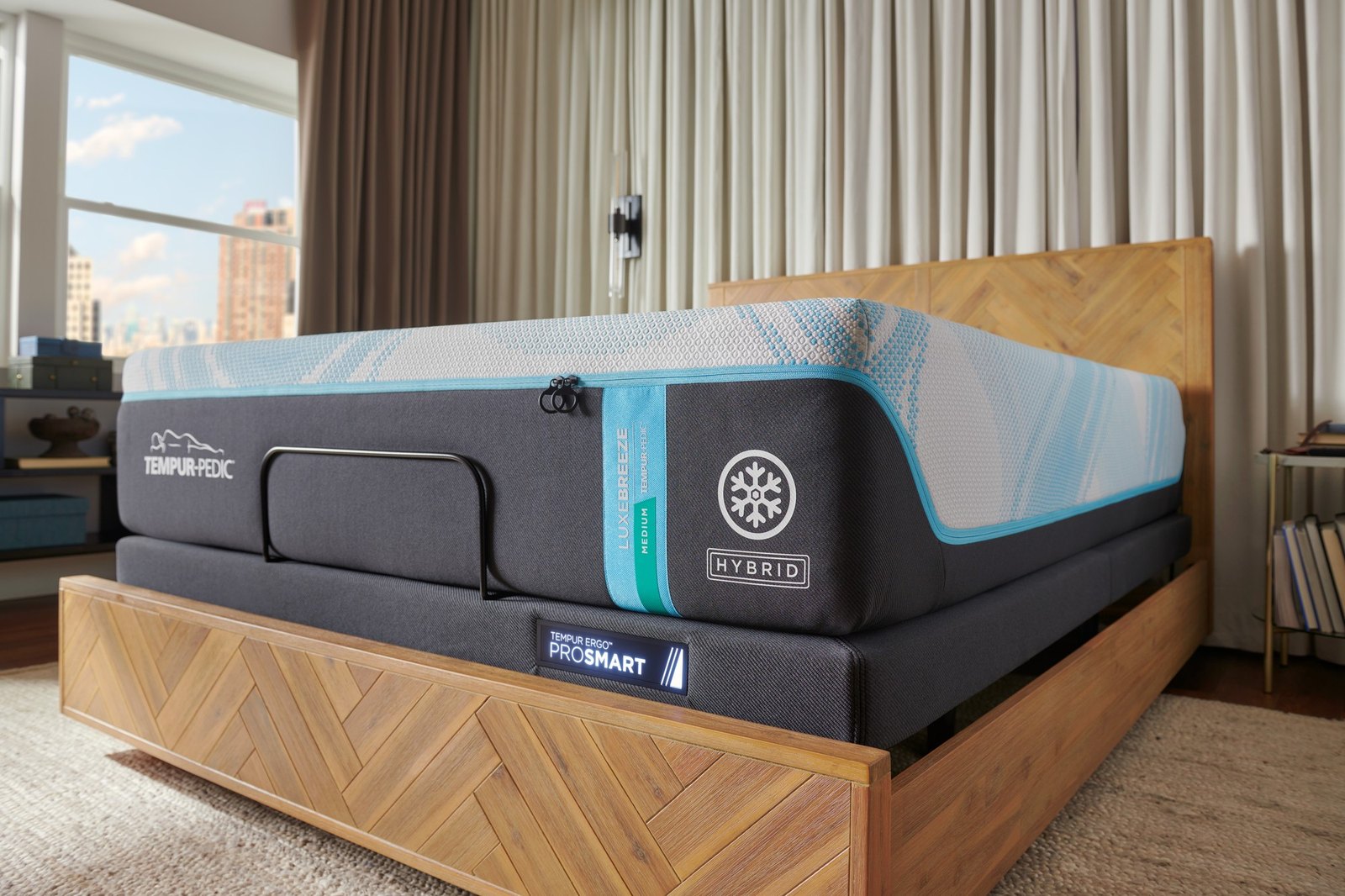
Tempur-Pedic TEMPUR-LUXEbreeze°

A medium soft 5.0/10 memory foam build, 13 inches, scoring 9.8/10 for cooling. Memory foam is the material most likely to hold heat, so a score this high depends on the comfort layer being engineered against that — open-cell structure, perforation or a heat-conductive cover rather than a solid dense slab.

This model has not completed our physical thermal protocol, so its cooling score comes from a research evaluation of the published construction rather than a temperature we measured.

The TEMPUR-LUXEbreeze° is the pinnacle of Tempur-Pedic's cooling technology. A three-phase system — from the cool-to-touch cover through deep ventilated TEMPUR material — delivers up to 8° cooler sleep. If you love memory foam but hate sleeping hot, this is the endgame.

Cooling
9.8/10 (research evaluated)
Construction
Memory Foam · Memory Foam · 13 inches
Firmness
Medium Soft (5.0/10)
Pressure relief
9.6/10
Support
9.3/10
Motion isolation
9.9/10
Edge support
9.0/10
Durability
9.6/10
Queen price
$4,999
Trial
90 nights

Best for

  • Hot sleepers who refuse to give up memory foam
  • Couples with extreme motion sensitivity
  • Those with unlimited budget wanting the best
  • Chronic pain sufferers who sleep hot

Consider something else if

  • $5,000+ price tag — most expensive TEMPUR
  • 90-night trial
  • Extremely heavy (90+ lbs)
  • Only available in soft and firm

Read our full Tempur-Pedic TEMPUR-LUXEbreeze° review

Best Cooling Mattress for Side SleepersResearch evaluated

Technogel Favola 3.0

A medium soft 5.0/10 hybrid build, 11 inches, scoring 9.7/10 for cooling. The coil unit leaves open space through the middle of the mattress, so body heat has somewhere to go instead of collecting under you — the structural reason coil beds tend to run cooler than solid foam.

This model has not completed our physical thermal protocol, so its cooling score comes from a research evaluation of the published construction rather than a temperature we measured.

The Technogel Favola 3.0 combines water-based gel technology with natural latex for a plush, cloud-like feel that stays remarkably cool. This is Technogel's softer offering, ideal for side sleepers and those who want pressure relief without heat buildup.

Cooling
9.7/10 (research evaluated)
Construction
Hybrid · Gel Hybrid · 11 inches
Firmness
Medium Soft (5.0/10)
Pressure relief
9.6/10
Support
9.1/10
Motion isolation
9.3/10
Edge support
8.9/10
Durability
9.4/10
Queen price
$3,775
Trial
90 nights

Best for

  • Side sleepers
  • Hot sleepers wanting plush comfort
  • Couples — excellent motion isolation
  • Those with shoulder or hip pressure points

Consider something else if

  • Highest price in the lineup
  • Softer feel may lack support for stomach sleepers
  • Limited retail distribution
  • Latex layer may be too bouncy for some

Read our full Technogel Favola 3.0 review

Best Cooling Mattress for CouplesResearch evaluated

Tempur-Pedic TEMPUR-breeze°

A medium soft 5.0/10 memory foam build, 13 inches, scoring 9.7/10 for cooling. Memory foam is the material most likely to hold heat, so a score this high depends on the comfort layer being engineered against that — open-cell structure, perforation or a heat-conductive cover rather than a solid dense slab.

This model has not completed our physical thermal protocol, so its cooling score comes from a research evaluation of the published construction rather than a temperature we measured.

The TEMPUR-breeze° takes Tempur-Pedic's legendary conforming comfort and solves its biggest weakness: heat. A three-phase cooling system dissipates heat from the moment you lie down through the entire night.

Cooling
9.7/10 (research evaluated)
Construction
Memory Foam · Memory Foam · 13 inches
Firmness
Medium Soft (5.0/10)
Pressure relief
9.5/10
Support
9.2/10
Motion isolation
9.8/10
Edge support
8.9/10
Durability
9.5/10
Queen price
$3,999
Trial
90 nights

Best for

  • Hot sleepers who love memory foam
  • Couples with motion sensitivity
  • Those with chronic pain
  • Luxury budget shoppers

Consider something else if

  • Ultra-premium pricing ($4,000+)
  • Shortest trial in the industry (90 nights)
  • Very heavy
  • 10-year warranty feels short for price

Read our full Tempur-Pedic TEMPUR-breeze° review

Best ValueResearch evaluated

Brooklyn Bedding ThermoBalance LX

A medium 6.0/10 latex build, 13.5 inches, scoring 9.7/10 for cooling. Latex is pin-cored and springs back rather than holding a body impression, so less of you is enclosed by material and more of the surface stays exposed to air.

This model has not completed our physical thermal protocol, so its cooling score comes from a research evaluation of the published construction rather than a temperature we measured.

The Brooklyn Bedding ThermoBalance LX combines the collection's signature ThermoCool and ThermoPhase cooling technology with naturally breathable Talalay latex for a uniquely responsive, cool-sleeping experience. Where the standard ThermoBalance uses all-foam comfort layers, the LX swaps in Talalay latex for a bouncier, more responsive feel that also happens to be one of the most durable materials in the mattress industry. It's ideal for sleepers who want cooling tech but prefer the springy, lifted feel of latex over the slow hug of memory foam.

Cooling
9.7/10 (research evaluated)
Construction
Latex · Latex Hybrid · 13.5 inches
Firmness
Medium (6.0/10)
Pressure relief
9.3/10
Support
9.4/10
Motion isolation
8.8/10
Edge support
9.1/10
Durability
9.6/10
Queen price
$1,374
Trial
120 nights

Best for

  • Hot sleepers who prefer responsive latex over memory foam
  • Combination sleepers who change positions frequently
  • Eco-conscious buyers who value natural materials
  • Those wanting long-term durability (latex lasts 15+ years)

Consider something else if

  • Slightly less motion isolation than the all-foam ThermoBalance models
  • Latex feel is polarizing — some prefer memory foam's deep hug
  • 120-night trial and limited lifetime warranty
  • No reviews yet from long-term users — brand new model

Read our full Brooklyn Bedding ThermoBalance LX review

Best Luxury Cooling MattressResearch evaluated

Hästens 2000T

A medium 6.0/10 innerspring build, 18 inches (with topper), scoring 9.9/10 for cooling. The coil unit leaves open space through the middle of the mattress, so body heat has somewhere to go instead of collecting under you — the structural reason coil beds tend to run cooler than solid foam.

This model has not completed our physical thermal protocol, so its cooling score comes from a research evaluation of the published construction rather than a temperature we measured.

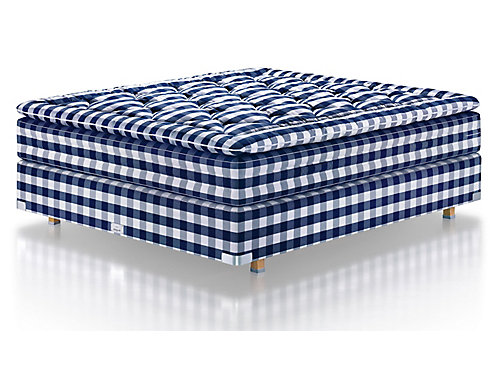
The 2000T is the bed Hästens built its modern reputation on: a three-part system of base frame, mattress, and topper, all constructed around the material Hästens has used since 1852 — hand-teased horsehair. Horsehair acts like millions of tiny natural springs and moves moisture away from the sleeper better than any foam or down fill we have tested, which is why the 2000T sleeps cooler than beds with active cooling systems costing a tenth as much. The comfort story is the hand-laid layering: cotton and wool batting are cross-stitched in alternating directions around a pocket-spring core, so the surface gives gently at the shoulder while the midsection stays level. The catch is purchase process and price. Hästens is sold through its own stores and sleep spas, starting around $28,000 for the base 2000T setup in Queen and climbing past $45,000 with the signature topper and accessories — and there is no online checkout or home trial. This is a buy-forever bed; Hästens beds routinely stay in service for 25 years or more.

Cooling
9.9/10 (research evaluated)
Construction
Innerspring · Handcrafted Horsehair & Pocket Spring · 18 inches (with topper)
Firmness
Medium (6.0/10)
Pressure relief
9.8/10
Support
9.7/10
Motion isolation
9.4/10
Edge support
9.5/10
Durability
9.9/10
Queen price
$36,000
Trial
In-store fitting; no home trial

Best for

  • Buyers who want one bed for the next 25 years
  • Hot sleepers who have tried everything synthetic
  • Back and side sleepers wanting springy, breathable support
  • Anyone furnishing a primary suite at the top of the market

Consider something else if

  • $28,000–$45,000+ puts it beyond most households
  • No home trial — you commit after an in-store fitting
  • Requires Hästens base and topper to perform as designed; the mattress alone is not the product
  • Heavy natural fills need periodic professional turning and airing

Read our full Hästens 2000T review
How We Measure Cooling

The thermal test is simple on purpose. A sensor sits at the sleeping surface under a weighted body load in a room held at 68°F, and we record how far the surface temperature climbs over an hour. The number reported is the rise, not the temperature, so lower is better: a bed that gains 2.1°F is shedding heat well, one that gains 3.8°F is holding it. Across every mattress we have run, results land between roughly 2°F and 4°F.

The cooling score on this page is the standardized 1–10 rating from our scoring database. For models that completed the physical protocol it is anchored to that measured rise; for models evaluated on published construction it reflects the build — coil airflow, comfort-layer material, cover — and nothing is presented as a measurement we did not take.

Measured surface-temperature rise, ranked picks

Other picks on this page are research evaluations and carry no measured figure. Our testing methodology explains the full protocol.

Can Memory Foam Actually Sleep Cool?

Memory foam earned its reputation honestly. The material is viscoelastic and dense, it softens with body heat and then cradles more of you, and a solid slab has almost no internal airflow. The result is a surface that warms up and keeps the warmth close.

Manufacturers work against that in several ways: open-cell structures that let air move through the foam, perforation or channelling, gel and graphite that conduct heat away from the contact point, phase-change cover fabrics, and putting the foam over a coil core rather than more foam. Each one helps at the margin, and a well-built example can measure as cool as many hybrids — which is why a memory-foam bed holds one of the awards above.

What does not follow is that any mattress labelled "gel memory foam" sleeps cool. Gel in a dense slab with a quilted panel over it changes very little. Judge the construction and the score, not the phrase on the law tag. Our memory-foam rankings and hybrid rankings cover both sides of that choice.

Best Cooling Mattress by Sleeper Type

Cooling is rarely the only thing you need, and the second requirement changes what to buy.

Side sleepers

You need cushioning at the shoulder and hip as well as airflow, and deep contouring is exactly what traps heat — so a softer surface over a coil core usually beats a softer all-foam bed. Start with our side-sleeper rankings.

Back sleepers

Less of your body is enclosed by the mattress, so heat is easier to shed; the binding requirement is lumbar support that keeps the pelvis from dropping. See our back-sleeper picks.

Stomach sleepers

A firmer surface is needed to stop the midsection sinking, and firmer generally means less enclosure and better airflow — so cooling and support pull in the same direction here. See our stomach-sleeper picks.

Heavy sleepers

More body mass compresses the comfort layer further, which closes off the air space that was doing the cooling, and generates more heat to begin with. A robust coil core that resists that compression matters more than any cover technology. See our heavy-sleeper rankings.

Couples

Two bodies put roughly twice the heat into the same surface, and cooling has to be weighed against motion isolation and edge support. Where one of you runs hot and the other cold, a per-side active system solves what no single mattress can. See our picks for couples.

Feeling too warm at night has many causes beyond the bed — room temperature, bedding and health factors among them. A cooling mattress can make the sleep surface more comfortable; it is not a treatment for any medical condition, and persistent night sweats are worth raising with a clinician.

Active Cooling Systems

These are not mattresses. They are powered covers and devices used with the mattress you already own, and because they remove heat rather than avoid it, they can hold the surface below room temperature — often the better answer when a cooling mattress alone has not been enough.

Powered beds and covers in our database

These control surface temperature electronically. They are excluded from the mattress ranking above because they are a different product category, not because they cool poorly — several of them cool harder than any passive mattress can.

Cooling Mattress Buying Tips

Hybrid mattresses tend to sleep cooler than all-foam because coils allow airflow through the core.

Phase-change materials (PCM) in mattress covers actively regulate temperature, not just dissipate heat passively.

Memory foam retains the most heat. If you sleep hot, look for gel-infused or open-cell foam alternatives.

Your sheets and bedding matter too — pair a cooling mattress with breathable percale or bamboo sheets for best results.

Room temperature of 60–67°F is ideal for sleep. A cooling mattress helps but isn't a substitute for proper room climate.

Cooling Mattress FAQs

What is the best cooling mattress?

The most breathable builds pair an open support system — pocketed coils or latex — with a thinner comfort layer and a breathable knit cover. Phase-change and ventilated foams help at the surface; the construction underneath does the sustained work.

Do cooling mattresses really work?

They change how warm the surface feels rather than lowering your body temperature. Hybrids and latex generally feel less warm than thick all-foam beds because air can move under the comfort layers.

Why do memory foam mattresses sleep hot?

Dense memory foam contours closely and restricts airflow, so heat sits against the skin. Gel-infused, open-cell and copper-infused foams improve heat transfer, and putting less of that foam above a coil core helps most.

What type of mattress sleeps the coolest?

Coil-based builds — hybrids and innersprings — and latex generally measure coolest, because a pocketed-coil core is mostly open space and latex rebounds instead of enclosing you. All-foam beds can compete, but only when the comfort layer is engineered for airflow rather than being a dense slab.

Are hybrid mattresses cooler than foam mattresses?

Usually, yes. The coil unit gives warm air somewhere to go, so hybrids tend to show a smaller surface-temperature rise than comparable all-foam beds in our thermal test. The comfort layer still matters: a thick memory-foam top over coils narrows the gap.

Is latex cooler than memory foam?

Generally yes. Latex is pin-cored, springs back rather than holding a body impression, and does not soften with heat the way viscoelastic foam does, so less of the body is enclosed and more surface stays exposed to air.

Do cooling mattress covers work?

Phase-change and heat-conductive covers make the surface feel cool on contact and buffer the early part of the night, which many people notice. Their capacity is finite, so they change surface feel rather than removing heat continuously the way a powered system does.

What is the difference between a cooling mattress and Eight Sleep?

A cooling mattress is passive: it has no power supply and works by not trapping heat. Eight Sleep and similar systems are powered covers that circulate temperature-controlled water, so they can hold the surface below room temperature, often per side. They are a different product category, used with a mattress rather than instead of one.

Is a cooling mattress worth it for hot sleepers?

If your current bed is a thick all-foam model, moving to a coil or latex build with a breathable cover is usually a clear improvement. If you have already tried a genuinely cool mattress and still overheat, a powered bed-climate system is the more effective next step.

Related reading: the overall mattress rankings, our latex picks and how we test.

Related Best-Of Categories

Brand Verdicts

See by Brand: Hot Sleepers

Already shopping a specific brand? See how each one stacks up for hot sleepers.

Cooling picks measured side by side

Every mattress in this ranking on its standardized cooling score. Models that completed our physical thermal protocol also carry a measured surface-temperature rise, shown in the testing section above; the rest are research evaluations.

MattressTypeFirmnessThermal scoreQueen priceTrial
Brooklyn Bedding ThermoBalance EliteLuxury Hybrid6/109.9/10$1749$2332120 nightsCheck price
Tempur-Pedic TEMPUR-LUXEbreeze°Memory Foam5/109.8/10$4999$589990 nightsCheck price
Brooklyn Bedding ThermoBalanceLuxury Hybrid6/109.8/10$1282$1832120 nightsCheck price
Brooklyn Bedding ThermoBalance LXLatex Hybrid6/109.7/10$1374$1832120 nightsCheck price
Technogel Favola 3.0Gel Hybrid5/109.7/10$3775$439990 nightsCheck price
Tempur-Pedic TEMPUR-breeze°Memory Foam5/109.7/10$3999$489990 nightsCheck price
Purple Hybrid PremierHybrid5/109.8/10$1999$2499100 nightsCheck price
Casper Snow Max HybridHybrid4.5/109.7/10$2884$4120100 nightsCheck price

Prices reflect the most recent sale captured by our automated price tracker; click through for the live price. Trial periods are the manufacturer's published terms.

Sleep Sage Lab · Encinitas, California

How we test mattresses for hot sleepers

Reviews combine hands-on lab evaluation for mattresses we have physically tested and clearly labeled research evaluations based on manufacturer specifications, materials analysis, and verified owner feedback for models we have not.

Thermal benchmark

Protocol: Tester (170 lb) lies supine for 60 minutes in our 68°F climate-controlled room. We log the median surface temperature rise across the four sensor points, sampled every 30 seconds. The published cooling score is that °F surface temp delta after 60 min, measured in our 68°F / 45% RH room — one protocol, one number, on every page. Longer overnight logs and multi-night surface readings are supplemental context and never replace the 60-minute score.

Why it matters: Hot sleepers wake up more often. Lab-controlled thermal data is the only honest way to compare 'cooling' claims across foam, latex and coil constructions.

XSensor pressure mapping

Protocol: Subject lies on their dominant side for 5 minutes to allow material to fully conform, then we capture a 60-second average map. We report peak shoulder mmHg (not average) because peak pressure is what causes capillary closure. That single standardized reading — peak shoulder pressure (mmhg) for a 165 lb side sleeper — is the only pressure figure that feeds the v2.1 score. Supplemental to the score, we also map heavier and lighter body types (145 lb, 195 lb, 245 lb) to show how a bed behaves by weight on category pages; those maps are analysis, not score inputs. Anything under 32 mmHg — the capillary-closure threshold — is a passing reading.

Why it matters: Numbness at the shoulder or hip is the single biggest reason side sleepers wake up. Pressure mapping turns that into a measurable number instead of an opinion.

Drop-test motion isolation

Protocol: Three drops with the accelerometer mounted 12" from impact. We record peak g-force and use the median trial. Equipment: PCB Piezotronics 393B05 accelerometer + custom drop rig (10 lb steel ball, 12" drop). Lower peak g-force means less partner disturbance. (The 25 lb plate used elsewhere in our lab belongs to the separate response-time test, not this one.)

Why it matters: If you sleep with a partner or a pet, motion transfer is what wakes you up at 3 a.m. — even more than firmness mismatch.

Long-term sleep panel

Protocol: Testing duration varies by product and is stated on the individual review only where our records support it. Sleep Sage does not claim a fixed minimum number of nights for every mattress. Where we held a unit long enough for extended sleep testing, testers matched to the category profile logged morning pain scores and sleep-quality ratings nightly, and that duration is stated on the individual review.

Why it matters: Two beds can post identical lab scores and feel completely different after a real week of use. The panel is what catches the edge cases.

Our full testing protocol is documented at sleepsage.com/how-we-test. We accept review units from brands but pay for any product we keep, and rankings cannot be purchased.

Get price-drop alerts for the best cooling mattresses

Get notified about notable manufacturer sales and price changes for the picks here.

No spam, no daily blasts. Unsubscribe in one click.

Never Miss a Deal

Get exclusive coupons and price drop alerts delivered to your inbox.

No spam, ever. Unsubscribe anytime.

Keep exploring

More from our independent testing lab

Frequently Asked

Questions readers ask

Cited Sources & Peer-Reviewed Research

  1. [1]Okamoto-Mizuno K, Mizuno K. Effects of thermal environment on sleep and circadian rhythm. J Physiol Anthropol. 2012;31(1):14. View source

Sleep Sage cites primary sources for all clinical claims. Lab measurements (firmness, pressure, temperature, motion transfer) originate from our internal protocol described at /how-we-test.

Hand-picked guides and reviews from our editorial team.