Best Organic Sleep Setup
Building an organic bed one product at a time is where most people come unstuck, because the certifications are confusing and the word 'natural' is unregulated marketing on its own. A GOTS label on the cover of a polyurethane mattress tells you about the cover.
This setup assembles the whole bed from products whose own published descriptions identify them as latex, wool, organic cotton or natural builds, then scores them on our ratings. Certification details always come from the manufacturer's current documentation — check them before ordering, since certifications are renewed and can change.
Why buy this as a system
An organic bed is only as natural as its least natural layer, and the layers touching you — sheets, protector, pillow — are the ones people forget. Buy the mattress for the materials and the bedding for the certification, and verify every claim against the manufacturer's current paperwork rather than the headline.
The setup at a glance
| Component | Top pick | Price |
|---|---|---|
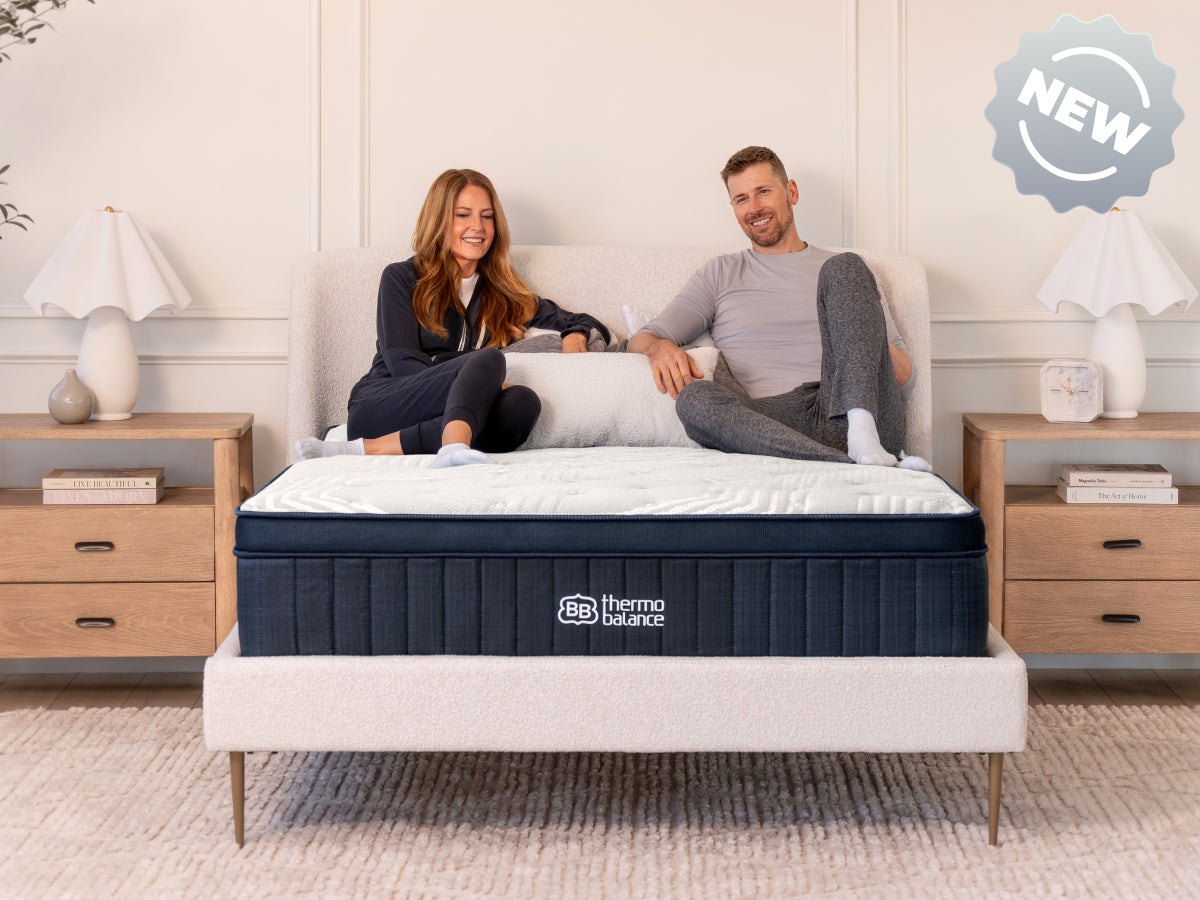
| Mattress | Brooklyn Bedding ThermoBalance LX | $1,374 |
| Sheets | Avocado Organic Cotton Sheets | $134 |
| Protector | Avocado Organic Waterproof Mattress Protector | $149 |
| Pillow | Avocado Green Pillow | $159 |
| Topper (optional) | Avocado Eco Organic Topper (Medium) | $449 |
| Setup total (excludes optional items) | $1,816 | |
Queen or standard sizes, at the prices recorded in our reviews. A frame or foundation is not included. Prices change often — check the retailer before budgeting.
* We may earn a commission through affiliate links. This doesn't affect our reviews.
1. Mattress: latex, wool and cotton builds
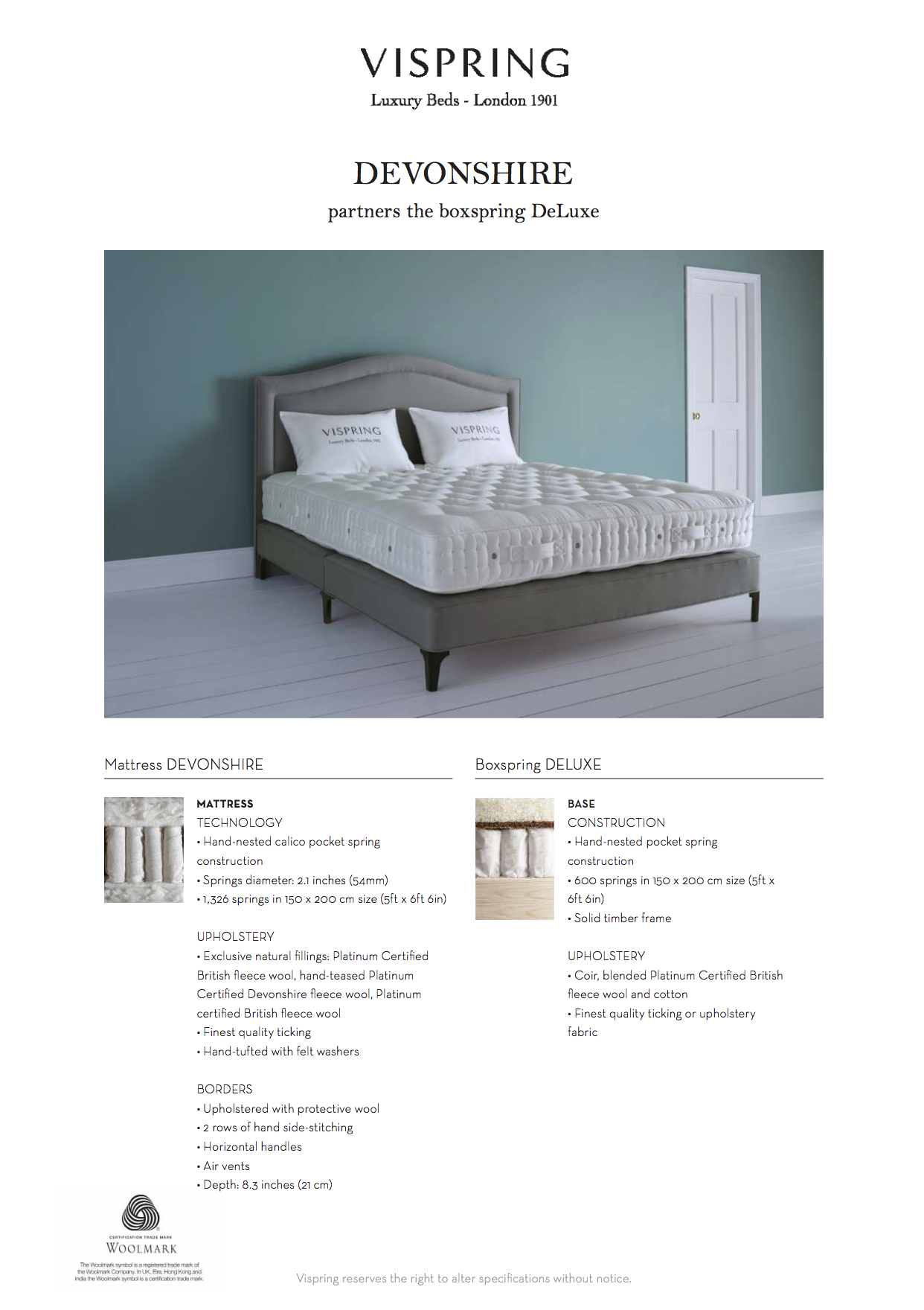
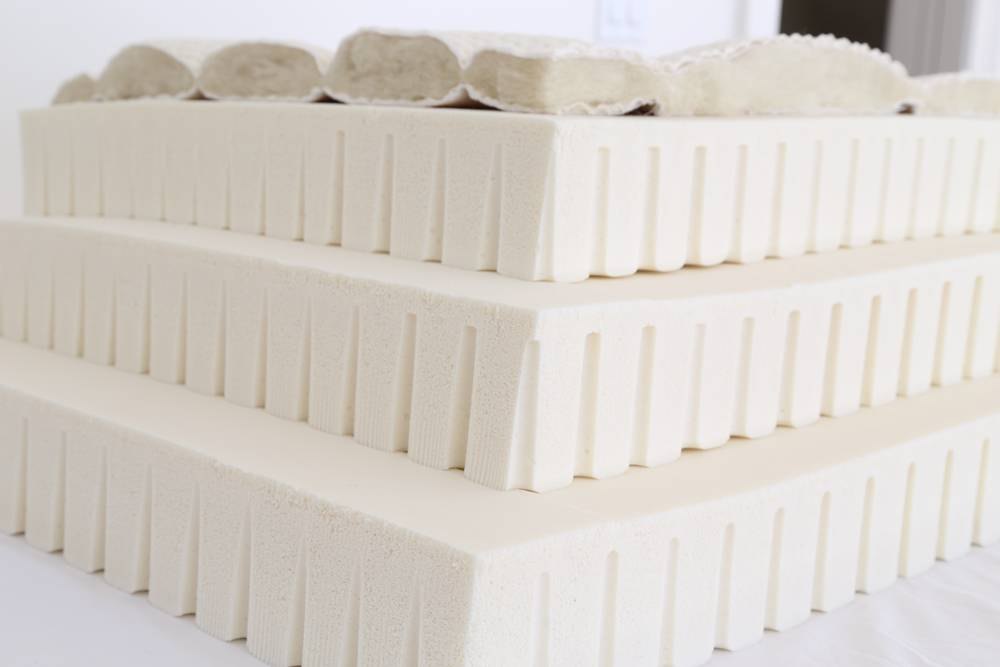
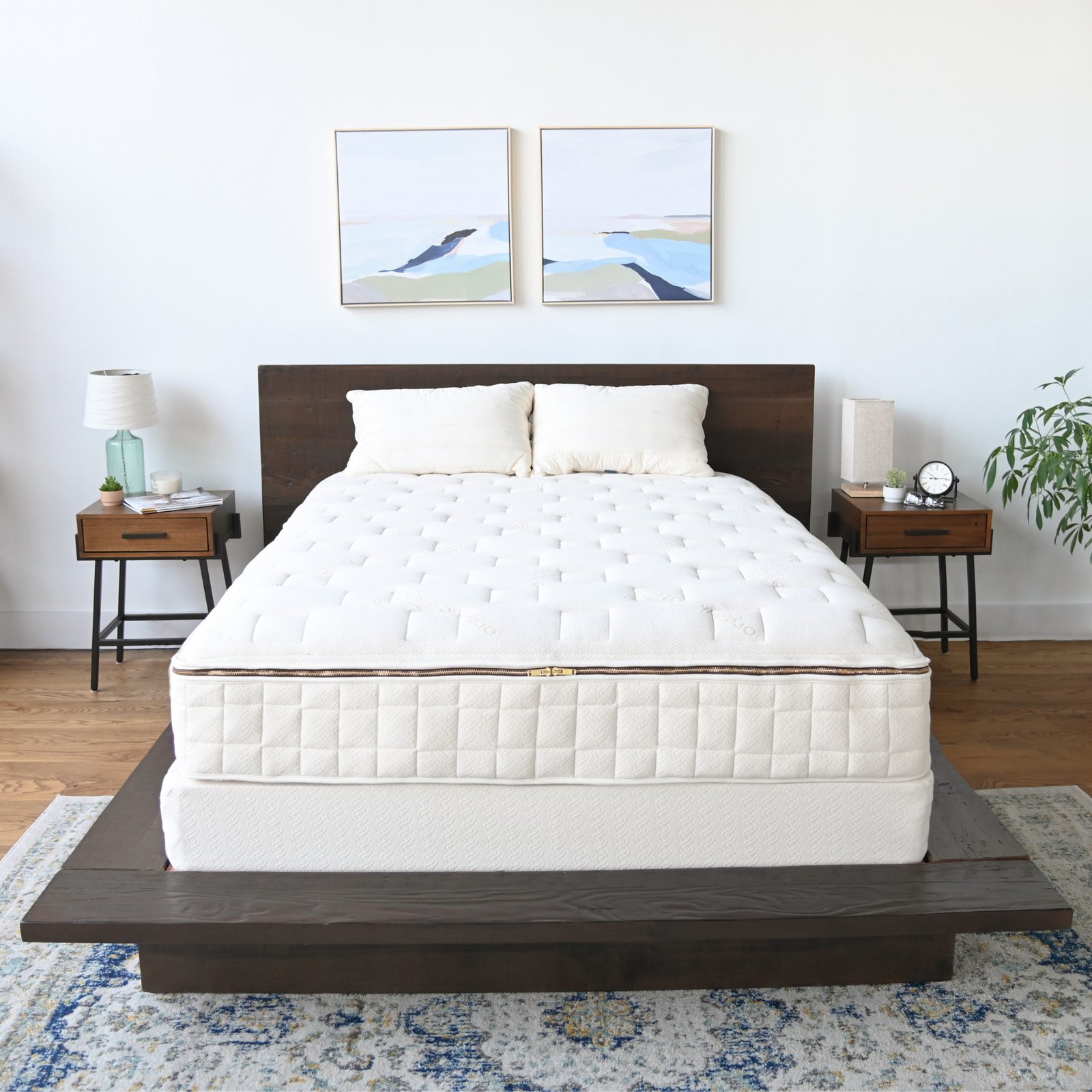
Natural latex over a wool fire barrier in an organic cotton cover is the standard construction here. It is durable, breathable and heavy, and it is the part of the bed where the material choice matters most.
Scored from our published mattress ratings. One model per brand.
2. Sheets: where the certification is easiest to verify
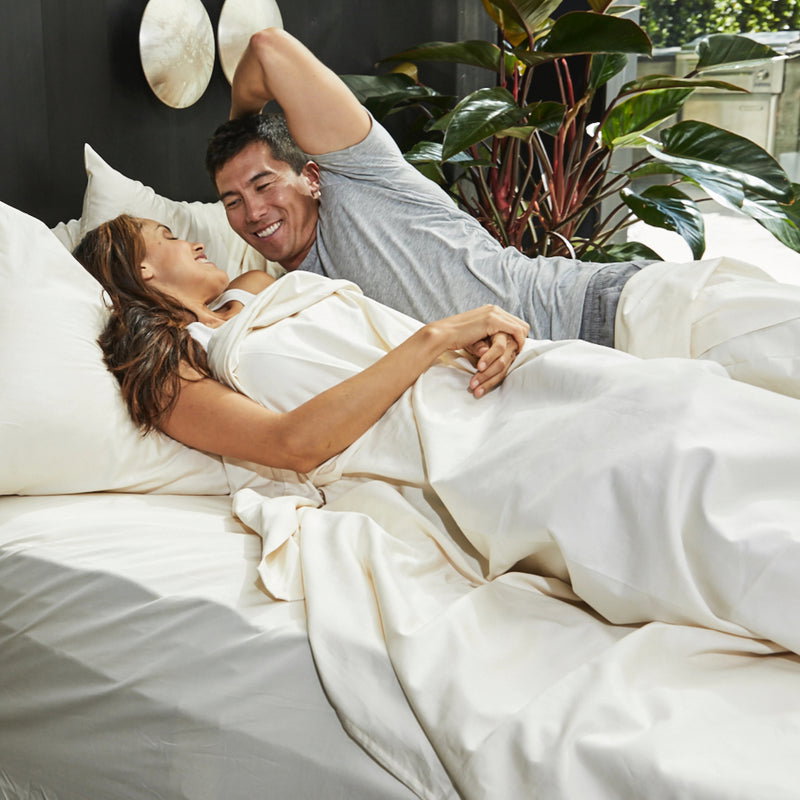
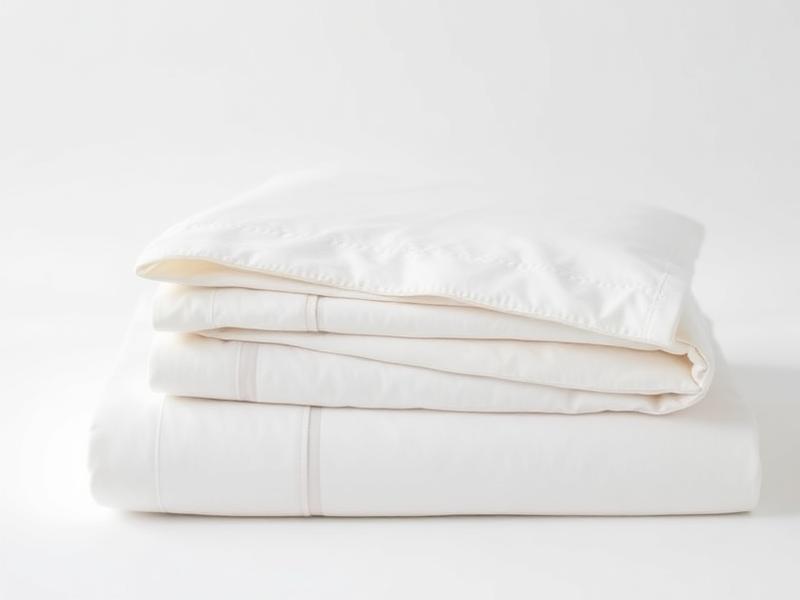
Organic cotton and linen sheets are widely certified and the layer against your skin all night. This is the cheapest genuinely certifiable upgrade in the bed.
Scored from our published sheets ratings. One model per brand.
3. Protector: the layer people compromise on
Waterproofing usually means a polyurethane membrane, which is the least natural thing in an otherwise organic bed. Organic cotton faces over a thin membrane are the usual compromise; wool pads are the alternative if you do not need waterproofing.
Scored from our published protector ratings. One model per brand.

4. Pillow: latex, wool or kapok
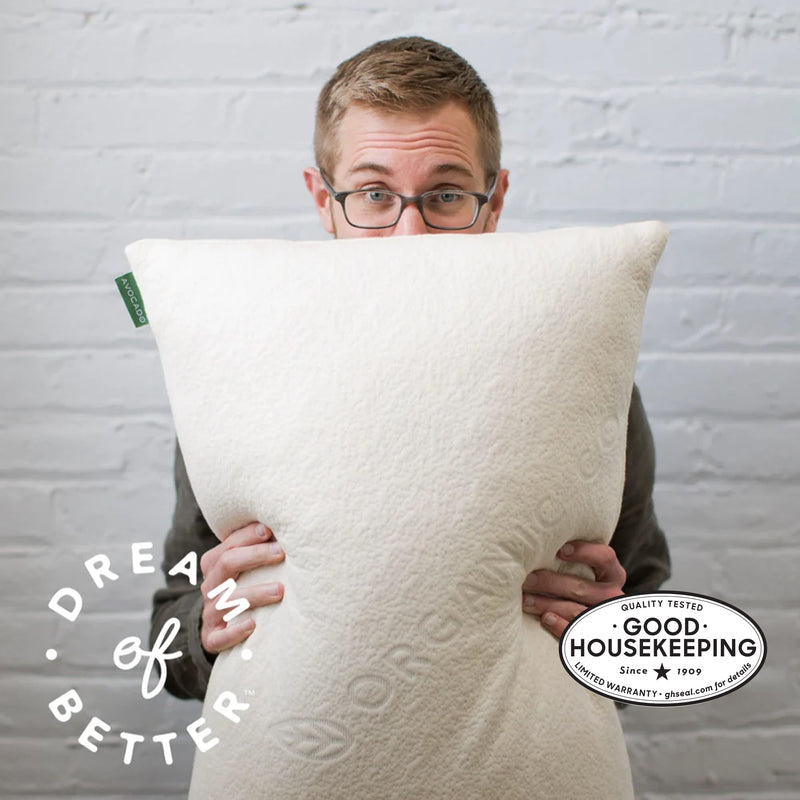
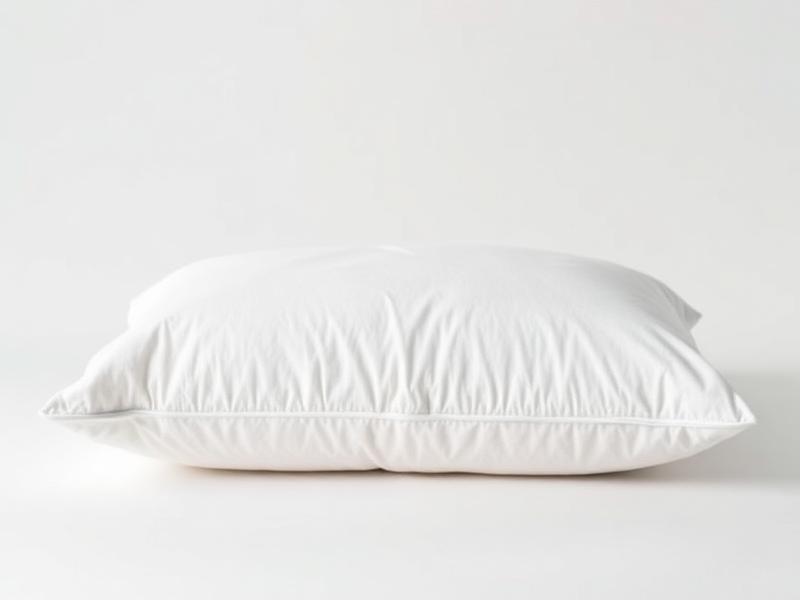
Shredded natural latex and wool pillows are the natural-material equivalents of memory foam and down. Latex holds its height; wool breathes and resists moisture.
Scored from our published pillow ratings. One model per brand.
5. Topper (optional): latex or wool
A natural latex topper softens a firm latex mattress without introducing foam; a wool topper adds a breathable cushioning layer and helps with temperature swings.
Scored from our published topper ratings. One model per brand.

What the certifications actually cover
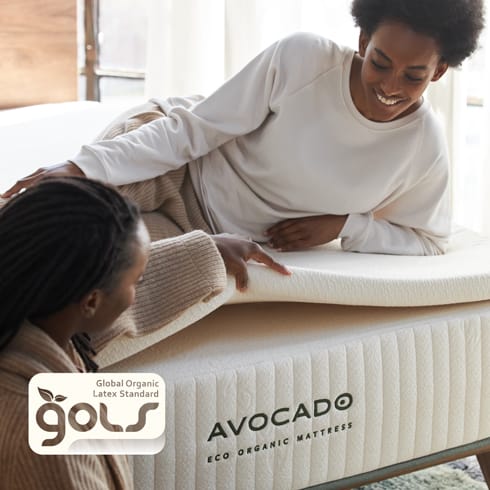
GOTS applies to textiles such as cotton and wool; GOLS applies to latex. Both certify specified components, not automatically the entire finished product, so the meaningful question is always which parts of this mattress are covered.
GREENGUARD Gold and OEKO-TEX are emissions and substance tests rather than organic-content certifications — useful, but they are answering a different question. Certificates are issued to a manufacturer for a period and get renewed, so verify against the brand's current documentation rather than a review's snapshot, including ours.
Natural latex feels different
Latex is springy and responsive rather than slow-sinking. People moving from memory foam usually notice it immediately, and some prefer it while others do not — which is exactly what a sleep trial is for.
It is also heavy. Natural latex mattresses are among the heaviest in the market, which matters for stairs, rotation and the base underneath.
Where an organic build costs more
Natural latex is genuinely expensive as a raw material, so the mattress is the largest cost jump. Organic cotton sheets cost modestly more than conventional; wool bedding is the biggest jump per item in the accessories.
If the budget cannot cover everything, buy the mattress and the sheets in natural materials first — the biggest volume of material and the layer against your skin.
Frequently Asked Questions
What does an organic mattress certification actually guarantee?
GOTS covers textiles and GOLS covers latex, and both apply to specified components rather than automatically to the whole product. Ask which parts are certified, and check the manufacturer's current documentation — certificates are renewed periodically.
Is GREENGUARD Gold the same as organic?
No. It is an emissions test, so it tells you about what a product releases into the air rather than what it is made from. It is useful alongside an organic certification, not a substitute for one.
Does natural latex sleep hot?
Latex is generally more breathable than dense memory foam, particularly in perforated or Talalay forms, and wool layers help manage moisture. Our cooling ratings for each pick are on its review page.
Which part of an organic bed should I buy first?
The mattress, because it is the largest volume of material, then the sheets, because they are against your skin every night and easy to verify. The protector is where most organic beds compromise, since waterproofing means a membrane.