Best Complete Sleep Setup for Combination Sleepers
Combination sleepers are badly served by most mattress advice, because almost all of it optimises for a single position. A bed tuned perfectly for side sleeping is too soft when you roll onto your back; one tuned for your back is punishing on your shoulder.
The answer is not a compromise on softness — it is responsiveness. A bed that lets you change position easily and supports you adequately in each one beats a bed that is perfect in one position and wrong in the other two.
Why buy this as a system
For combination sleeping, ease of movement is the deciding property. Deep contouring foam holds you in place and makes every turn a small effort; a responsive surface in the middle of the firmness scale lets you move and still supports the hips when you land on your back.
The setup at a glance
| Component | Top pick | Price |
|---|---|---|
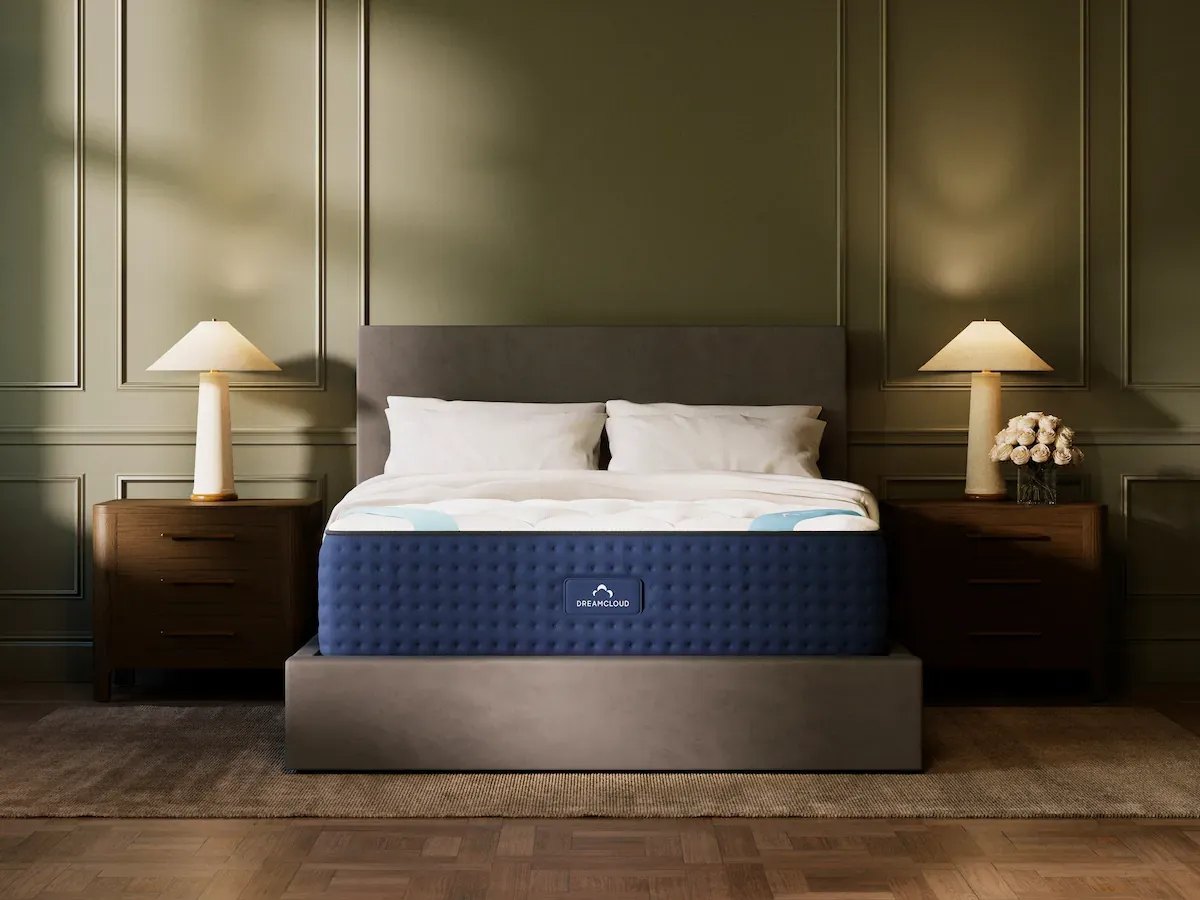
| Mattress | DreamCloud Premier | $1,099 |
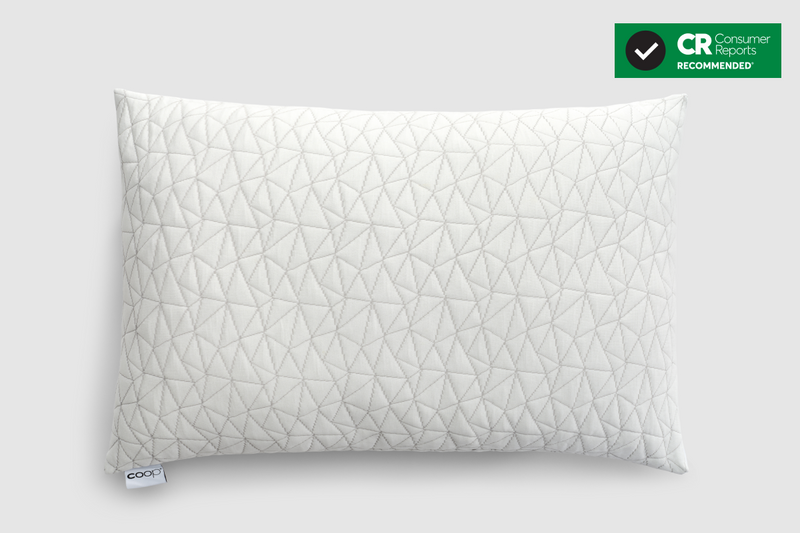
| Pillow | Coop Original Adjustable Pillow | $89 |
| Sheets | Cozy Earth Bamboo Sheet Set | $219 |
| Protector | Avocado Organic Waterproof Mattress Protector | $149 |
| Topper (optional) | Avocado Eco Organic Topper (Medium) | $449 |
| Setup total (excludes optional items) | $1,556 | |
Queen or standard sizes, at the prices recorded in our reviews. A frame or foundation is not included. Prices change often — check the retailer before budgeting.
* We may earn a commission through affiliate links. This doesn't affect our reviews.
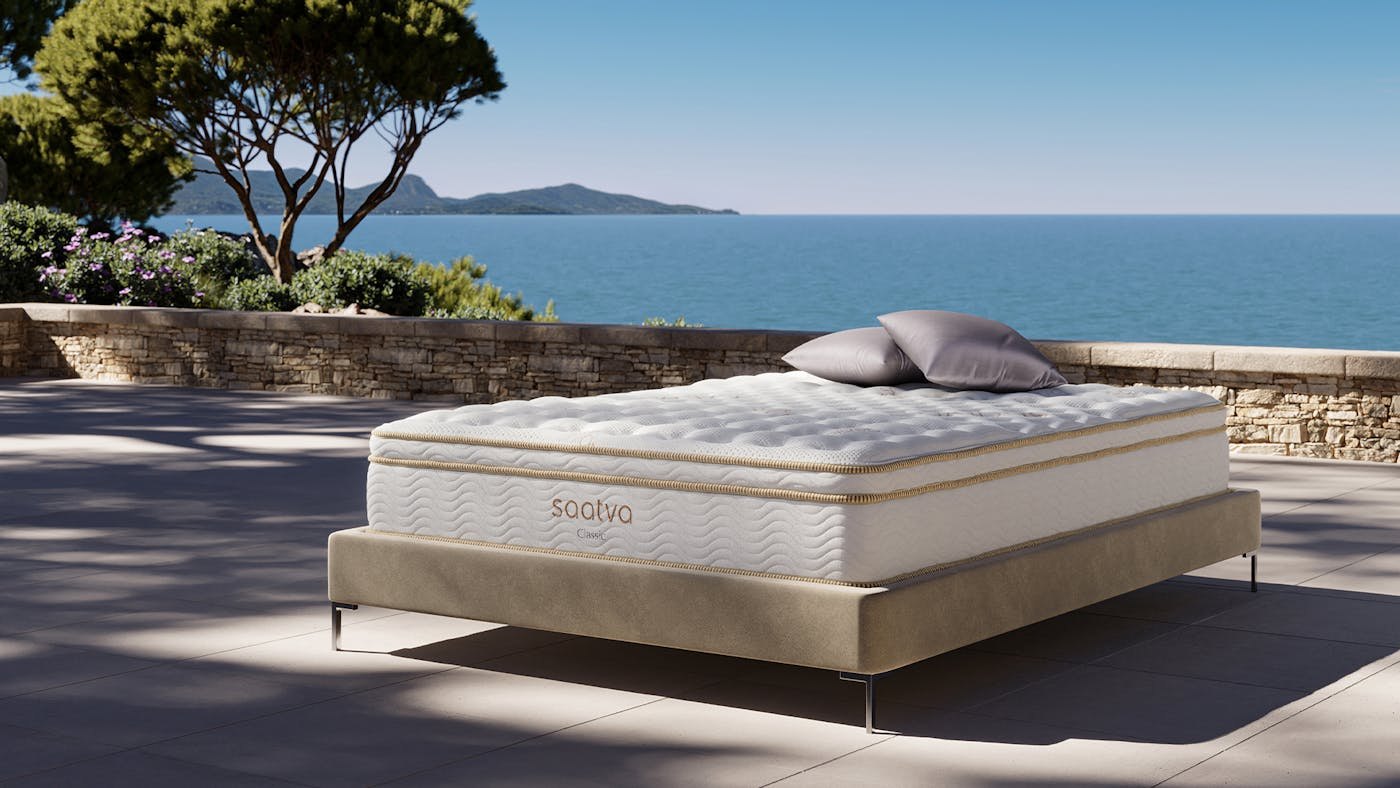
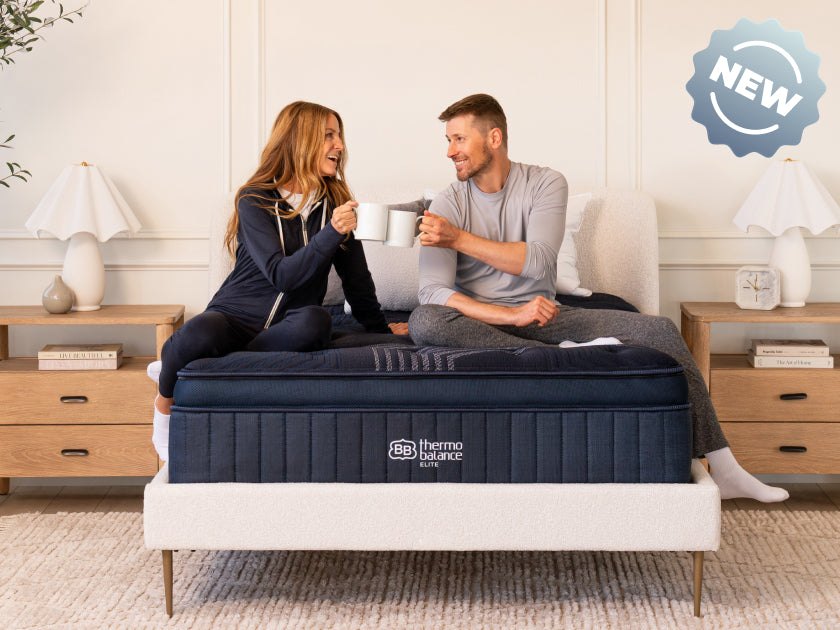
1. Mattress: responsive, mid-firmness
Enough give for the shoulder on your side, enough support for the hips on your back, and enough spring to change position without climbing out of a hollow.
Scored from our published mattress ratings, firmness 5–7/10. One model per brand.

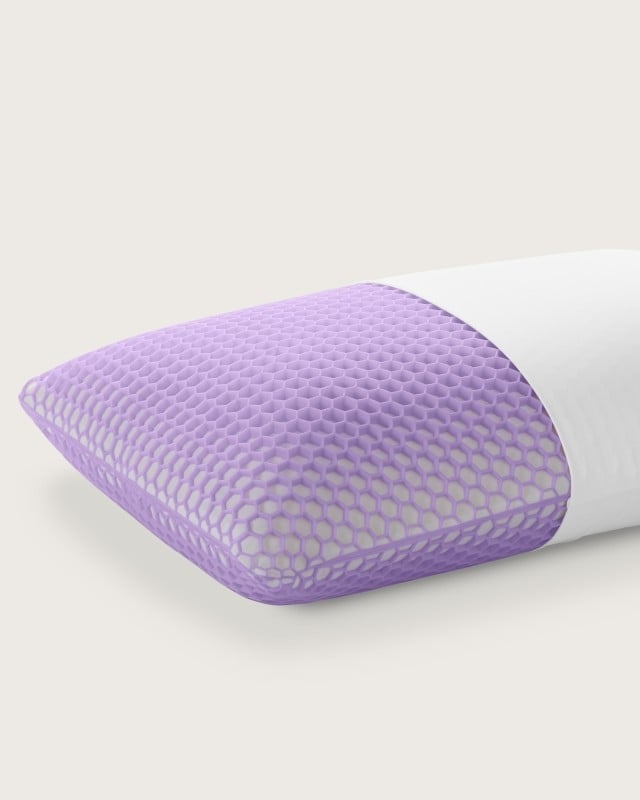
2. Pillow: adjustable, because your height requirement changes
Side sleeping needs more height than back sleeping, and you do both in one night. An adjustable-fill pillow you can shape, or a pillow with a high and a low side, handles that better than a fixed block of foam.
Scored from our published pillow ratings. One model per brand. Full category guide: Best pillows for combination sleepers.

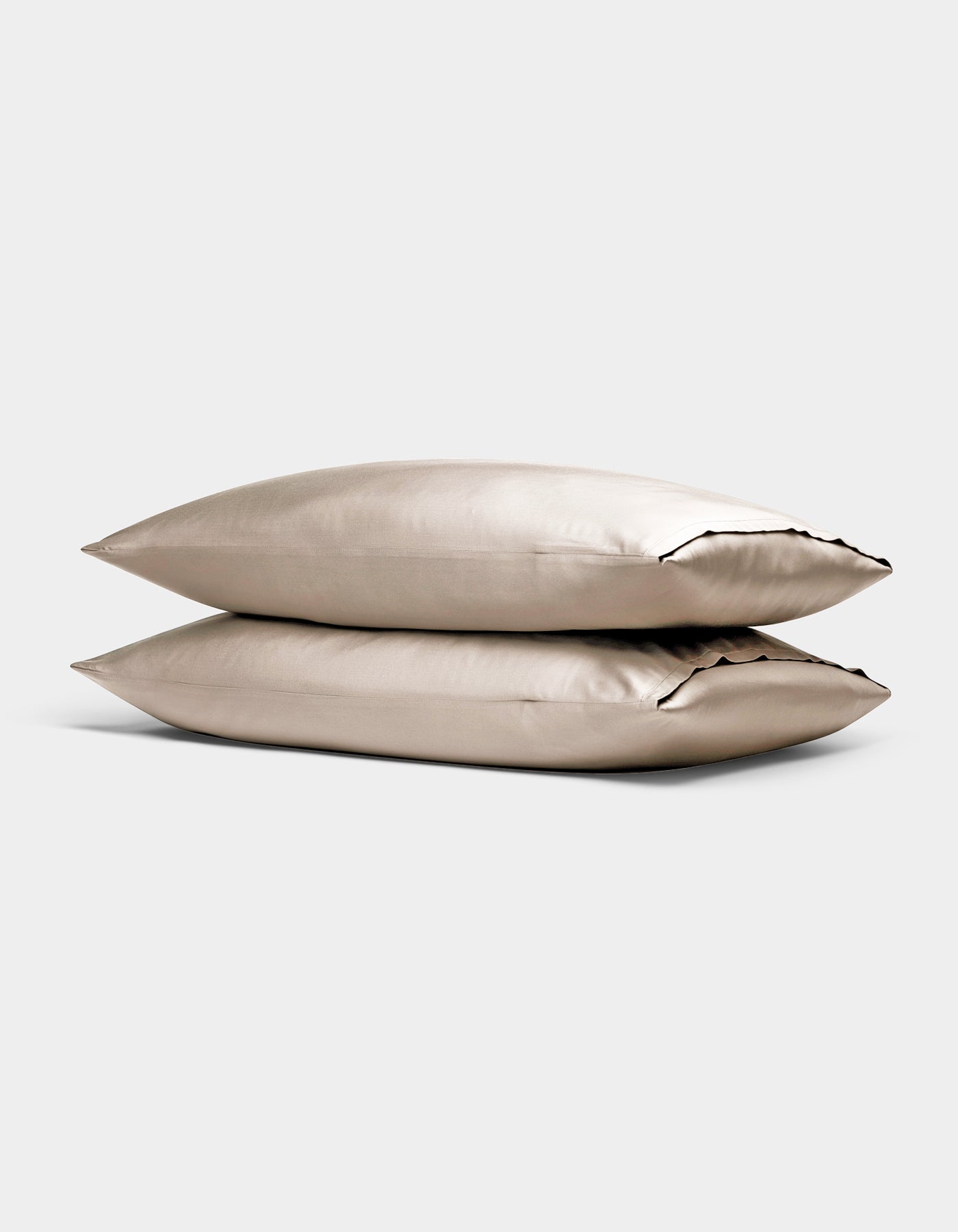
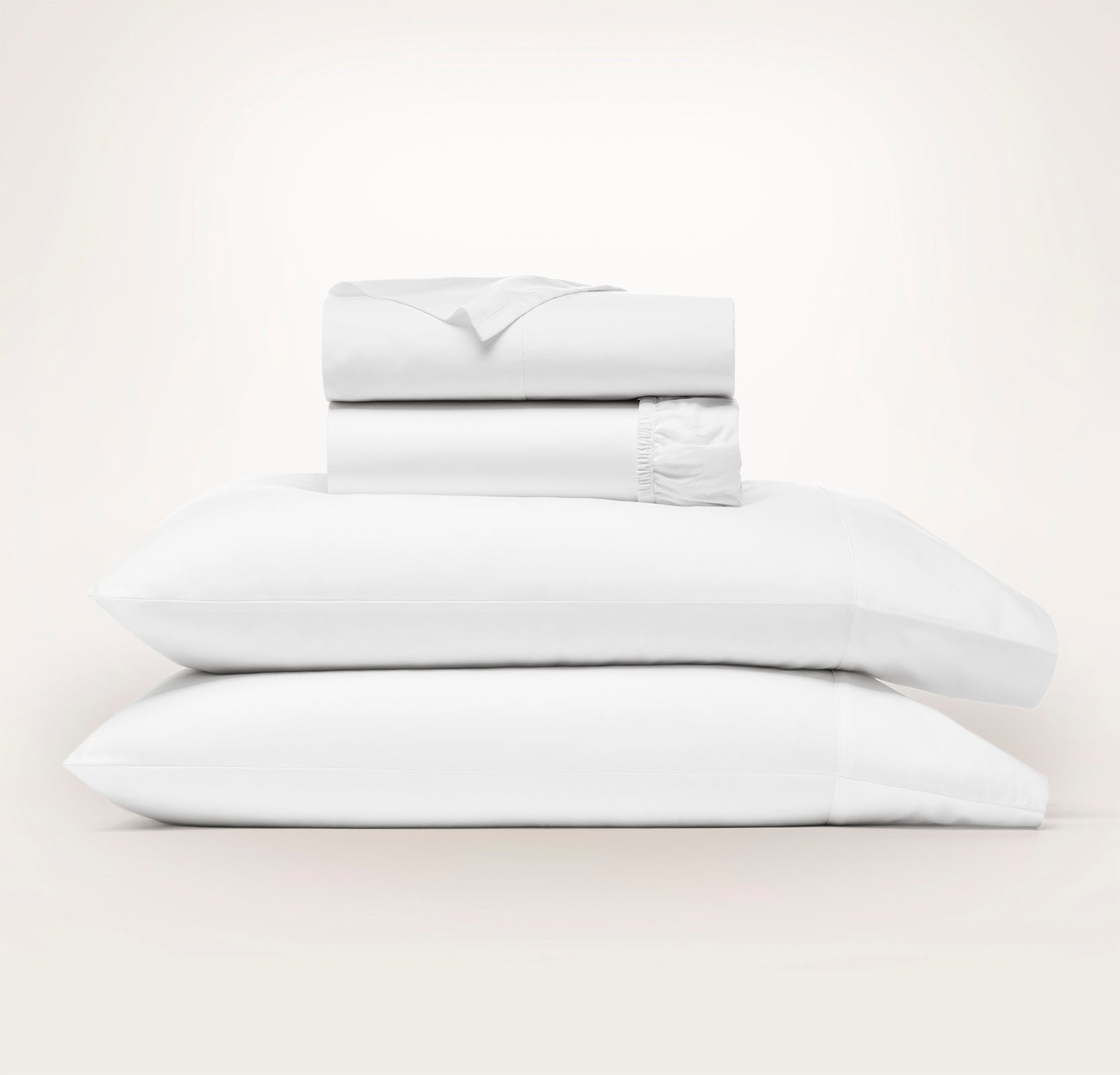
3. Sheets: they have to stay on the bed
Moving all night is what pulls fitted sheets off corners. Elastic quality and a weave with some grip matter more here than thread-count marketing.
Scored from our published sheets ratings. One model per brand.

4. Protector: quiet above all
Every position change is another chance to hear a crinkly membrane. Choose a quiet, breathable protector rather than a laminated one.
Scored from our published protector ratings. One model per brand.

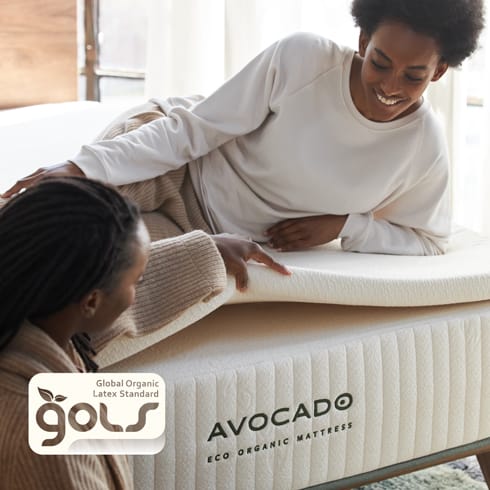
5. Topper (optional): tune, do not transform
A thin, responsive topper can soften a bed that is slightly too firm on your side without turning it into something you sink into on your back. Thick memory foam is the wrong choice here.
Scored from our published topper ratings. One model per brand.

Responsiveness beats plushness
The property that makes or breaks a bed for a combination sleeper is how quickly the surface returns when you move. Slow-response memory foam creates a hollow that you have to climb out of, and that small effort repeated through the night is what wakes people without them knowing why.
Latex, coil-on-coil hybrids and faster-responding foams all move with you. That is why this setup scores comfort and support together rather than chasing one of them.
The pillow is the harder problem
Your ideal pillow height changes between positions, so the only real solutions are a pillow you can reshape, one with two different heights, or keeping two pillows and swapping. All three are legitimate; the fixed-loft memory foam block is the option that will never suit every position.
Start from the side-sleeping height, since that is the position that punishes a wrong pillow hardest, and see whether it is tolerable on your back.
If you share the bed
Combination sleeping generates movement, and movement wakes partners. A mattress that responds quickly usually transfers a little more motion than a deep foam bed does, so if your partner is a light sleeper, weight motion isolation higher and look at the couples setup.
Frequently Asked Questions
What firmness is best for combination sleepers?
Generally the middle of the scale — enough give for the shoulder on your side, enough support for the hips on your back. This setup scores mattresses in that window and weights comfort and support equally.
Is memory foam bad for combination sleepers?
Slow-response memory foam makes turning harder because you have to climb out of the impression you made. Faster-responding foams, latex and hybrids move with you, which is what this setup prioritises.
What pillow works if I change position?
An adjustable-fill pillow you can add to or remove from, or one with a high side and a low side. Fixed-loft pillows can only be right in one of your positions.
Should I still add a topper?
Only a thin, responsive one, and only to fix a specific complaint. A thick memory foam topper turns a responsive bed into one that holds you in place, which is the opposite of what a combination sleeper wants.