Best Complete Sleep Setup for Heavy Sleepers
Body weight changes which bed problems you get. A mattress that feels supportive at 150 lb can sink at the hips at 280 lb, edges collapse sooner, and comfort layers compress in months rather than years. The failure is almost always durability rather than first-night comfort.
So this setup weights support, durability and edge support ahead of plushness, and the rest of the bed follows the same logic — a base rated for the load, a pillow that holds its height, and a protector that survives frequent washing.
Why buy this as a system
Heavier sleepers load every component harder, so the right setup is chosen on what holds up rather than what feels best in a showroom. Support and durability come first; softness is added on top with a topper you can replace cheaply when it wears.
The setup at a glance
| Component | Top pick | Price |
|---|---|---|
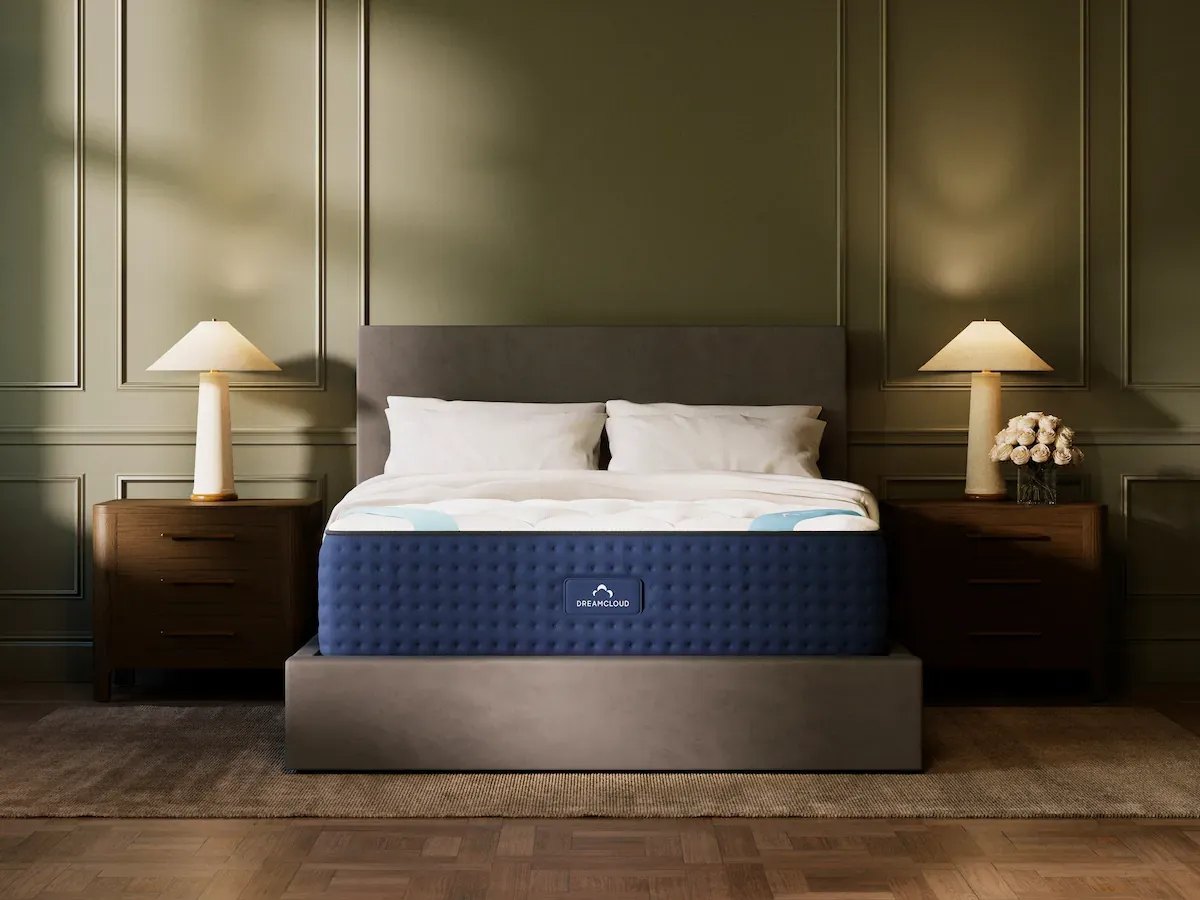
| Mattress | DreamCloud Premier | $1,099 |
| Base | Symphony Sleep Estate ES700 | $1,799 |
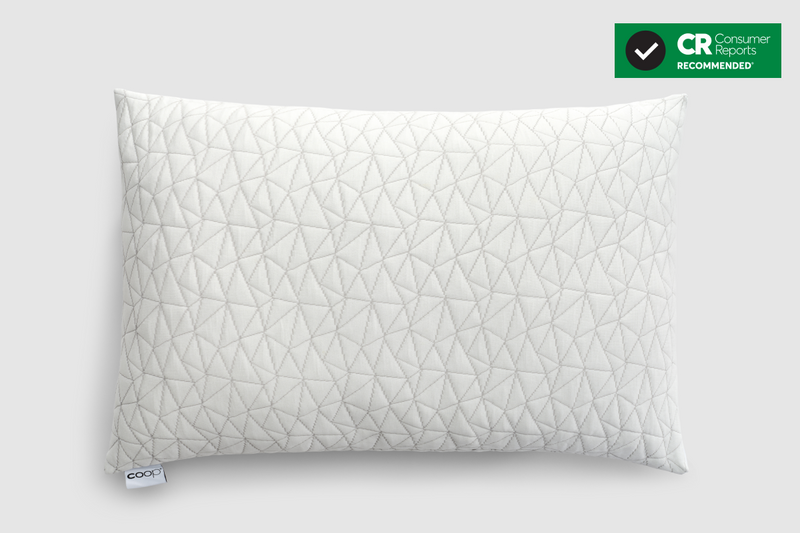
| Pillow | Coop Original Adjustable Pillow | $89 |
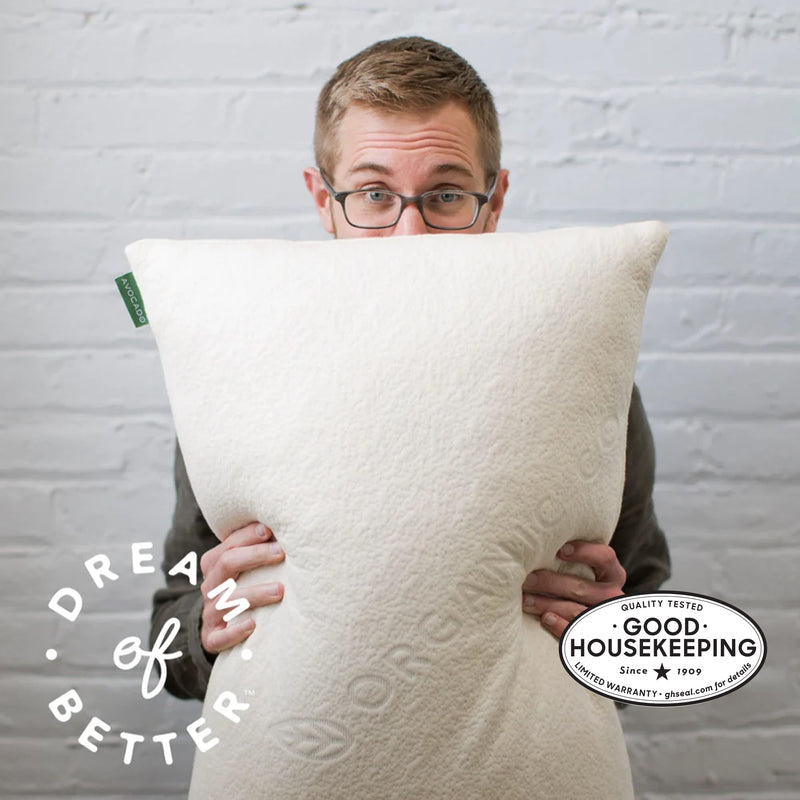
| Protector | Avocado Organic Waterproof Mattress Protector | $149 |
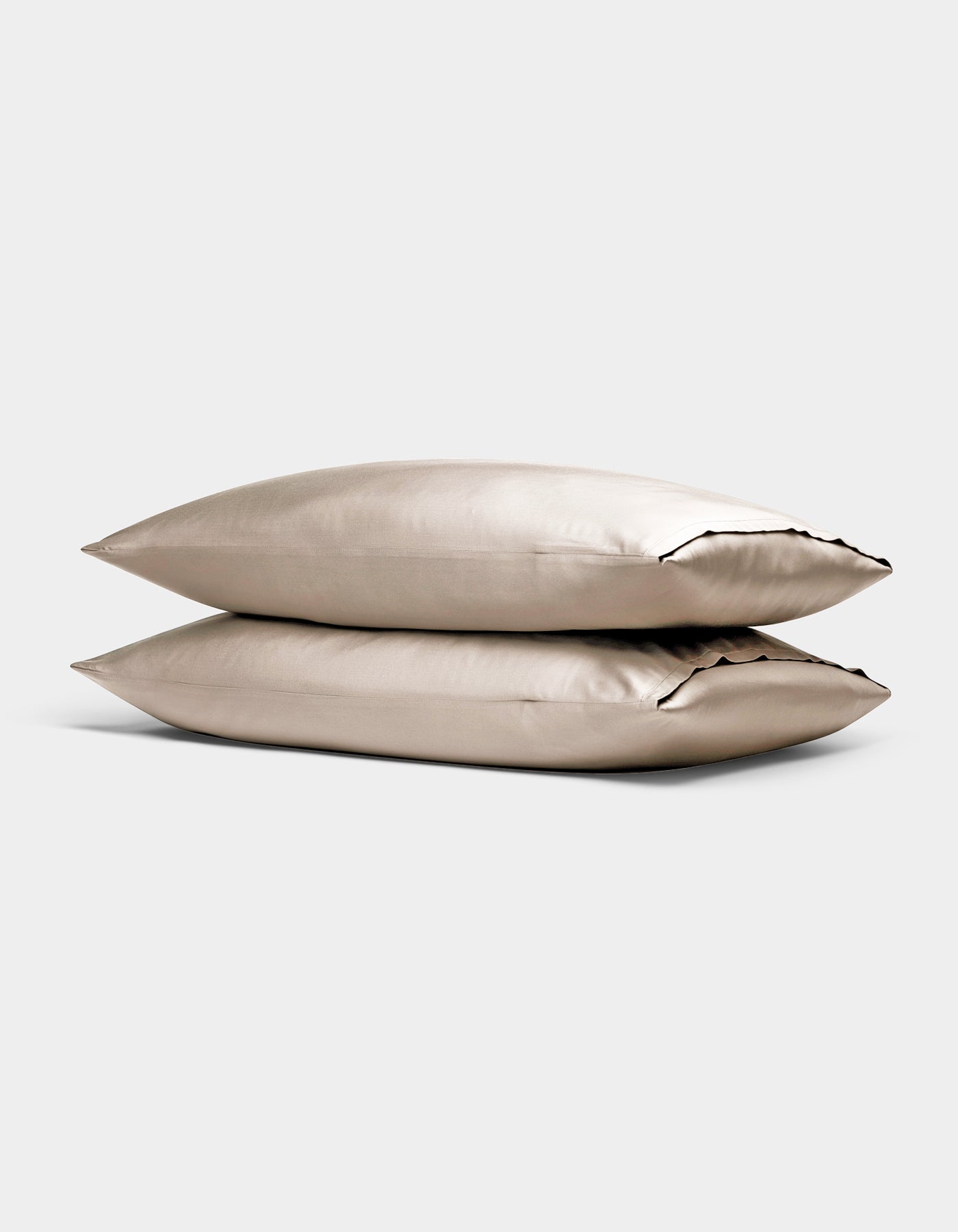
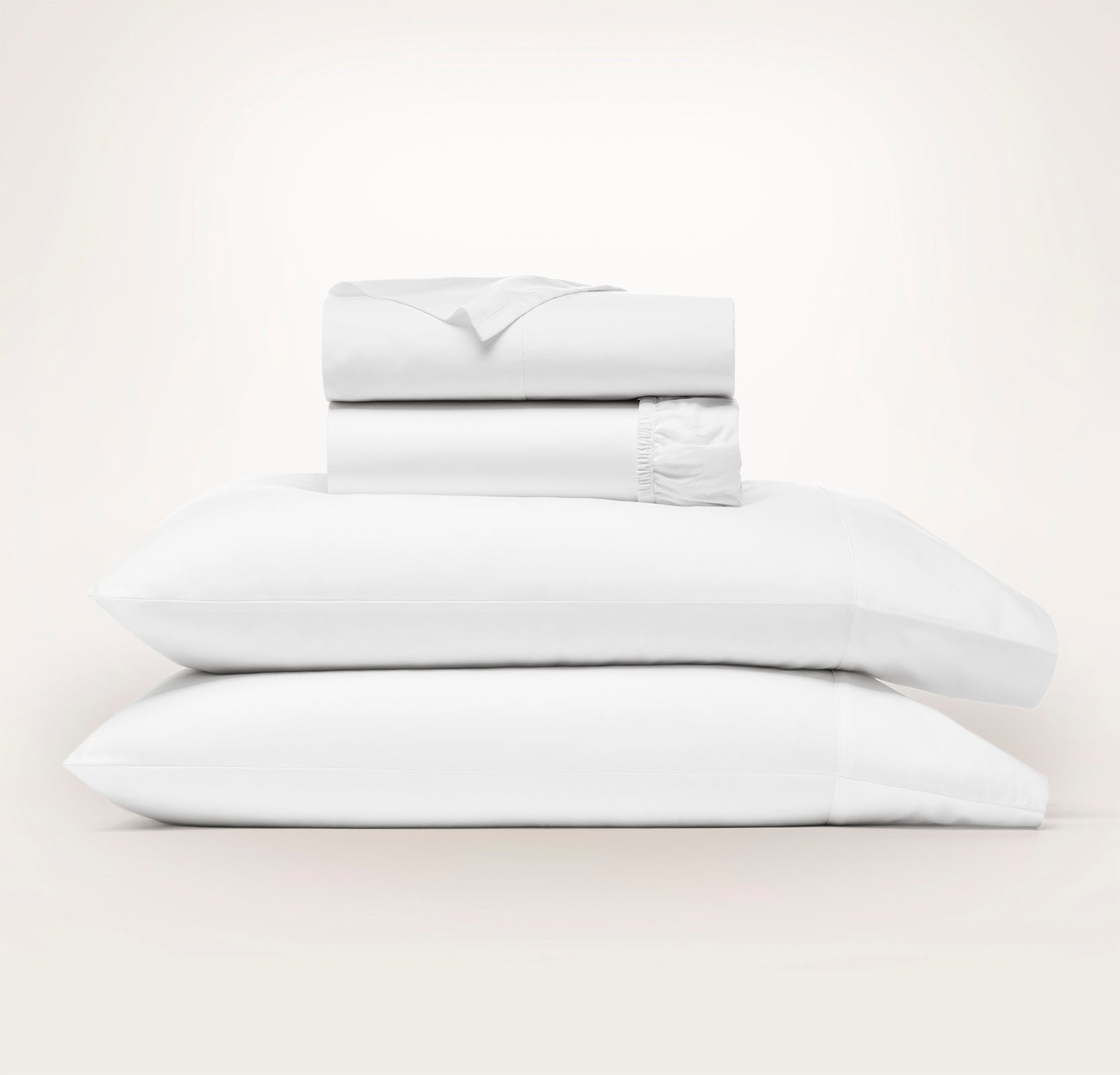
| Sheets | Cozy Earth Bamboo Sheet Set | $219 |
| Topper (optional) | Tempur-Pedic TEMPUR-Adapt Topper | $449 |
| Setup total (excludes optional items) | $3,355 | |
Queen or standard sizes, at the prices recorded in our reviews. A frame or foundation is not included. Prices change often — check the retailer before budgeting.
* We may earn a commission through affiliate links. This doesn't affect our reviews.
1. Mattress: support and a firmer starting point
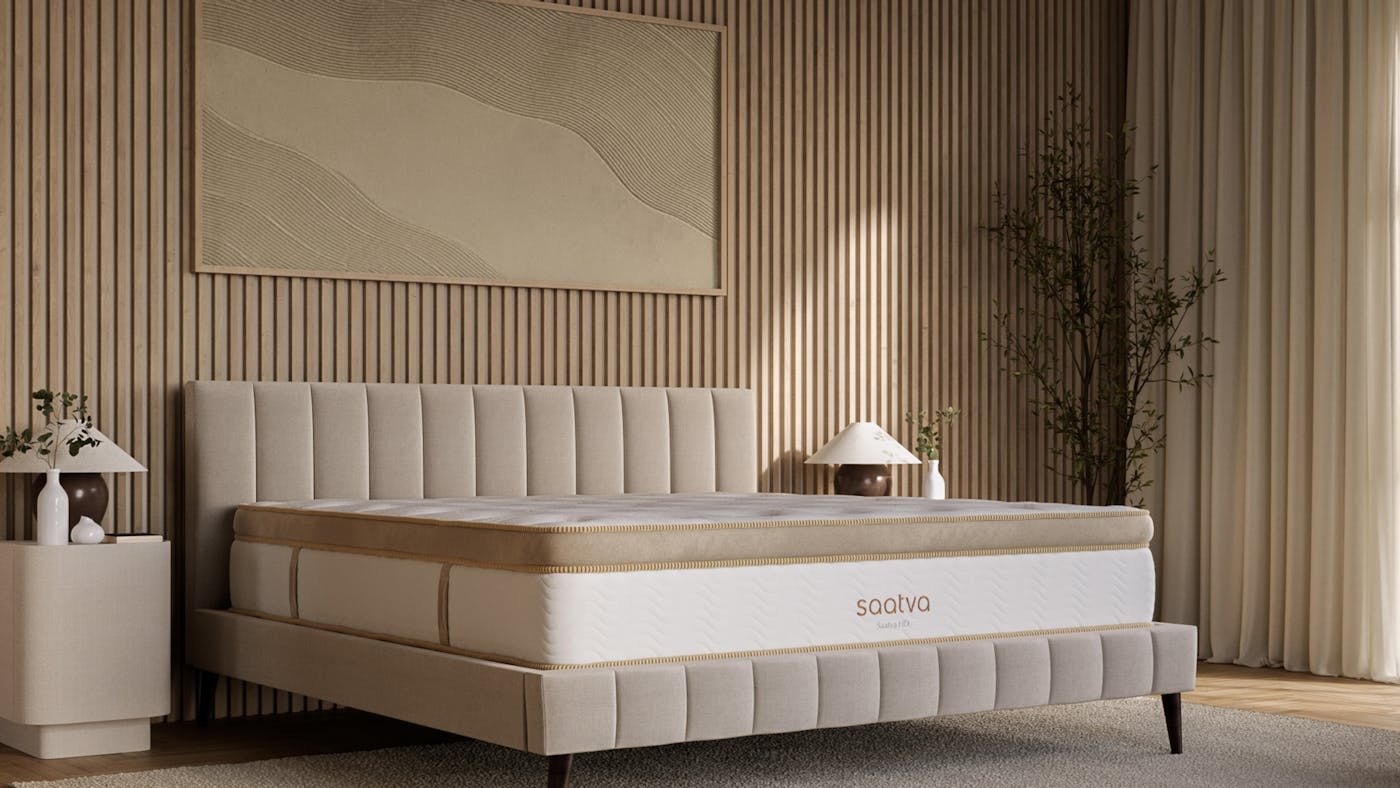
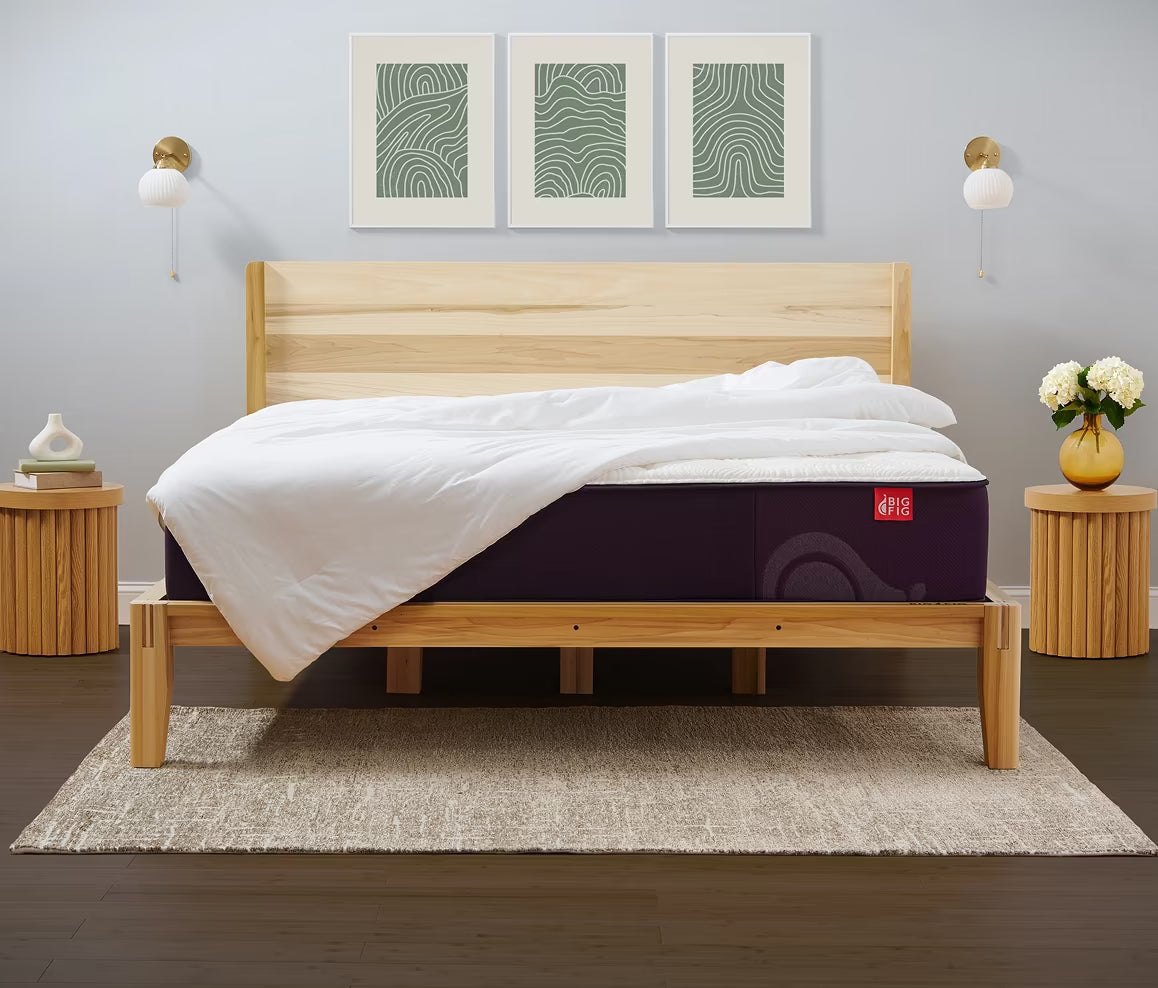
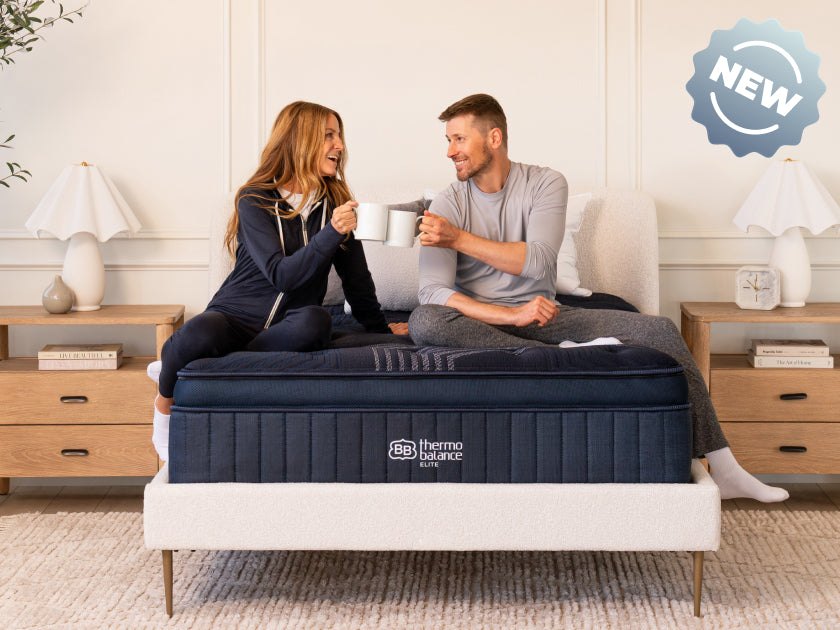
A thick coil unit or a dense foam core keeps the hips level. Deep plush comfort layers are what compress first, so a firmer build with a thinner comfort layer lasts longer under higher load.
Scored from our published mattress ratings, firmness 6–9/10. One model per brand.
2. Base: check the published weight capacity
Capacity is the specification that matters here and it varies widely between models. Read the manufacturer's stated limit for the exact size — and remember the figure usually covers mattress plus sleepers.
Scored from our published base ratings. One model per brand.


3. Pillow: fill that holds its height
Broader shoulders open a bigger gap between the head and the mattress, and a pillow that flattens by midnight puts the neck at an angle all night. Adjustable and firm-support fills hold up better.
Scored from our published pillow ratings. One model per brand. Full category guide: Best pillows for heavy side sleepers.

4. Protector: it will be washed often
Protectors take more load and more laundering in this setup. Durability matters more than the softest hand-feel, and the stain exclusion in most mattress warranties makes the protector the cheapest insurance in the bed.
Scored from our published protector ratings. One model per brand.

5. Sheets: seams and elastic do the work
Sheets fail at the corners first when they are pulled hard every night. Heavier weaves and better elastic last longer, and deep pockets matter once a topper is in the stack.
Scored from our published sheets ratings. One model per brand.

6. Topper (optional): add softness you can replace
If the firmer mattress is too firm at the shoulder, a topper is the cheap fix — and the part you replace in three years instead of replacing the mattress.
Scored from our published topper ratings. One model per brand.

Why firmer usually wins here
The goal is keeping your hips in line with your shoulders. A softer mattress lets the heaviest part of the body drop, and once the hips sit lower than the shoulders, no pillow choice will fix the resulting alignment.
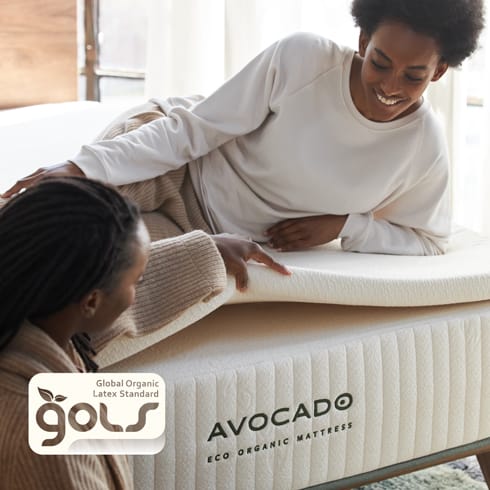
A firmer surface can feel unforgiving at the shoulder, especially for side sleepers. The answer is not a softer mattress — it is a firmer mattress with a topper on it, because the topper can be replaced when it compresses and the core underneath keeps doing its job.
Edges and getting in and out
Edge support does more than stop you rolling out. If the perimeter collapses when you sit on it to put shoes on, the usable surface of the bed shrinks and the edge wears faster than the middle. This setup weights edge support heavily for that reason.
Reinforced coil perimeters generally hold up better than foam rails under repeated sitting.
What to check before you order
The base's published weight capacity for that exact size, the mattress warranty's body-impression threshold (the depth of sag it will actually cover), and whether the warranty requires a specific slat spacing or centre support on the frame you own.
Those three details decide whether a claim succeeds in year five, and none of them appear on the product page headline.
Frequently Asked Questions
What firmness suits a heavier sleeper?
Generally firmer than the same person would choose at a lower body weight, because more weight sinks further into the same surface. This setup scores mattresses in the firmer half of our scale and then adds softness with a topper if the shoulder needs it.
Do mattresses wear out faster at higher body weight?
Comfort layers compress sooner under higher load, which is why this setup weights durability as heavily as support and prefers thinner comfort layers over deep plush ones.
How much weight can an adjustable base take?
It varies widely by model, and the published figure normally covers the mattress plus everyone on it. Check the manufacturer's stated capacity for the exact size before ordering — do not assume from the price.
Is a topper a good idea or a compromise?
Here it is a deliberate strategy. A firm, durable core plus a replaceable topper gives you the comfort of a softer bed without the sag, and the topper is the cheap part to replace when it flattens.