Birch Organic Wool Topper
Wool handles moisture well and adds a thin cushioning layer without changing firmness much.
GOTS Certified Organic Wool + Organic Cotton Shell · 1.5 inches · Plush (3/10) · 100 nights trial · 10 years
Updated September 2026 · Specs verified September 14, 2026
A topper is the middle option between new sheets and a new mattress. These 6 are ranked on airflow, pressure relief and durability — and we are clear about what a topper can and cannot change.
* We may earn a commission through affiliate links. This doesn't affect our reviews.

Wool handles moisture well and adds a thin cushioning layer without changing firmness much.
GOTS Certified Organic Wool + Organic Cotton Shell · 1.5 inches · Plush (3/10) · 100 nights trial · 10 years

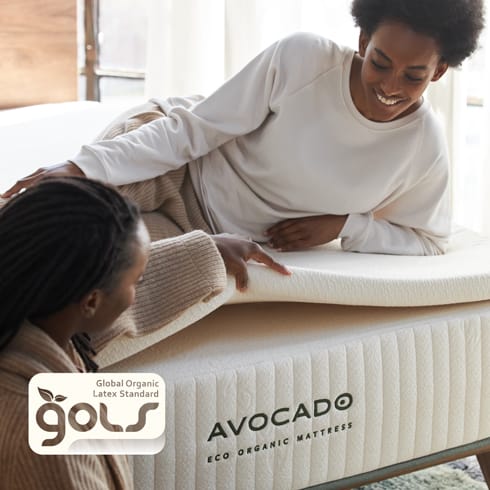
GOLS-certified organic latex in an organic cotton cover, for people shopping certifications as well as feel.
GOLS Certified Organic Dunlop Latex · 2 inches · Medium (6/10) · 100 nights trial · 1 year

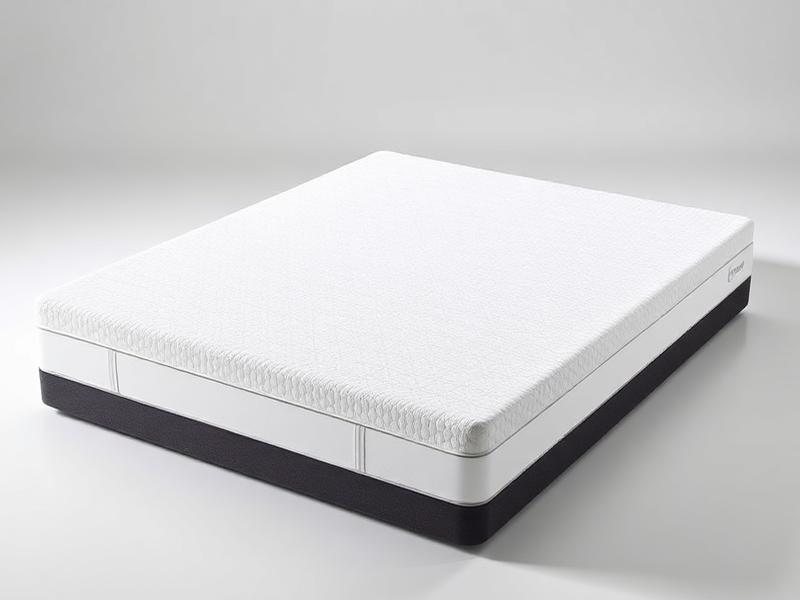
Pinhole-ventilated Dunlop latex: springy, doesn't hug the body, and the open cell structure lets air move rather than pooling heat.
100% Natural Dunlop Latex · 2 inches (also 3 inches) · Soft / Medium / Firm · 100 nights trial · 5 years

Graphite-infused memory foam: the plushest option here, and the one most likely to feel warmer than latex or wool.
Graphite-Infused Memory Foam · 3 inches · Medium Soft (4/10) · 180 nights trial · 1 year

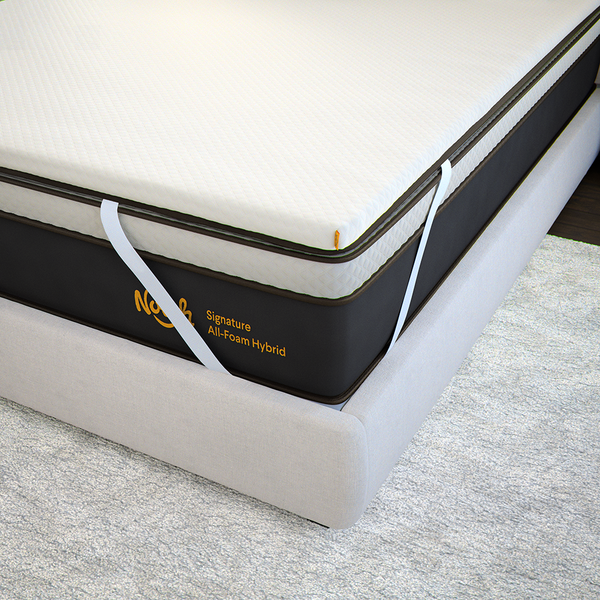
Temperature-neutral polyfoam that cushions without the dense, heat-holding feel of traditional memory foam.
AirFoam (temperature-neutral polyfoam) · 2 inches · Plush (3.5/10) or Luxury Firm (6/10) · 30 nights trial · 1 year

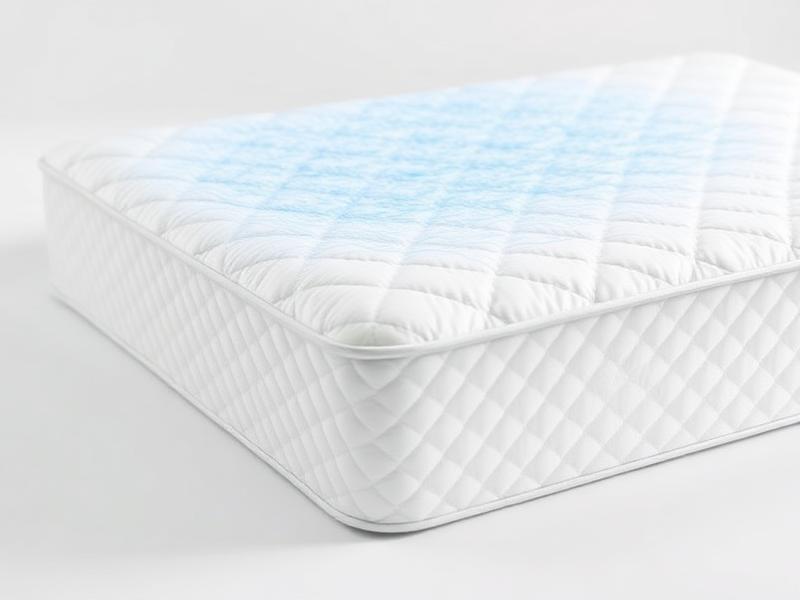
Gel and phase-change treated memory foam — deeper contouring than latex, with cooling treatments to offset foam's tendency to hold warmth.
Gel-Infused Memory Foam with PCM · 3 inches · Medium Soft (4.5/10) · 90 days trial · 5 years
| Topper | Best for | Material | Thickness | Firmness | Cooling | Pressure relief | Durability | Queen price | Trial | Warranty |
|---|---|---|---|---|---|---|---|---|---|---|
| Birch Organic Wool Topper | Best overall | GOTS Certified Organic Wool + Organic Cotton Shell | 1.5 inches | Plush (3/10) | 9.3/10 | 9.4/10 | 9.2/10 | $449 | 100 nights | 10 years |
| Avocado Eco Organic Topper (Medium) | Best organic | GOLS Certified Organic Dunlop Latex | 2 inches | Medium (6/10) | 9/10 | 9.1/10 | 9.3/10 | $449 | 100 nights | 1 year |
| Sleep On Latex Pure Green Topper | Best latex | 100% Natural Dunlop Latex | 2 inches (also 3 inches) | Soft / Medium / Firm | 9.2/10 | 8.5/10 | 9.5/10 | $199 | 100 nights | 5 years |
| Saatva Graphite Memory Foam Topper | Best plush memory foam | Graphite-Infused Memory Foam | 3 inches | Medium Soft (4/10) | 8.8/10 | 9/10 | 8.5/10 | $295 | 180 nights | 1 year |
| Nolah Mattress Topper | Best temperature-neutral foam | AirFoam (temperature-neutral polyfoam) | 2 inches | Plush (3.5/10) or Luxury Firm (6/10) | 8.6/10 | 9.1/10 | 8.3/10 | $299 | 30 nights | 1 year |
| ViscoSoft Active Cooling Topper | Best for pressure relief | Gel-Infused Memory Foam with PCM | 3 inches | Medium Soft (4.5/10) | 8.5/10 | 8.5/10 | 7.5/10 | $129 | 90 days | 5 years |
Ratings are SleepSage editorial assessments of materials and construction, not temperature measurements.
Material sets the ceiling. Ventilated latex and wool breathe best; gel, graphite and copper memory foams improve on plain memory foam but still contour closely; open-cell polyfoam sits between the two.
Thickness is a trade-off. Thicker means more pressure relief and more material between you and the mattress; two inches is the usual balance.
Airflow depends on structure — pinholes, convoluted profiles and natural fibre lofts all move air; a solid slab of dense foam does not.
Responsiveness decides how easy it is to turn over. Latex springs back immediately; memory foam holds the impression briefly.
Firmness change is the point of the purchase. Be clear whether you want the bed softer, firmer or simply cooler at the surface, because those need different toppers.
Whether it suits your mattress. On a bed with deep foam that already sleeps warm, a topper improves the surface but cannot ventilate what is underneath. In that case sheets plus a breathable protector, or eventually a different mattress, does more.
Only partly. A topper changes the surface you lie on, so a breathable latex or wool layer over dense foam can feel noticeably different. What it cannot do is add airflow to the deep foam underneath — if the mattress traps heat several inches down, a topper softens the symptom rather than removing it.
Ventilated latex and wool generally move the most air, because both sit under you rather than enclosing you. Gel and graphite memory foam feel cooler than plain memory foam but still contour closely. Open-cell polyfoam sits in between.
Two inches is the common all-round choice. One to one and a half inches mostly changes surface feel without much pressure relief; three inches changes the feel of the bed substantially and puts more material between you and the mattress airflow.
Most soften it. A firm latex topper can make a very soft bed feel more supportive, but as a rule the topper's own firmness dominates the first couple of inches of feel.
It is a reasonable stopgap when the mattress is structurally sound but the surface feel is wrong. It will not fix sagging, a broken support core or a bed past its useful life.
Keep exploring
Before you buy, read the brand: construction, pricing bands, trial and warranty terms, and how each company's lineup performed in our Encinitas lab.
Hand-picked guides and reviews from our editorial team.
Cooling, pressure relief and value picks for menopause and hot flashes.
Breathable weaves and fibres for night sweats.
Lab-measured surface-temperature winners.
Which cooling tech actually works.
Latex, wool, and ventilated foams for hot sleepers.
When a topper beats a new mattress.