Why Each Pick Works for Back Sleepers
What each mattress does for the lumbar curve and the pelvis, who it suits by body weight, and where it gives something up.
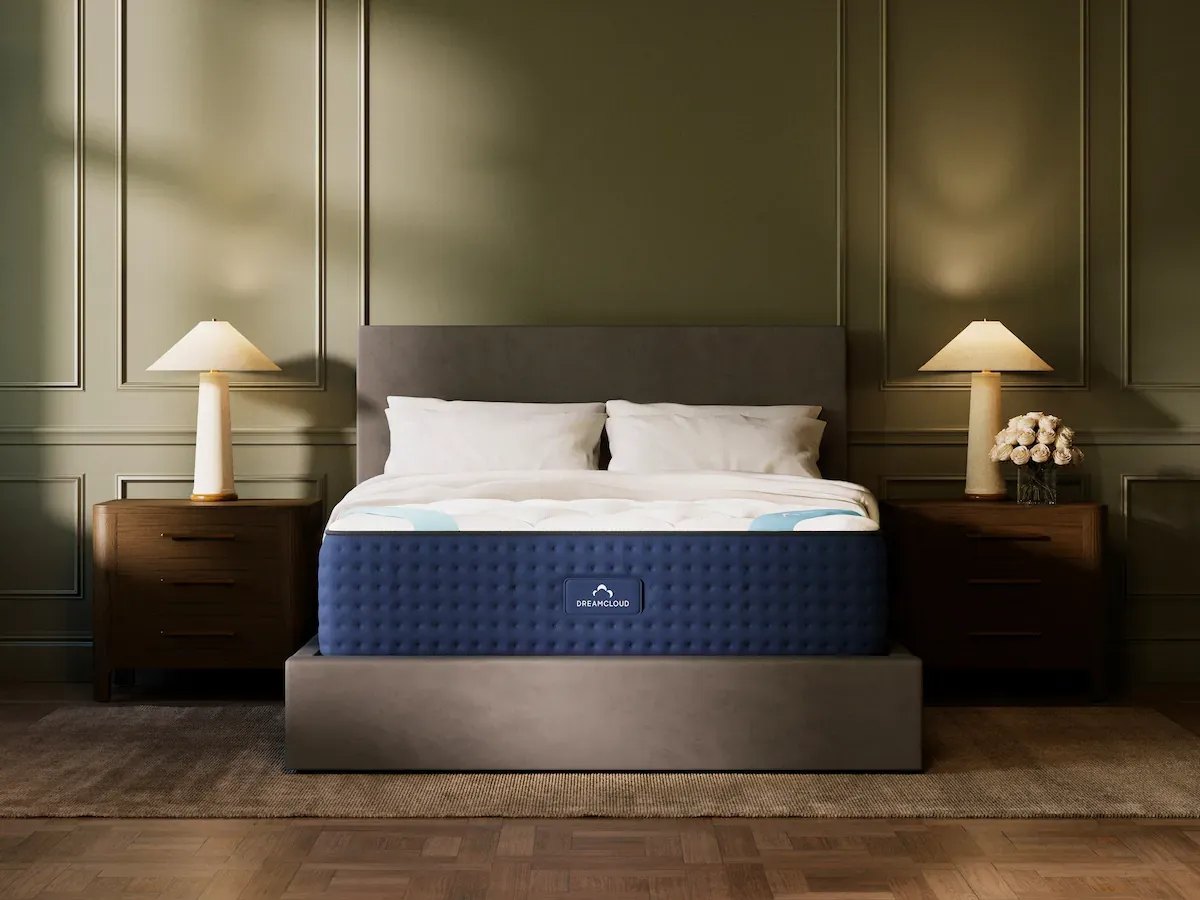
A medium 6.5/10 hybrid build scoring 9.7/10 for support and 9.5/10 for pressure relief. Lying on your back, that means the support core keeps the pelvis from dropping below the ribcage while the comfort layer still makes contact under the lumbar curve instead of leaving a gap there. In our lab, hip sinkage under a back-lying load measured 2.1 in.
The DreamCloud Premier Hybrid is our top-rated mattress for 2026, offering an exceptional balance of luxury comfort and supportive design. With its cashmere-blend cover and gel-infused memory foam, it delivers hotel-quality sleep at a price that won't break the bank. The 13-inch profile includes individually wrapped coils for responsive support and excellent edge stability.
- Construction
- Hybrid · 13 inches
- Lumbar support
- 9.7/10
- Pressure relief
- 9.5/10
- Cooling
- 9.2/10
- Edge support
- 9.4/10
- Durability
- 9.6/10
- Body weight suited to
- 130–230 lb
- Sleep trial
- 365 nights
- Warranty
- Forever Warranty (lifetime, limited)
- Price (Queen)
- $1,099
Pros
- Outstanding pressure relief for all sleep positions
- Premium cashmere-blend quilted cover
- Excellent edge support for couples
- 365-night trial - longest in industry
Cons
- May be too firm for lightweight side sleepers
- Initial off-gassing for first 24-48 hours
- Heavy (over 100 lbs) - difficult to move
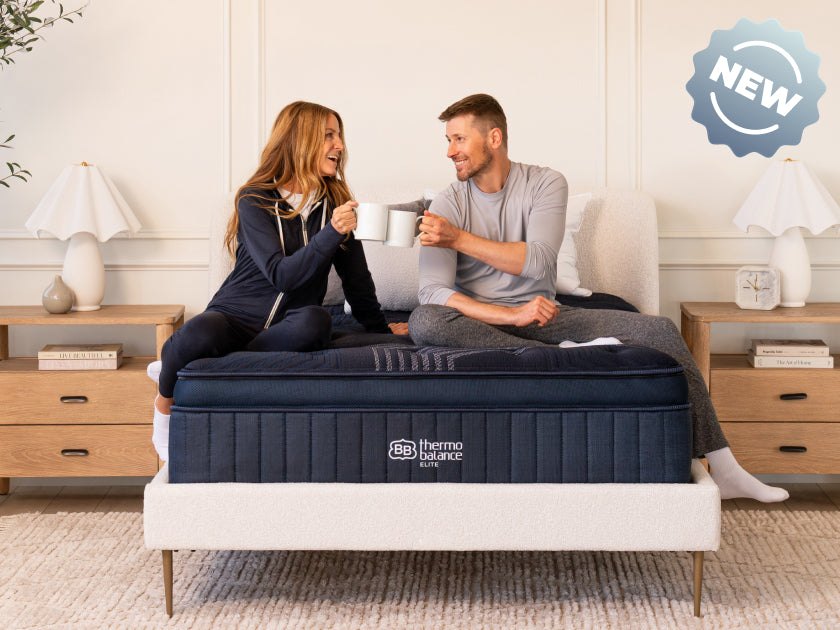
A medium 6.0/10 hybrid build scoring 9.5/10 for support and 9.6/10 for pressure relief. Lying on your back, that means the support core keeps the pelvis from dropping below the ribcage while the comfort layer still makes contact under the lumbar curve instead of leaving a gap there. This model has not completed our physical lab testing protocol, so its scores come from a research evaluation of the manufacturer's published construction rather than measurements we took.
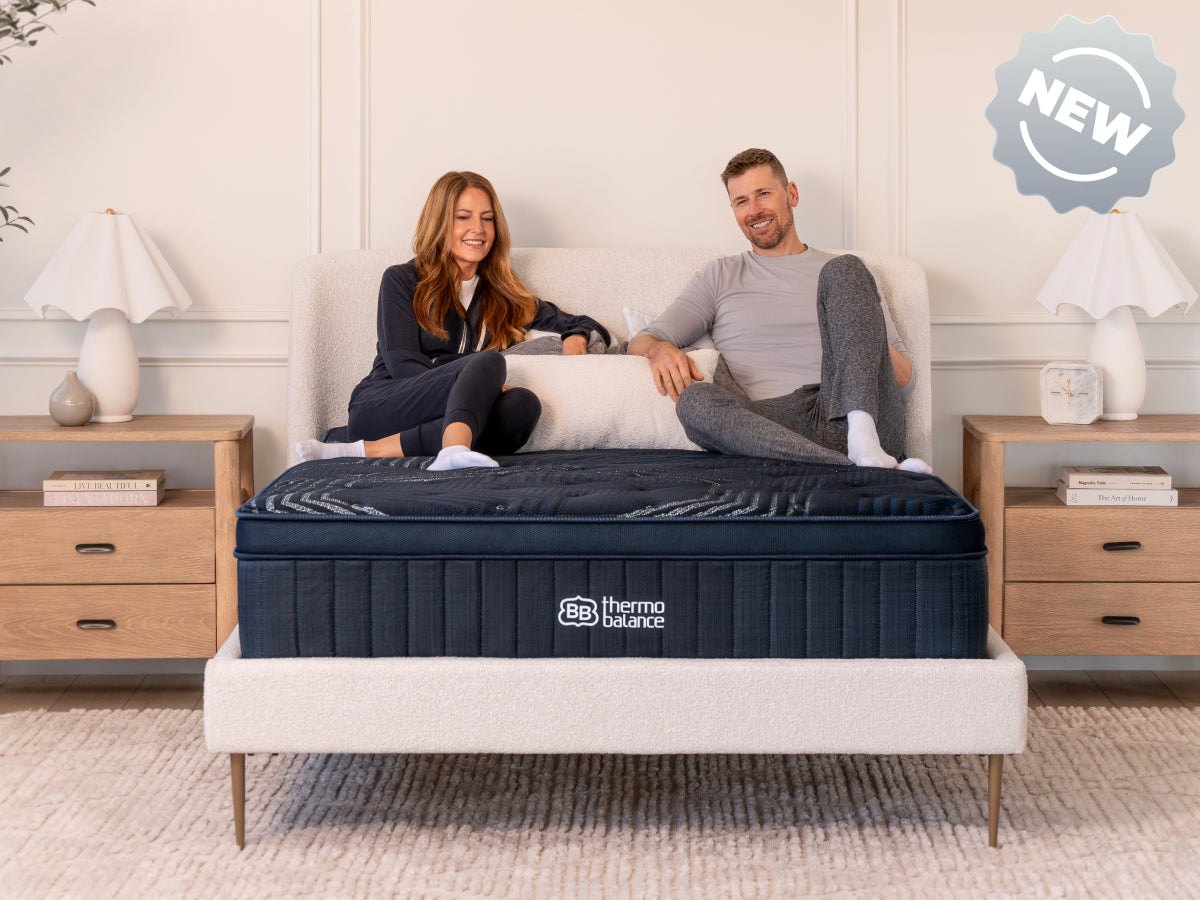
The Brooklyn Bedding ThermoBalance Elite is the flagship of the ThermoBalance collection, adding HD 5.0 memory foam, zoned lumbar support, and upgraded 8-inch Ascension Max coils to the already impressive cooling system. With 11 meticulously engineered layers including ThermoCool cover, ThermoPhase foam, and copper-infused HD 4.0 memory foam, this is Brooklyn Bedding's most advanced cooling mattress ever. Available in soft, medium, and firm, the Elite is designed for sleepers who want zero compromises on both cooling and comfort.
- Construction
- Hybrid · 14.5 inches
- Lumbar support
- 9.5/10
- Pressure relief
- 9.6/10
- Cooling
- 9.9/10
- Edge support
- 9.2/10
- Durability
- 9.5/10
- Body weight suited to
- 130–230 lb
- Sleep trial
- 120 nights
- Warranty
- Limited Lifetime
- Price (Queen)
- $1,749
Pros
- Best-in-class cooling with ThermoCool + ThermoPhase + copper foam triple system
- 11-layer construction with HD 5.0 and HD 4.0 memory foam for premium comfort
- 3-zone lumbar support for targeted spinal alignment
- Ascension Max coils deliver superior motion isolation and edge support
Cons
- Premium price point — $1,749+ on sale
- 120-night trial shorter than many competitors
- Heavy mattress due to 11-layer construction — hard to move
- Relatively new model with limited long-term reviews
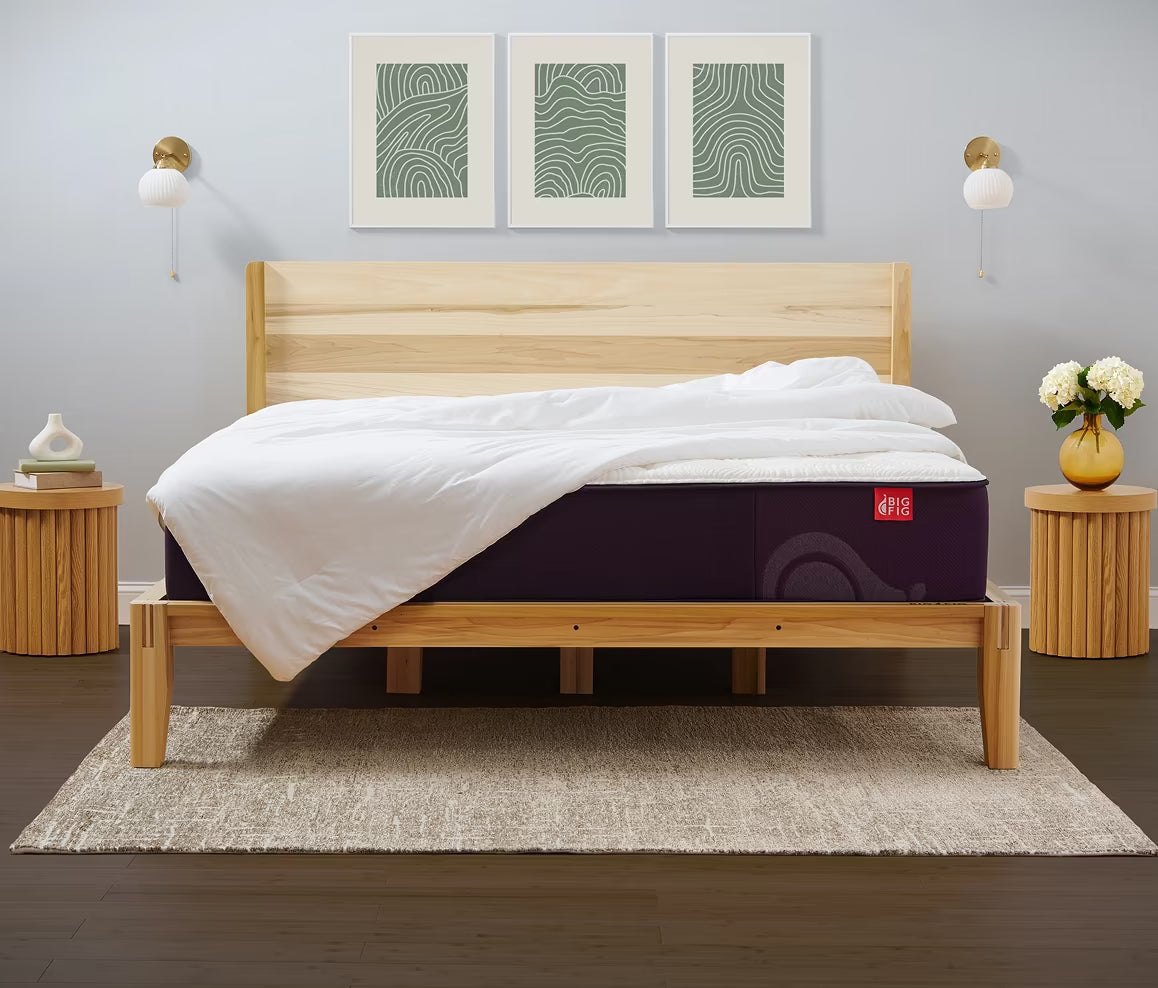
A medium firm 7.0/10 hybrid build scoring 9.6/10 for support and 8.9/10 for pressure relief. Lying on your back, that means the support core keeps the pelvis from dropping below the ribcage while the comfort layer still makes contact under the lumbar curve instead of leaving a gap there. This model has not completed our physical lab testing protocol, so its scores come from a research evaluation of the manufacturer's published construction rather than measurements we took.
Big Fig is the only mattress specifically designed for heavier individuals (300+ lbs). With reinforced edges, extra-strength coils, and a ThermoGel layer, it provides the support and durability that plus-size sleepers need.
- Construction
- Hybrid · 13 inches
- Lumbar support
- 9.6/10
- Pressure relief
- 8.9/10
- Cooling
- 9.2/10
- Edge support
- 9.5/10
- Durability
- 9.7/10
- Body weight suited to
- 130–230 lb · Over 230 lb
- Sleep trial
- 120 nights
- Warranty
- 20 years
- Price (Queen)
- $1,499
Pros
- Designed for 300+ lb sleepers
- Exceptional edge support
- Extra-durable construction
- Includes free foundation
Cons
- Too firm for lighter individuals
- Premium pricing
- Limited firmness options
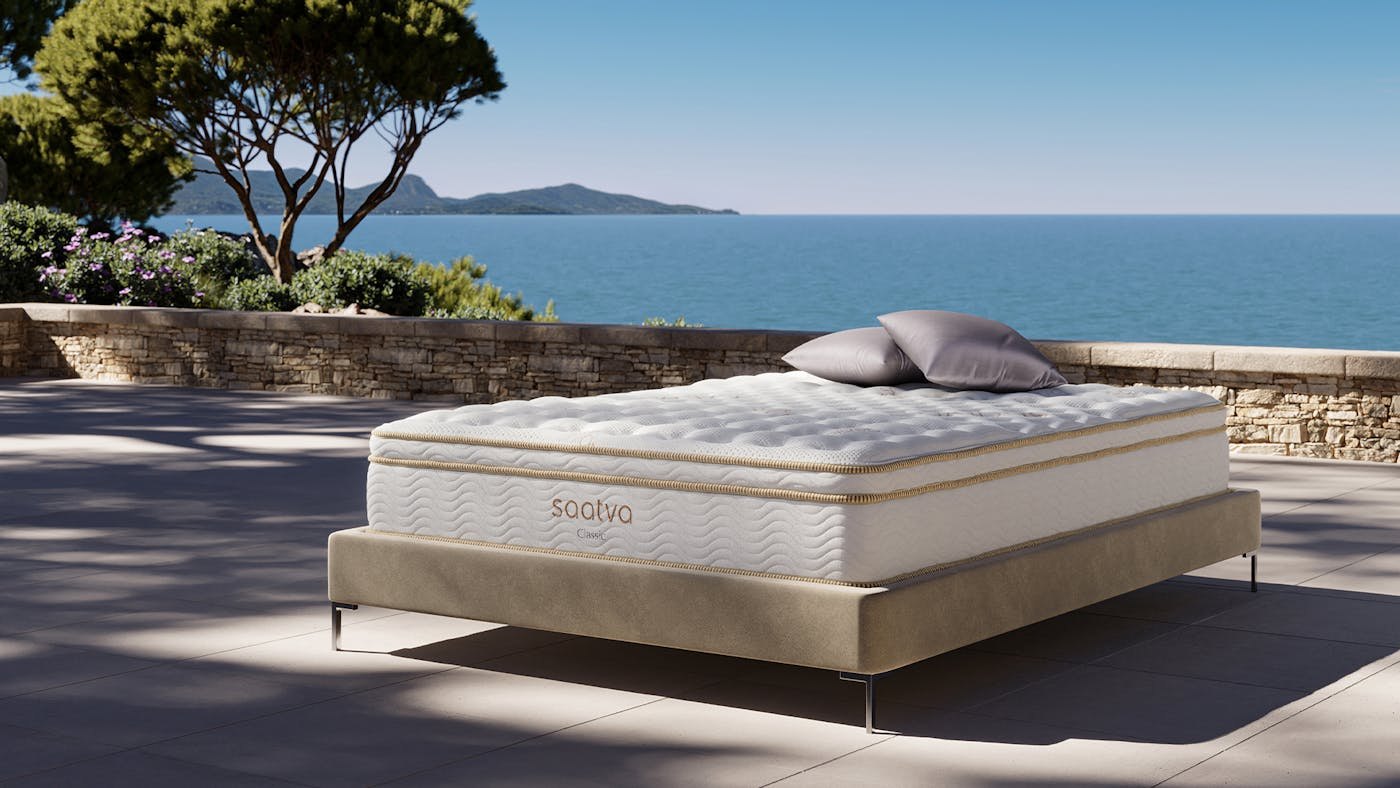
A medium 6.0/10 hybrid build scoring 9.6/10 for support and 9.3/10 for pressure relief. Lying on your back, that means the support core keeps the pelvis from dropping below the ribcage while the comfort layer still makes contact under the lumbar curve instead of leaving a gap there. In our lab, hip sinkage under a back-lying load measured 1.6 in.
The Saatva Classic brings old-world craftsmanship to the modern mattress. This dual-coil innerspring design offers exceptional support and breathability, with a Euro pillow top for plush comfort. The free white glove delivery includes setup and old mattress removal.
- Construction
- Hybrid · 14.5 inches
- Lumbar support
- 9.6/10
- Pressure relief
- 9.3/10
- Cooling
- 9.4/10
- Edge support
- 9.7/10
- Durability
- 9.5/10
- Body weight suited to
- Over 230 lb
- Sleep trial
- 365 nights
- Warranty
- Lifetime
- Price (Queen)
- $1,295
Pros
- Free white glove delivery and setup
- Exceptional breathability - sleeps very cool
- Outstanding edge support for sitting
- Eco-friendly and CertiPUR-US certified
Cons
- More motion transfer than foam mattresses
- Higher price point
- May be too bouncy for some
A medium 6.0/10 hybrid build scoring 9.2/10 for support and 9.4/10 for pressure relief. Lying on your back, that means the support core keeps the pelvis from dropping below the ribcage while the comfort layer still makes contact under the lumbar curve instead of leaving a gap there. This model has not completed our physical lab testing protocol, so its scores come from a research evaluation of the manufacturer's published construction rather than measurements we took.
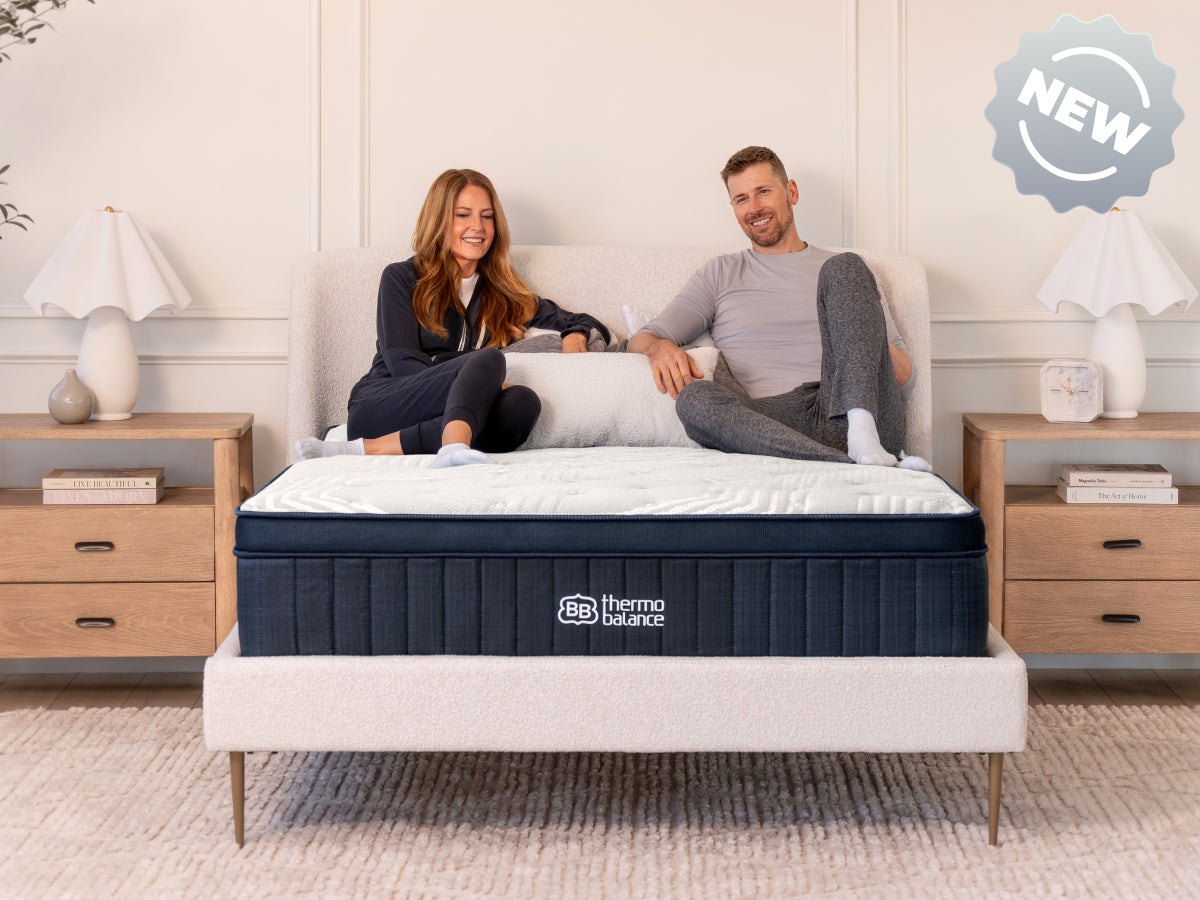
The Brooklyn Bedding ThermoBalance is the brand's flagship cooling mattress, featuring their proprietary ThermoCool cover and ThermoPhase change material that actively absorbs and releases heat to maintain an ideal sleep temperature. Built with HD 4.0 copper-infused memory foam over individually pocketed Ascension coils, it delivers exceptional pressure relief while sleeping noticeably cooler than competitors. This is one of the best cooling mattresses we've tested, and Brooklyn Bedding's factory-direct model keeps the price competitive for a luxury hybrid.
- Construction
- Hybrid · 14 inches
- Lumbar support
- 9.2/10
- Pressure relief
- 9.4/10
- Cooling
- 9.8/10
- Edge support
- 9.0/10
- Durability
- 9.3/10
- Body weight suited to
- 130–230 lb
- Sleep trial
- 120 nights
- Warranty
- Limited Lifetime
- Price (Queen)
- $1,282
Pros
- Industry-leading cooling with ThermoCool + ThermoPhase technology
- Copper-infused HD memory foam for pressure relief and antimicrobial benefits
- Excellent motion isolation for couples
- Factory-direct pricing — no middleman markup
Cons
- Higher price point than Brooklyn Bedding's other models
- 120-night trial is shorter than some competitors
- Only 10-year warranty (many competitors offer lifetime)
- New model with limited long-term durability data
A medium 6.0/10 memory foam build scoring 9.2/10 for support and 9.6/10 for pressure relief. Lying on your back, that means the support core keeps the pelvis from dropping below the ribcage while the comfort layer still makes contact under the lumbar curve instead of leaving a gap there. In our lab, hip sinkage under a back-lying load measured 2.4 in.
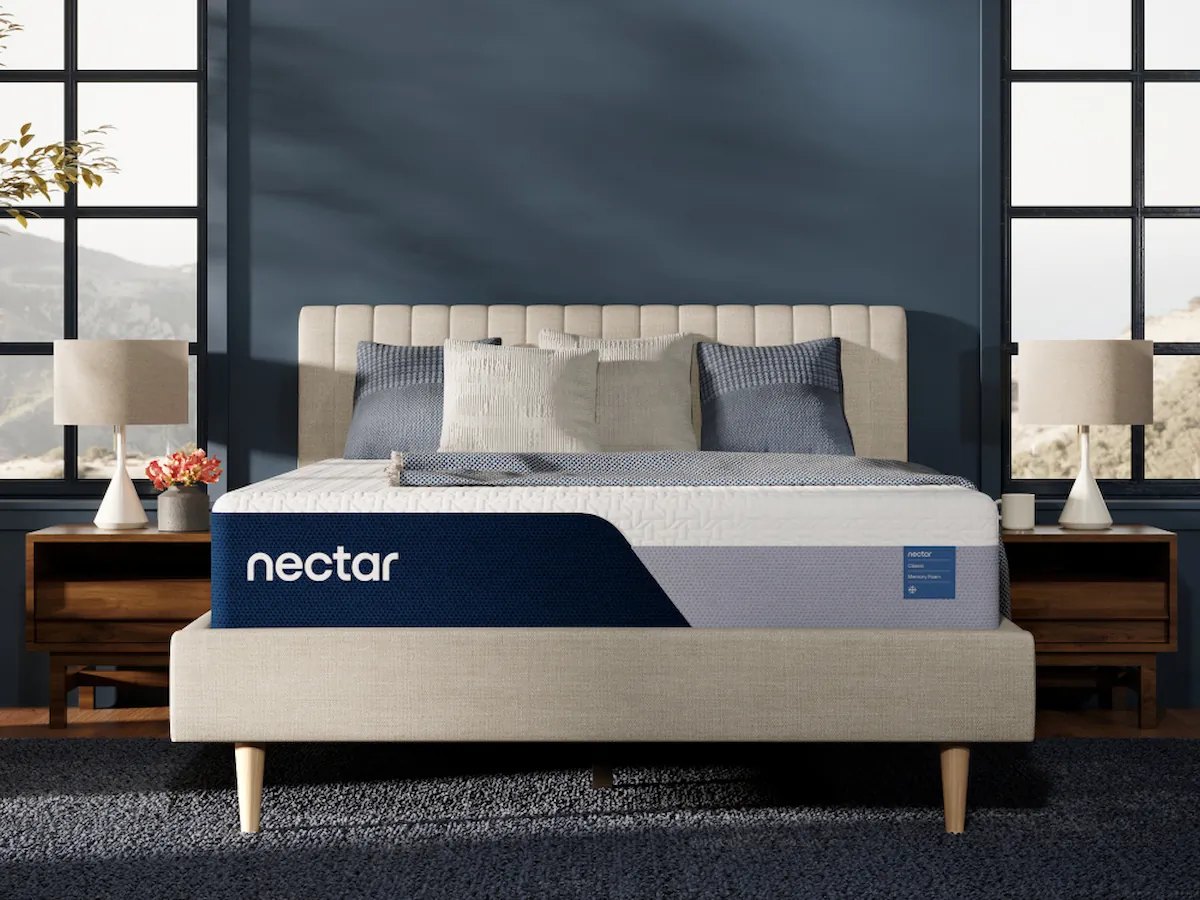
The Nectar Memory Foam mattress has earned its reputation as the best value in the industry. With a forever warranty and 365-night trial, Nectar stands behind their product completely. The medium-firm feel works well for most sleepers, and the pressure-relieving memory foam is particularly loved by side sleepers.
- Construction
- Memory Foam · 12 inches
- Lumbar support
- 9.2/10
- Pressure relief
- 9.6/10
- Cooling
- 8.8/10
- Edge support
- 8.5/10
- Durability
- 9.3/10
- Body weight suited to
- 130–230 lb
- Sleep trial
- 365 nights
- Warranty
- Forever Warranty
- Price (Queen)
- $699
Pros
- Exceptional value - premium feel at budget price
- Forever warranty - unprecedented coverage
- Outstanding motion isolation for couples
- Ideal pressure relief for side sleepers
Cons
- May sleep warm for some hot sleepers
- Edge support not as strong as hybrids
- Slower response time than latex or hybrid
A medium 6.0/10 latex build scoring 9.4/10 for support and 9.3/10 for pressure relief. Lying on your back, that means the support core keeps the pelvis from dropping below the ribcage while the comfort layer still makes contact under the lumbar curve instead of leaving a gap there. This model has not completed our physical lab testing protocol, so its scores come from a research evaluation of the manufacturer's published construction rather than measurements we took.
The Brooklyn Bedding ThermoBalance LX combines the collection's signature ThermoCool and ThermoPhase cooling technology with naturally breathable Talalay latex for a uniquely responsive, cool-sleeping experience. Where the standard ThermoBalance uses all-foam comfort layers, the LX swaps in Talalay latex for a bouncier, more responsive feel that also happens to be one of the most durable materials in the mattress industry. It's ideal for sleepers who want cooling tech but prefer the springy, lifted feel of latex over the slow hug of memory foam.
- Construction
- Latex · 13.5 inches
- Lumbar support
- 9.4/10
- Pressure relief
- 9.3/10
- Cooling
- 9.7/10
- Edge support
- 9.1/10
- Durability
- 9.6/10
- Body weight suited to
- Under 130 lb
- Sleep trial
- 120 nights
- Warranty
- Limited Lifetime
- Price (Queen)
- $1,374
Pros
- Talalay latex provides natural cooling, responsiveness, and exceptional durability
- ThermoCool + ThermoPhase cooling system combined with latex's natural breathability
- More responsive and bouncy than memory foam alternatives — easy to reposition
- Naturally hypoallergenic and antimicrobial latex construction
Cons
- Slightly less motion isolation than the all-foam ThermoBalance models
- Latex feel is polarizing — some prefer memory foam's deep hug
- 120-night trial and limited lifetime warranty
- No reviews yet from long-term users — brand new model
A medium 6.0/10 hybrid build scoring 9.4/10 for support and 9.1/10 for pressure relief. Lying on your back, that means the support core keeps the pelvis from dropping below the ribcage while the comfort layer still makes contact under the lumbar curve instead of leaving a gap there. In our lab, hip sinkage under a back-lying load measured 2.1 in.
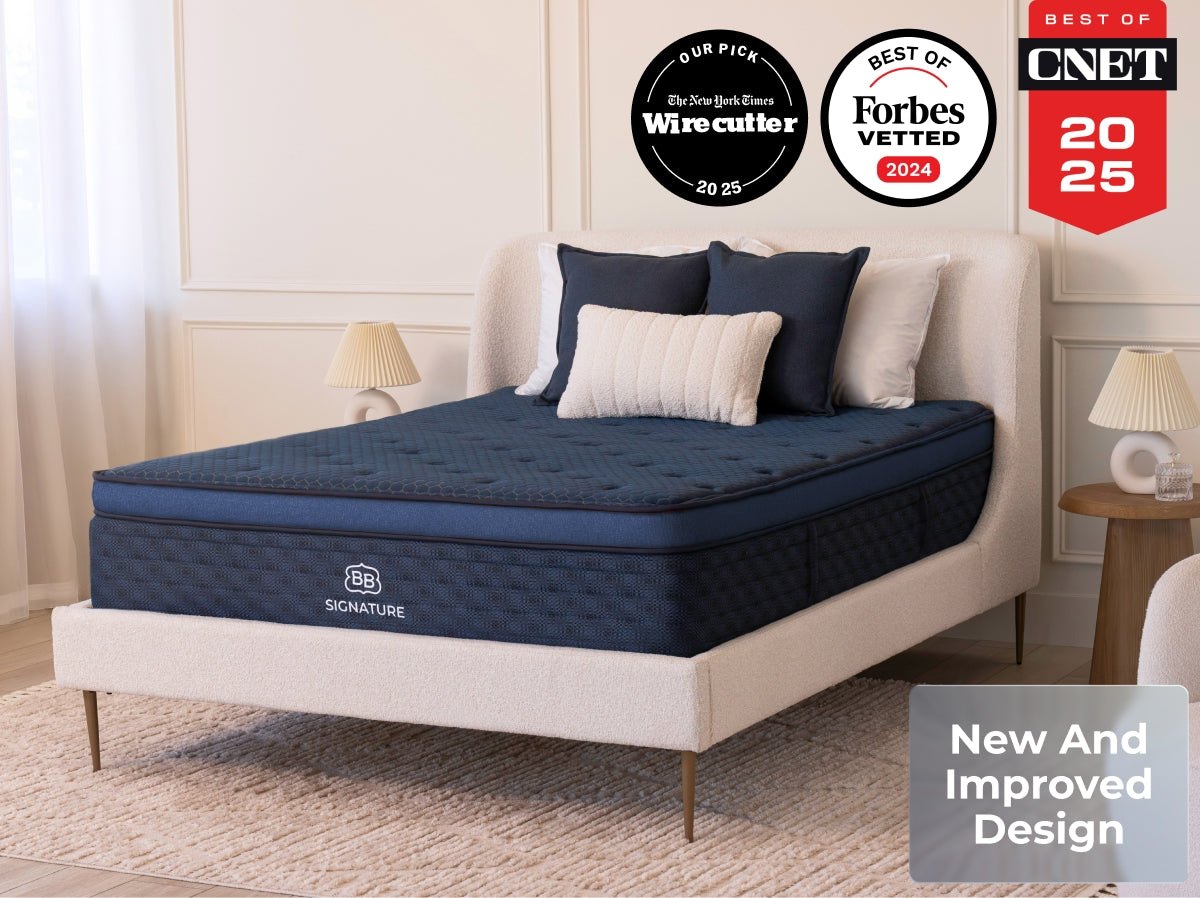
Brooklyn Bedding manufactures their own mattresses, cutting out the middleman to deliver exceptional value. The Signature Hybrid is particularly good for back pain sufferers thanks to its zoned support system.
- Construction
- Hybrid · 11.5 inches
- Lumbar support
- 9.4/10
- Pressure relief
- 9.1/10
- Cooling
- 9.0/10
- Edge support
- 9.1/10
- Durability
- 9.2/10
- Body weight suited to
- 130–230 lb
- Sleep trial
- 120 nights
- Warranty
- 10 years
- Price (Queen)
- $749
Pros
- Three firmness options (Soft, Medium, Firm)
- Excellent value - factory direct pricing
- Great for back pain relief
- Responsive hybrid feel
Cons
- Less name recognition
- Shorter warranty than some competitors
- May be too firm in Firm option
A medium 6.0/10 innerspring build scoring 9.7/10 for support and 9.8/10 for pressure relief. Lying on your back, that means the support core keeps the pelvis from dropping below the ribcage while the comfort layer still makes contact under the lumbar curve instead of leaving a gap there. This model has not completed our physical lab testing protocol, so its scores come from a research evaluation of the manufacturer's published construction rather than measurements we took.
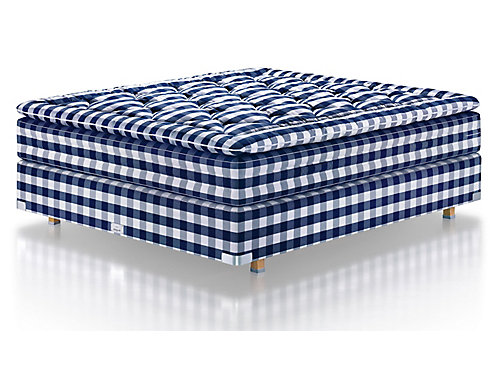
The 2000T is the bed Hästens built its modern reputation on: a three-part system of base frame, mattress, and topper, all constructed around the material Hästens has used since 1852 — hand-teased horsehair. Horsehair acts like millions of tiny natural springs and moves moisture away from the sleeper better than any foam or down fill we have tested, which is why the 2000T sleeps cooler than beds with active cooling systems costing a tenth as much. The comfort story is the hand-laid layering: cotton and wool batting are cross-stitched in alternating directions around a pocket-spring core, so the surface gives gently at the shoulder while the midsection stays level. The catch is purchase process and price. Hästens is sold through its own stores and sleep spas, starting around $28,000 for the base 2000T setup in Queen and climbing past $45,000 with the signature topper and accessories — and there is no online checkout or home trial. This is a buy-forever bed; Hästens beds routinely stay in service for 25 years or more.
- Construction
- Innerspring · 18 inches (with topper)
- Lumbar support
- 9.7/10
- Pressure relief
- 9.8/10
- Cooling
- 9.9/10
- Edge support
- 9.5/10
- Durability
- 9.9/10
- Body weight suited to
- 130–230 lb
- Sleep trial
- In-store fitting; no home trial
- Warranty
- 25 years (pro-rated after year 5)
- Price (Queen)
- $36,000
Pros
- Hand-teased horsehair breathes better than any synthetic fill — exceptional temperature neutrality
- Fully handcrafted in Köping, Sweden; each bed signed by its builder
- Expected service life of 25+ years — the strongest durability case in the category
- Custom spring tension tuned to your body weight and sleep position
Cons
- $28,000–$45,000+ puts it beyond most households
- No home trial — you commit after an in-store fitting
- Requires Hästens base and topper to perform as designed; the mattress alone is not the product
- Heavy natural fills need periodic professional turning and airing