Why Each One Works for Two People
What each build does for a shared bed, who it suits, and what it gives up.
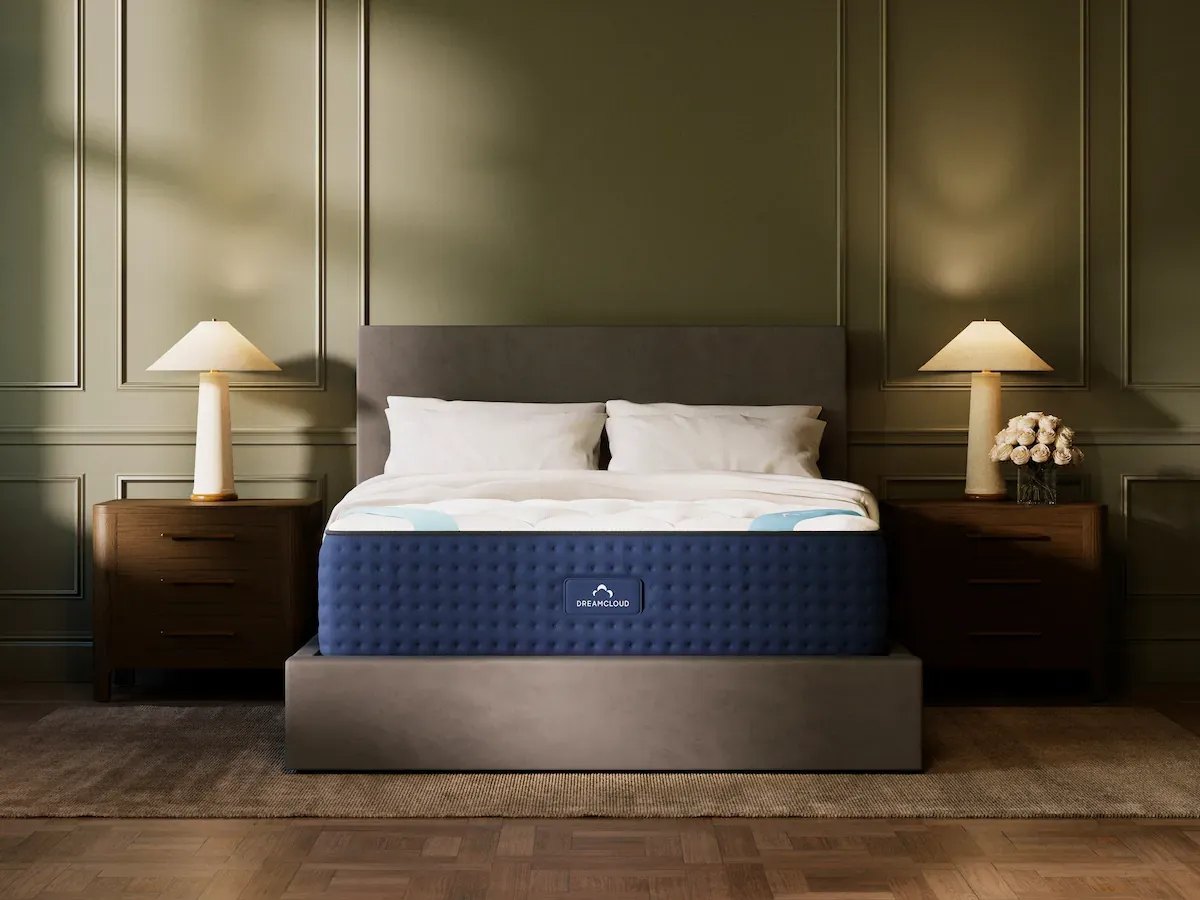
A medium 6.5/10 hybrid build, 13 inches, with a couples score of 9.3/10 — motion isolation 9.3/10 and edge support 9.4/10. Its coils are individually wrapped, so each one compresses on its own rather than passing the load sideways — the mechanism that both contains movement and keeps a reinforced perimeter from collapsing when someone sits on it.
Measured in our lab: 0.21 g of movement registered on the far side of the mattress when a weight is dropped beside the sensor, and 2 inches of perimeter compression under a seated load. Lower is better on both.
The DreamCloud Premier Hybrid is our top-rated mattress for 2026, offering an exceptional balance of luxury comfort and supportive design. With its cashmere-blend cover and gel-infused memory foam, it delivers hotel-quality sleep at a price that won't break the bank. The 13-inch profile includes individually wrapped coils for responsive support and excellent edge stability.
- Couples score
- 9.3/10
- Motion isolation
- 9.3/10
- Edge support
- 9.4/10
- Cooling
- 9.2/10
- Firmness
- Medium (6.5/10)
- Construction
- Hybrid · Luxury Hybrid · 13 inches
- Support
- 9.7/10
- Durability
- 9.6/10
- Queen price
- $1,099
- Trial / warranty
- 365 nights · Forever Warranty (lifetime, limited)
Best for
- Couples who want minimal motion transfer
- Back and combination sleepers
- Those who want luxury feel on a budget
- Hot sleepers (breathable design)
Consider something else if
- May be too firm for lightweight side sleepers
- Initial off-gassing for first 24-48 hours
- Heavy (over 100 lbs) - difficult to move
Read our full DreamCloud Premier review
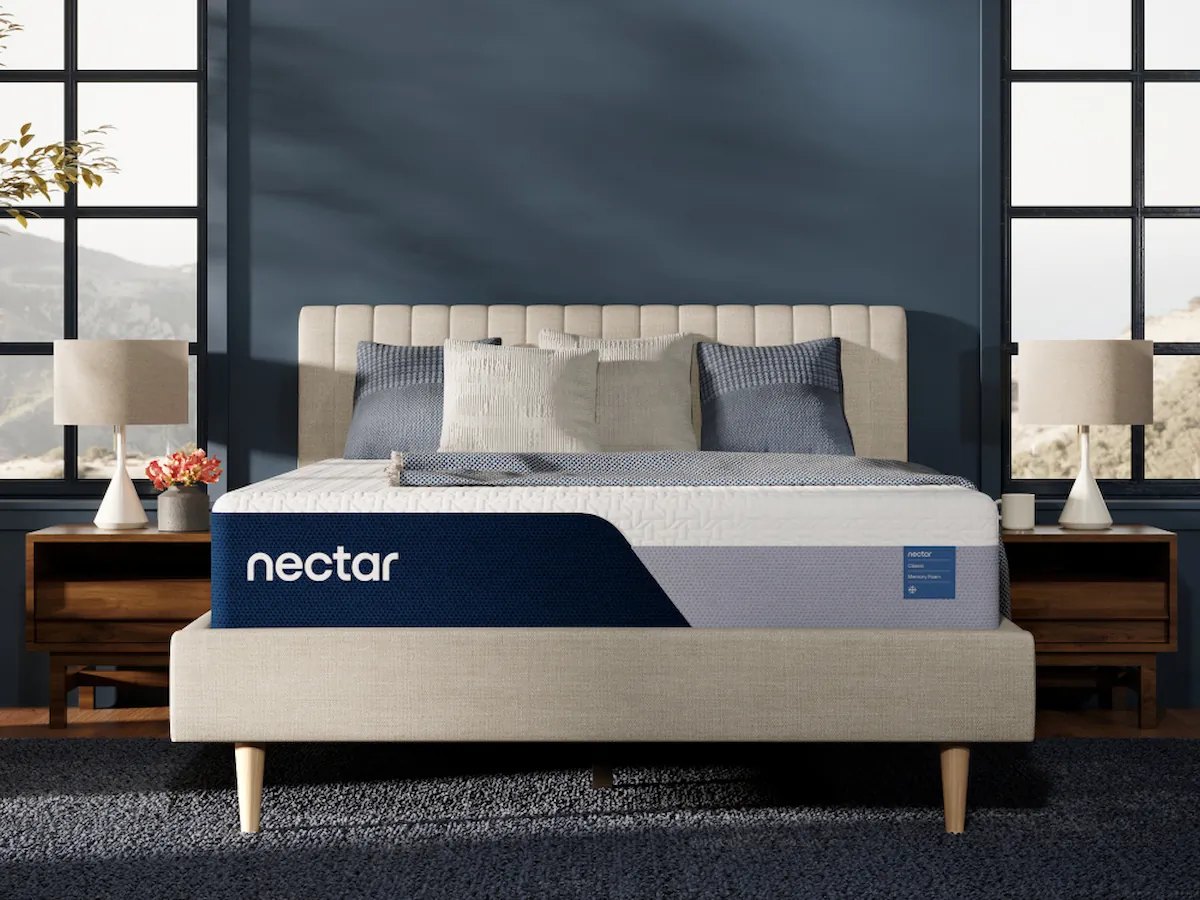
Best Motion IsolationA medium 6.0/10 memory foam build, 12 inches, with a couples score of 9.1/10 — motion isolation 9.7/10 and edge support 8.5/10. Memory foam absorbs movement by deforming slowly instead of bouncing, which is why all-foam beds measure so well on partner disturbance; the tradeoff is usually the perimeter, since there is no coil unit holding the edge up.
Measured in our lab: 0.06 g of movement registered on the far side of the mattress when a weight is dropped beside the sensor, and 2.1 inches of perimeter compression under a seated load. Lower is better on both.
The Nectar Memory Foam mattress has earned its reputation as the best value in the industry. With a forever warranty and 365-night trial, Nectar stands behind their product completely. The medium-firm feel works well for most sleepers, and the pressure-relieving memory foam is particularly loved by side sleepers.
- Couples score
- 9.1/10
- Motion isolation
- 9.7/10
- Edge support
- 8.5/10
- Cooling
- 8.8/10
- Firmness
- Medium (6.0/10)
- Construction
- Memory Foam · Memory Foam · 12 inches
- Support
- 9.2/10
- Durability
- 9.3/10
- Queen price
- $699
- Trial / warranty
- 365 nights · Forever Warranty
Best for
- Side sleepers seeking pressure relief
- Budget-conscious shoppers
- Couples with different schedules
- Those who want a classic memory foam feel
Consider something else if
- May sleep warm for some hot sleepers
- Edge support not as strong as hybrids
- Slower response time than latex or hybrid
Read our full Nectar Memory Foam review
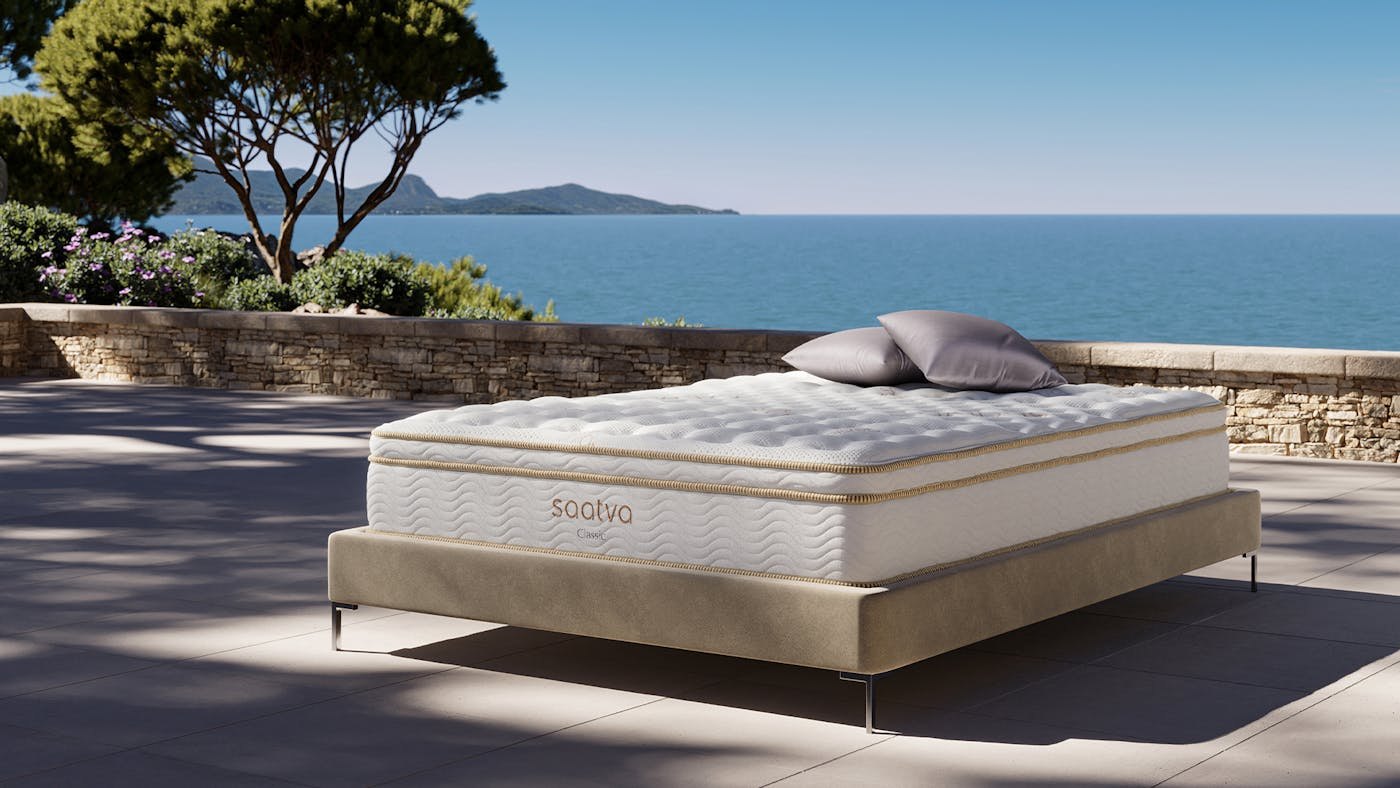
Best Edge SupportA medium 6.0/10 hybrid build, 14.5 inches, with a couples score of 9.1/10 — motion isolation 8.8/10 and edge support 9.7/10. Its coils are individually wrapped, so each one compresses on its own rather than passing the load sideways — the mechanism that both contains movement and keeps a reinforced perimeter from collapsing when someone sits on it.
Measured in our lab: 0.18 g of movement registered on the far side of the mattress when a weight is dropped beside the sensor, and 1.9 inches of perimeter compression under a seated load. Lower is better on both.
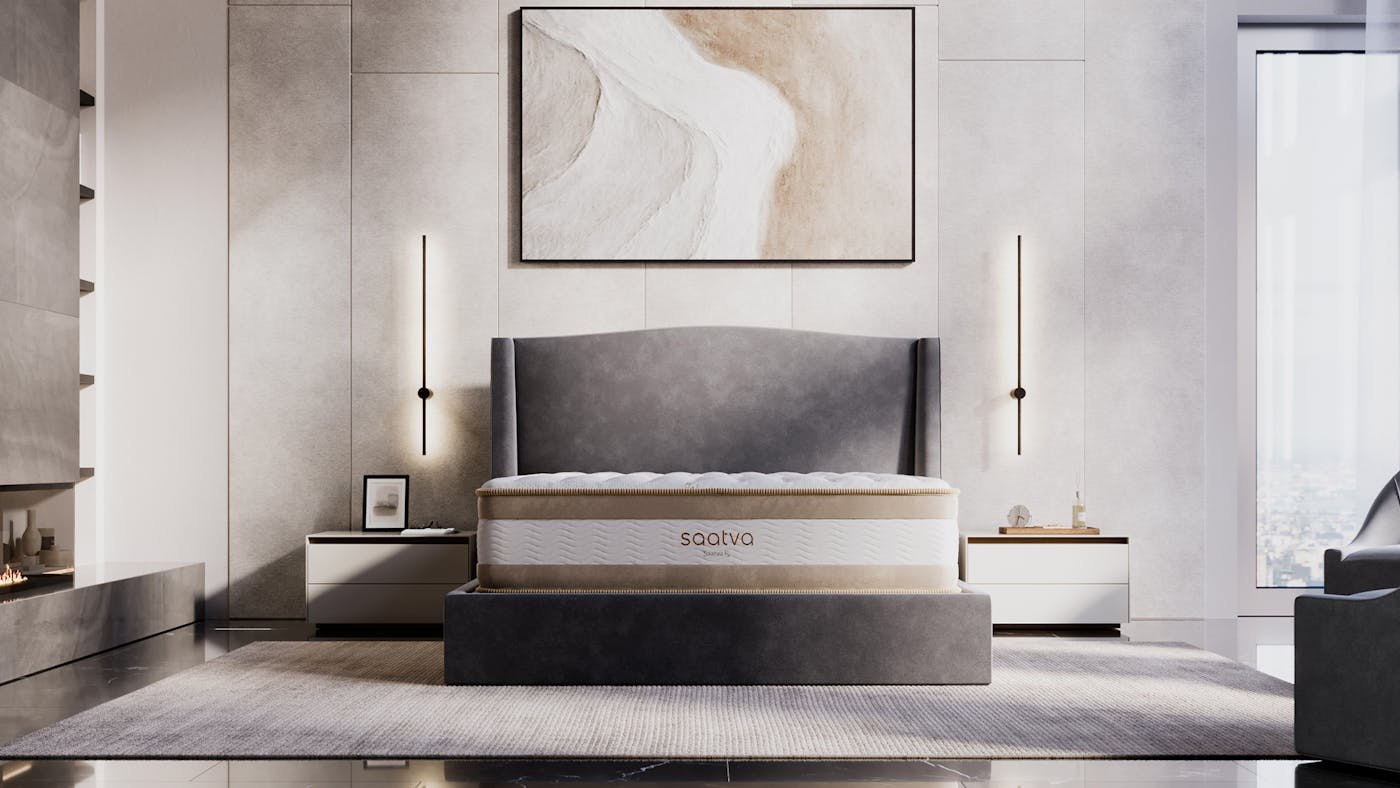
The Saatva Classic brings old-world craftsmanship to the modern mattress. This dual-coil innerspring design offers exceptional support and breathability, with a Euro pillow top for plush comfort. The free white glove delivery includes setup and old mattress removal.
- Couples score
- 9.1/10
- Motion isolation
- 8.8/10
- Edge support
- 9.7/10
- Cooling
- 9.4/10
- Firmness
- Medium (6.0/10)
- Construction
- Hybrid · Innerspring Hybrid · 14.5 inches
- Support
- 9.6/10
- Durability
- 9.5/10
- Queen price
- $1,295
- Trial / warranty
- 365 nights · Lifetime
Best for
- Back sleepers who need firm support
- Those who prefer traditional innerspring feel
- Hot sleepers who need airflow
- Eco-conscious buyers
Consider something else if
- More motion transfer than foam mattresses
- Higher price point
- May be too bouncy for some
Read our full Saatva Classic review
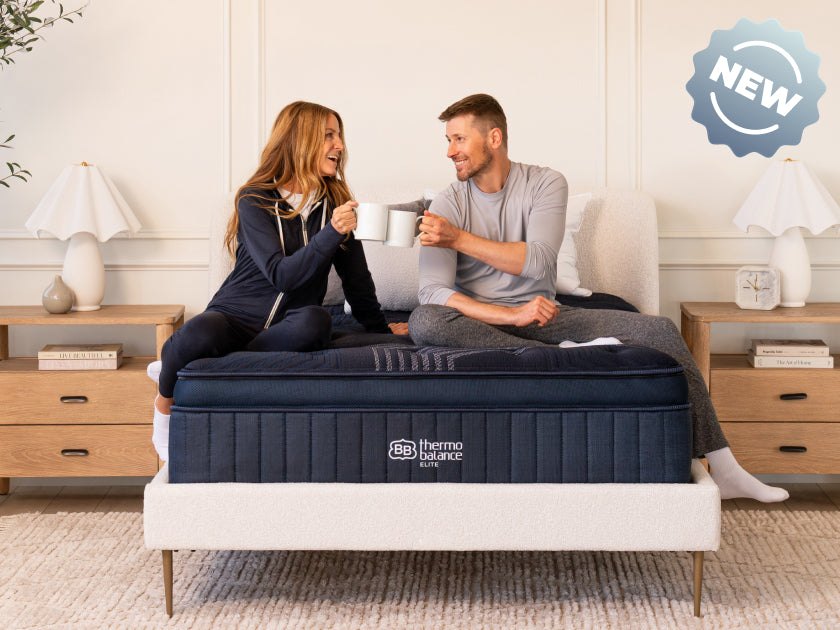
Best Cooling for CouplesA medium 6.0/10 hybrid build, 14.5 inches, with a couples score of 9.2/10 — motion isolation 9.4/10 and edge support 9.2/10. Its coils are individually wrapped, so each one compresses on its own rather than passing the load sideways — the mechanism that both contains movement and keeps a reinforced perimeter from collapsing when someone sits on it.
This model has not been through our physical protocol, so its scores come from a research evaluation of the published construction rather than measurements we took.
The Brooklyn Bedding ThermoBalance Elite is the flagship of the ThermoBalance collection, adding HD 5.0 memory foam, zoned lumbar support, and upgraded 8-inch Ascension Max coils to the already impressive cooling system. With 11 meticulously engineered layers including ThermoCool cover, ThermoPhase foam, and copper-infused HD 4.0 memory foam, this is Brooklyn Bedding's most advanced cooling mattress ever. Available in soft, medium, and firm, the Elite is designed for sleepers who want zero compromises on both cooling and comfort.
- Couples score
- 9.2/10
- Motion isolation
- 9.4/10
- Edge support
- 9.2/10
- Cooling
- 9.9/10
- Firmness
- Medium (6.0/10)
- Construction
- Hybrid · Luxury Hybrid · 14.5 inches
- Support
- 9.5/10
- Durability
- 9.5/10
- Queen price
- $1,749
- Trial / warranty
- 120 nights · Limited Lifetime
Best for
- Hot sleepers who want the absolute best cooling technology
- Couples needing superior motion isolation + cooling
- Back sleepers who need zoned lumbar support
- Those willing to invest in premium sleep quality
Consider something else if
- Premium price point — $1,749+ on sale
- 120-night trial shorter than many competitors
- Heavy mattress due to 11-layer construction — hard to move
- Relatively new model with limited long-term reviews
Read our full Brooklyn Bedding ThermoBalance Elite review
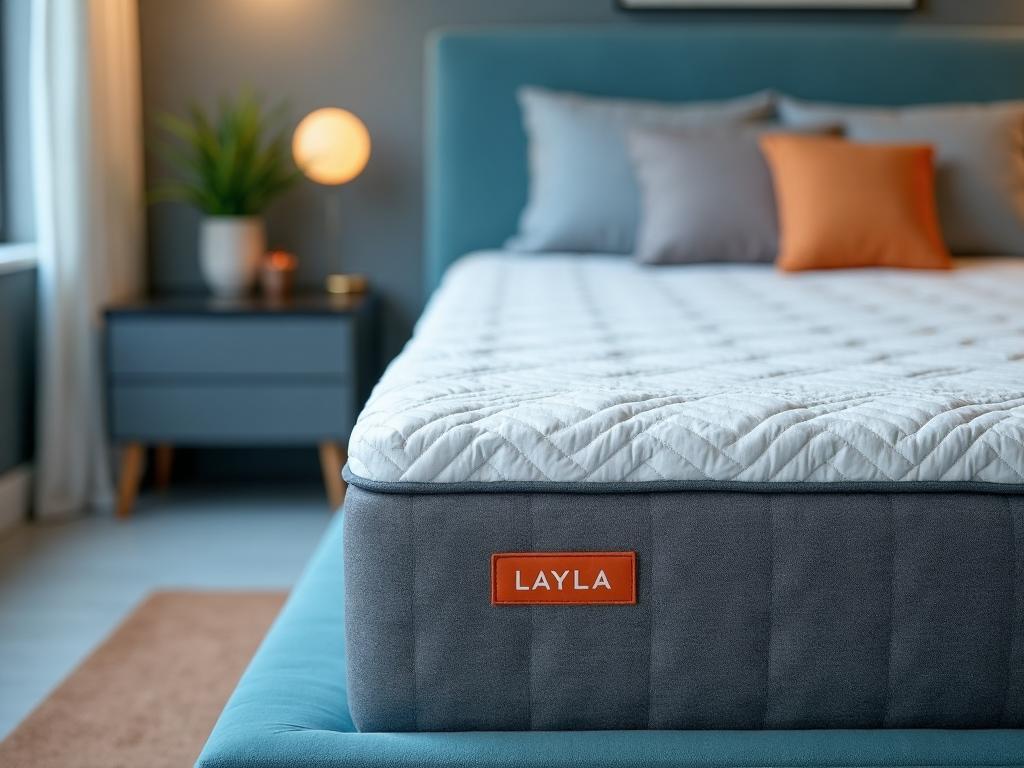
Best for Different Firmness PreferencesA soft 4.0/10 hybrid build, 13 inches, with a couples score of 9.1/10 — motion isolation 9.0/10 and edge support 8.8/10. Its coils are individually wrapped, so each one compresses on its own rather than passing the load sideways — the mechanism that both contains movement and keeps a reinforced perimeter from collapsing when someone sits on it.
Measured in our lab: 0.1 g of movement registered on the far side of the mattress when a weight is dropped beside the sensor, and 2.1 inches of perimeter compression under a seated load. Lower is better on both. It also offers more than one firmness in the same bed, which is the practical answer when the two of you disagree.
Layla's innovative design lets you flip the mattress for two different firmness levels - soft (4/10) on one side and firm (7/10) on the other. Copper-infused foam adds cooling and antimicrobial properties.
- Couples score
- 9.1/10
- Motion isolation
- 9.0/10
- Edge support
- 8.8/10
- Cooling
- 9.2/10
- Firmness
- Soft (4.0/10)
- Construction
- Hybrid · Flippable Hybrid · 13 inches
- Support
- 9.1/10
- Durability
- 9.0/10
- Queen price
- $1,099
- Trial / warranty
- 120 nights · Lifetime
Best for
- Couples with different firmness preferences
- Those unsure of preferred firmness
- Side and back sleepers
- Those wanting cooling copper foam
Consider something else if
- Heavier due to flippable design
- No middle ground firmness
- May be too soft on soft side for some
Read our full Layla Hybrid review
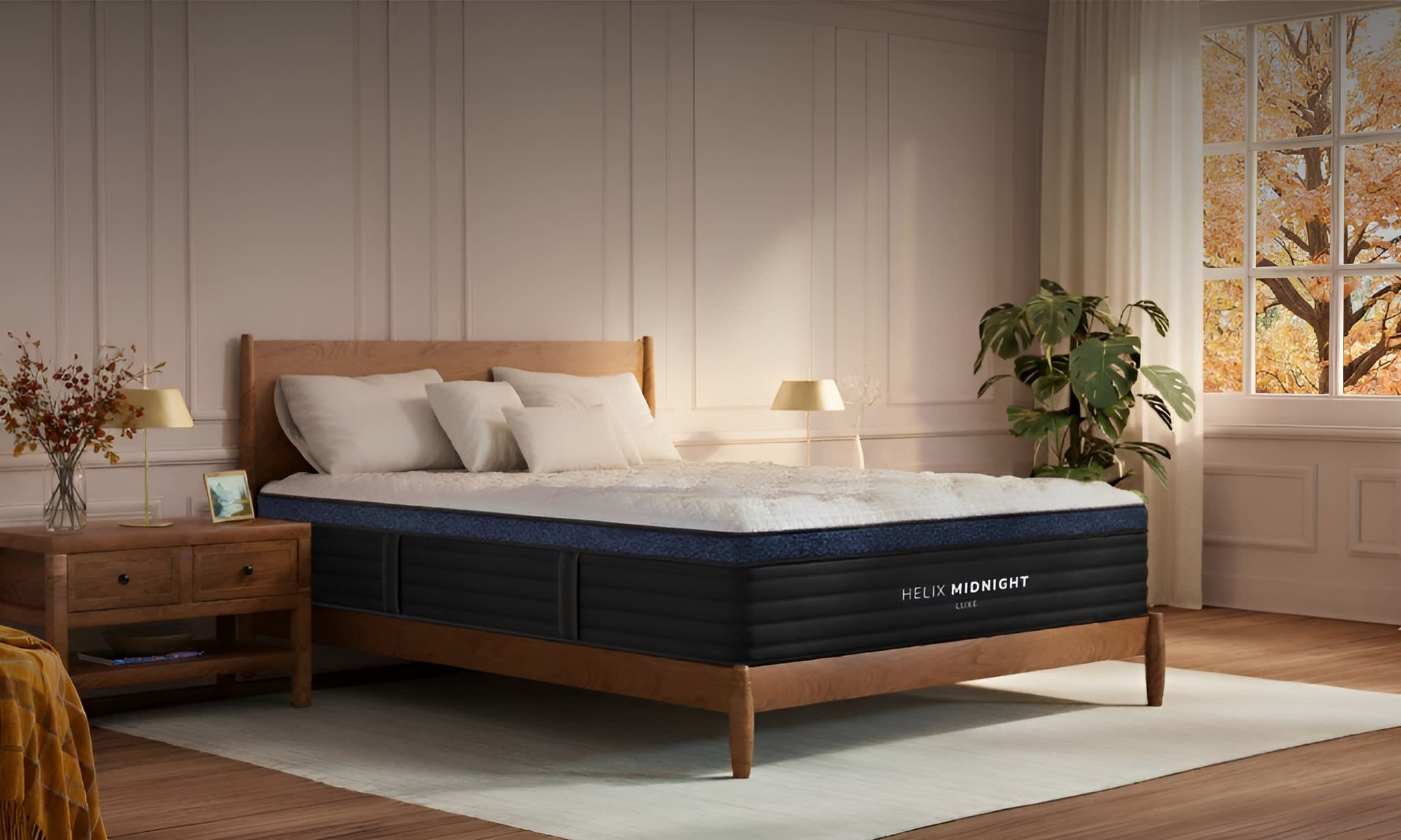
Best for Side-Sleeping CouplesA medium soft 5.5/10 hybrid build, 13.5 inches, with a couples score of 9.2/10 — motion isolation 9.6/10 and edge support 9.2/10. Its coils are individually wrapped, so each one compresses on its own rather than passing the load sideways — the mechanism that both contains movement and keeps a reinforced perimeter from collapsing when someone sits on it.
Measured in our lab: 0.09 g of movement registered on the far side of the mattress when a weight is dropped beside the sensor, and 2.1 inches of perimeter compression under a seated load. Lower is better on both.
The Helix Midnight Luxe is our top pick for couples, thanks to its exceptional motion isolation and zoned support system. The Luxe upgrade includes a premium pillow top, GlacioTex cooling cover, and enhanced lumbar support.
- Couples score
- 9.2/10
- Motion isolation
- 9.6/10
- Edge support
- 9.2/10
- Cooling
- 9.3/10
- Firmness
- Medium Soft (5.5/10)
- Construction
- Hybrid · Hybrid · 13.5 inches
- Support
- 9.5/10
- Durability
- 9.2/10
- Queen price
- $1,099
- Trial / warranty
- 120 nights · Limited lifetime warranty (purchases on or after 02/01/2025; first 10 years non-prorated)
Best for
- Couples with different preferences
- Side sleepers who need pressure relief
- Those who want customized recommendations
- Back pain sufferers (zoned support)
Consider something else if
- Shorter trial period than competitors (100 nights)
- Premium price point
- Pillow top may not suit those who prefer firm
Read our full Helix Midnight Luxe review
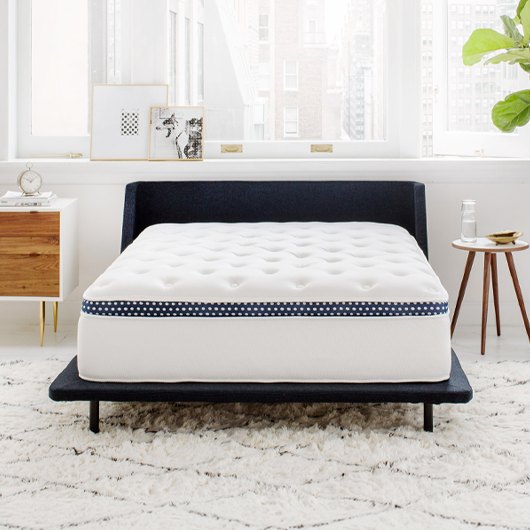
Best ValueA medium 6.5/10 hybrid build, 13.5 inches, with a couples score of 9.0/10 — motion isolation 9.0/10 and edge support 9.5/10. Its coils are individually wrapped, so each one compresses on its own rather than passing the load sideways — the mechanism that both contains movement and keeps a reinforced perimeter from collapsing when someone sits on it.
Measured in our lab: 0.12 g of movement registered on the far side of the mattress when a weight is dropped beside the sensor, and 1.7 inches of perimeter compression under a seated load. Lower is better on both.
The WinkBed is a handcrafted luxury hybrid mattress made in the USA with premium American materials. It features four firmness options, a breathable Tencel cover with gel foams, and reinforced edges ideal for couples. Rated 4.8 from over 9,000 reviews.
- Couples score
- 9.0/10
- Motion isolation
- 9.0/10
- Edge support
- 9.5/10
- Cooling
- 9.3/10
- Firmness
- Medium (6.5/10)
- Construction
- Hybrid · Luxury Hybrid · 13.5 inches
- Support
- 9.4/10
- Durability
- 9.4/10
- Queen price
- $1,799
- Trial / warranty
- 120 nights · Lifetime
Best for
- Back and combination sleepers
- Couples who need edge support
- Hot sleepers who want a hybrid
- Those with back or hip pain
Consider something else if
- Premium price point
- Heavy due to hybrid construction
- 120-night trial shorter than some competitors
Read our full WinkBed review
Best Memory FoamA medium 6.0/10 memory foam build, 12 inches, with a couples score of 9.1/10 — motion isolation 9.7/10 and edge support 8.5/10. Memory foam absorbs movement by deforming slowly instead of bouncing, which is why all-foam beds measure so well on partner disturbance; the tradeoff is usually the perimeter, since there is no coil unit holding the edge up.
Measured in our lab: 0.06 g of movement registered on the far side of the mattress when a weight is dropped beside the sensor, and 2.1 inches of perimeter compression under a seated load. Lower is better on both.
The Nectar Memory Foam mattress has earned its reputation as the best value in the industry. With a forever warranty and 365-night trial, Nectar stands behind their product completely. The medium-firm feel works well for most sleepers, and the pressure-relieving memory foam is particularly loved by side sleepers.
- Couples score
- 9.1/10
- Motion isolation
- 9.7/10
- Edge support
- 8.5/10
- Cooling
- 8.8/10
- Firmness
- Medium (6.0/10)
- Construction
- Memory Foam · Memory Foam · 12 inches
- Support
- 9.2/10
- Durability
- 9.3/10
- Queen price
- $699
- Trial / warranty
- 365 nights · Forever Warranty
Best for
- Side sleepers seeking pressure relief
- Budget-conscious shoppers
- Couples with different schedules
- Those who want a classic memory foam feel
Consider something else if
- May sleep warm for some hot sleepers
- Edge support not as strong as hybrids
- Slower response time than latex or hybrid
Read our full Nectar Memory Foam review
Best HybridA medium 6.5/10 hybrid build, 13 inches, with a couples score of 9.3/10 — motion isolation 9.3/10 and edge support 9.4/10. Its coils are individually wrapped, so each one compresses on its own rather than passing the load sideways — the mechanism that both contains movement and keeps a reinforced perimeter from collapsing when someone sits on it.
Measured in our lab: 0.21 g of movement registered on the far side of the mattress when a weight is dropped beside the sensor, and 2 inches of perimeter compression under a seated load. Lower is better on both.
The DreamCloud Premier Hybrid is our top-rated mattress for 2026, offering an exceptional balance of luxury comfort and supportive design. With its cashmere-blend cover and gel-infused memory foam, it delivers hotel-quality sleep at a price that won't break the bank. The 13-inch profile includes individually wrapped coils for responsive support and excellent edge stability.
- Couples score
- 9.3/10
- Motion isolation
- 9.3/10
- Edge support
- 9.4/10
- Cooling
- 9.2/10
- Firmness
- Medium (6.5/10)
- Construction
- Hybrid · Luxury Hybrid · 13 inches
- Support
- 9.7/10
- Durability
- 9.6/10
- Queen price
- $1,099
- Trial / warranty
- 365 nights · Forever Warranty (lifetime, limited)
Best for
- Couples who want minimal motion transfer
- Back and combination sleepers
- Those who want luxury feel on a budget
- Hot sleepers (breathable design)
Consider something else if
- May be too firm for lightweight side sleepers
- Initial off-gassing for first 24-48 hours
- Heavy (over 100 lbs) - difficult to move
Read our full DreamCloud Premier review
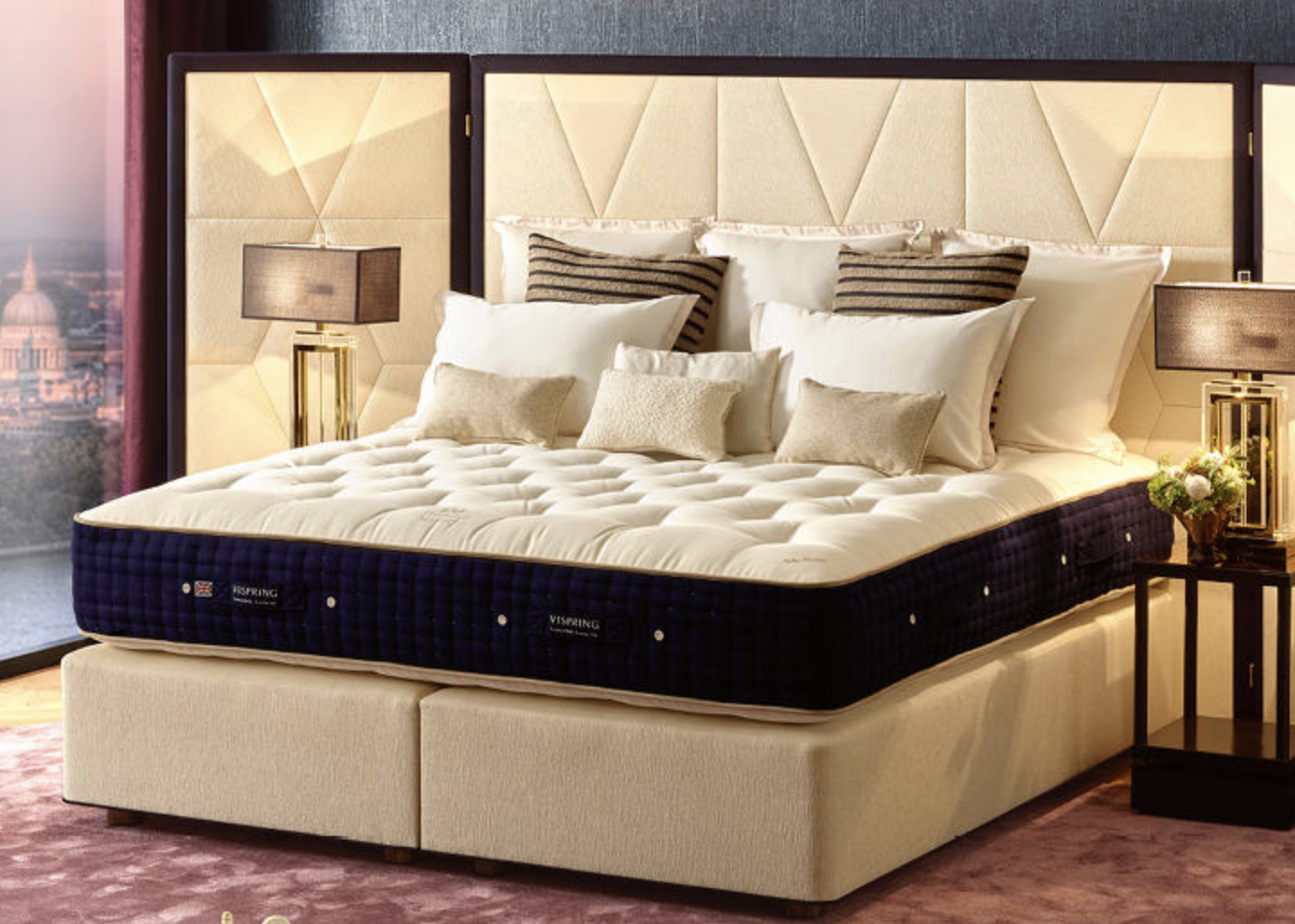
Best Luxury Mattress for CouplesA medium soft 5.5/10 innerspring build, 11 inches, with a couples score of 9.1/10 — motion isolation 9.7/10 and edge support 9.6/10. Its coils are individually wrapped, so each one compresses on its own rather than passing the load sideways — the mechanism that both contains movement and keeps a reinforced perimeter from collapsing when someone sits on it.
This model has not been through our physical protocol, so its scores come from a research evaluation of the published construction rather than measurements we took.
The Diamond Majesty is Vispring's answer to the question of what a mattress looks like when cost is removed from the design brief. It stacks three layers of hand-nested calico pocket springs — a configuration almost no other manufacturer attempts because of the labor involved — beneath comfort layers of British fleece wool, Shetland wool, hand-opened Moosburger horsetail, cashmere, and silk. The triple-spring stack does something a single spring layer cannot: the upper layer contours finely to shoulders and hips while the lower layers handle deep support, so the bed is simultaneously softer at the surface and more supportive underneath than any two-layer design we have tested. Starting around $44,000 for the mattress in King (and considerably more with the matching divan), this is a purchase for buyers comparing it against the Hästens 2000T and Vividus, and against a Savoir No. 1. On pure spring sophistication it arguably leads that group; the Hästens counters with superior moisture handling from horsehair, and Savoir with bespoke sizing. It is sold only through Vispring retailers with custom spring-tension selection, and production takes six to eight weeks.
- Couples score
- 9.1/10
- Motion isolation
- 9.7/10
- Edge support
- 9.6/10
- Cooling
- 9.8/10
- Firmness
- Medium Soft (5.5/10)
- Construction
- Innerspring · Handcrafted Triple-Layer Pocket Spring & Noble Fibers · 11 inches
- Support
- 9.8/10
- Durability
- 9.9/10
- Queen price
- $44,000
- Trial / warranty
- Retailer-dependent; typically 60–100 nights · 30-year guarantee
Best for
- Buyers choosing between Hästens, Savoir and Vispring flagships
- Side sleepers wanting softness with real support underneath
- Couples needing different tensions per side
- Estate and yacht outfitting
Consider something else if
- $44,000+ is rarified even within ultra-luxury
- Six-to-eight-week production lead time
- Retail availability limited to major metro showrooms
- Value score is inherently weak at this altitude — you are buying the best, not a bargain
Read our full Vispring Diamond Majesty review