#1
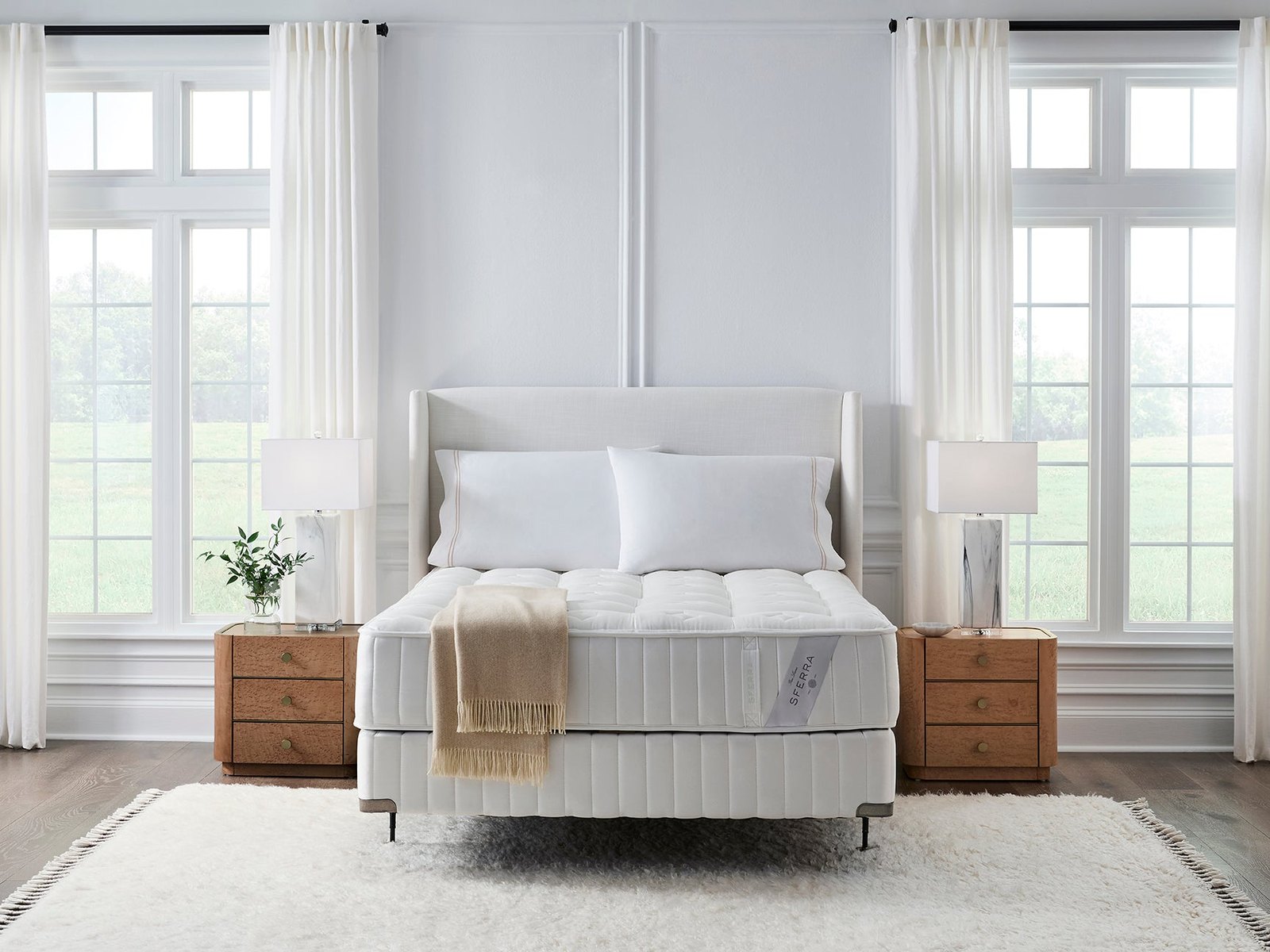
Firmness: 7/10
SFERRA Sonno Notte Luxury Firm
Ultra-luxury Italian craftsmanship meets American engineering
9.4/10
9.7
Support
9.5
Edge Support
9.8
Durability
$5462$5462
Firm mattresses (7+ on our 10-point scale) provide superior support for back sleepers, stomach sleepers, and heavier individuals. Here are the best we've tested.
Prevents hip sinkage and lower back hyperextension during prone sleeping
Firmness 7-9 idealKeeps heavier sleepers on top of the mattress with proper spinal alignment
Prevents excessive sinkageA firmer surface can reduce morning stiffness for some back pain sufferers
Consult your doctorUltra-luxury Italian craftsmanship meets American engineering
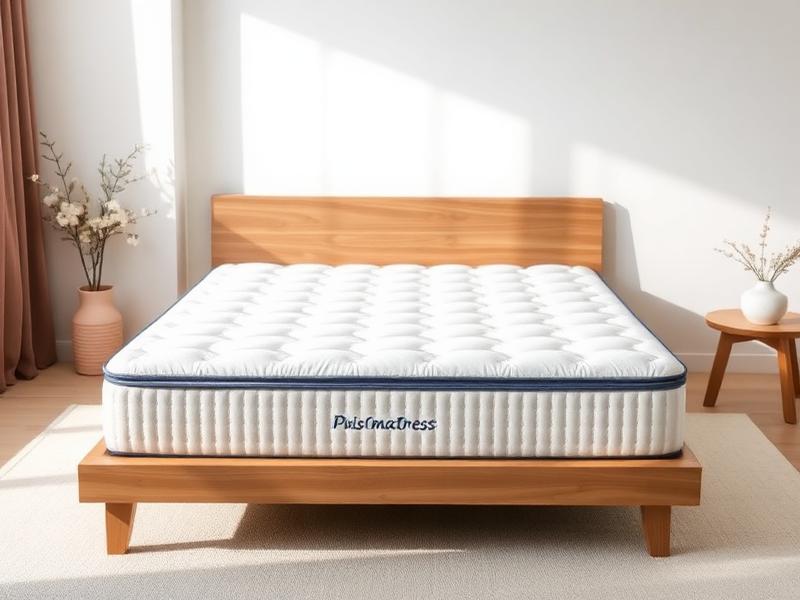

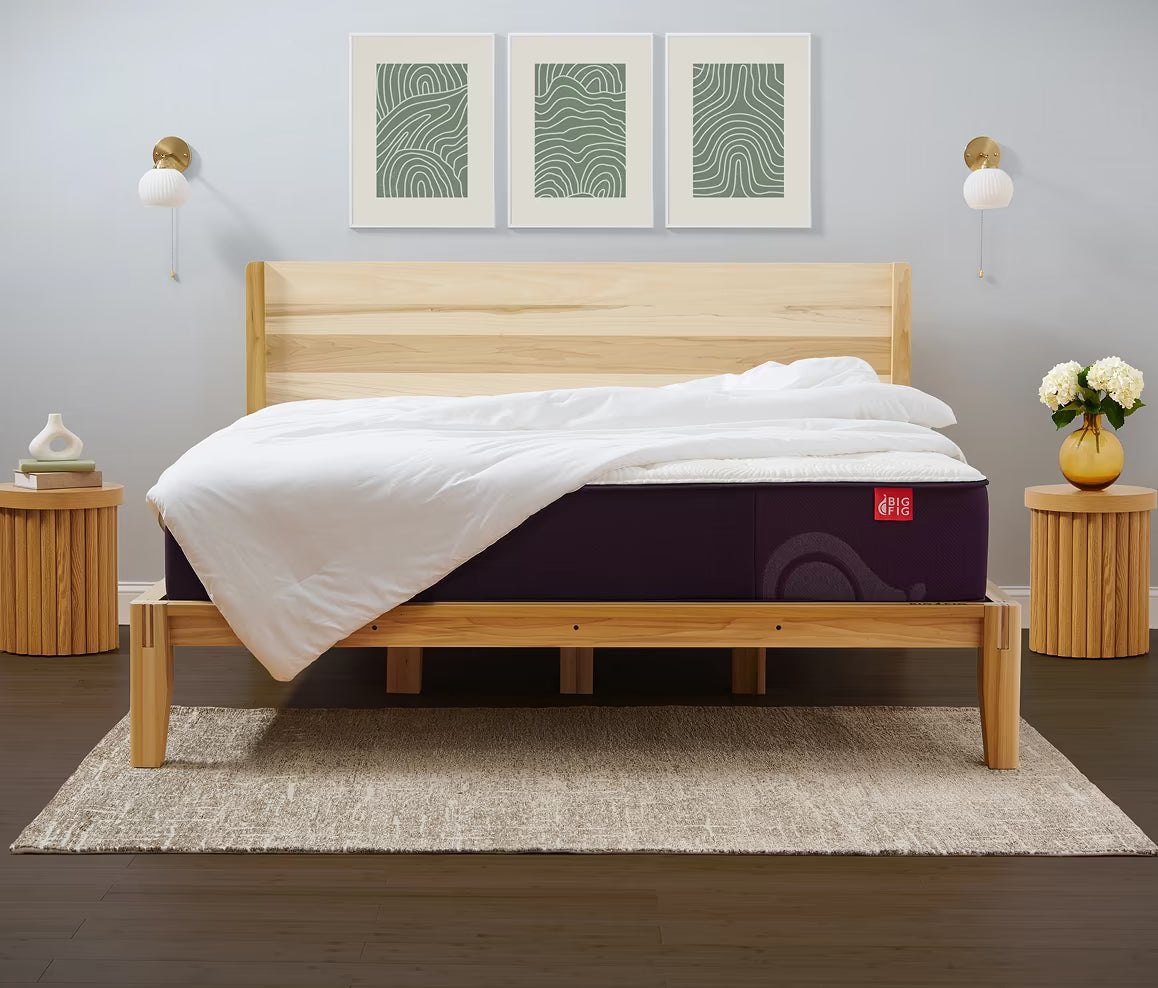
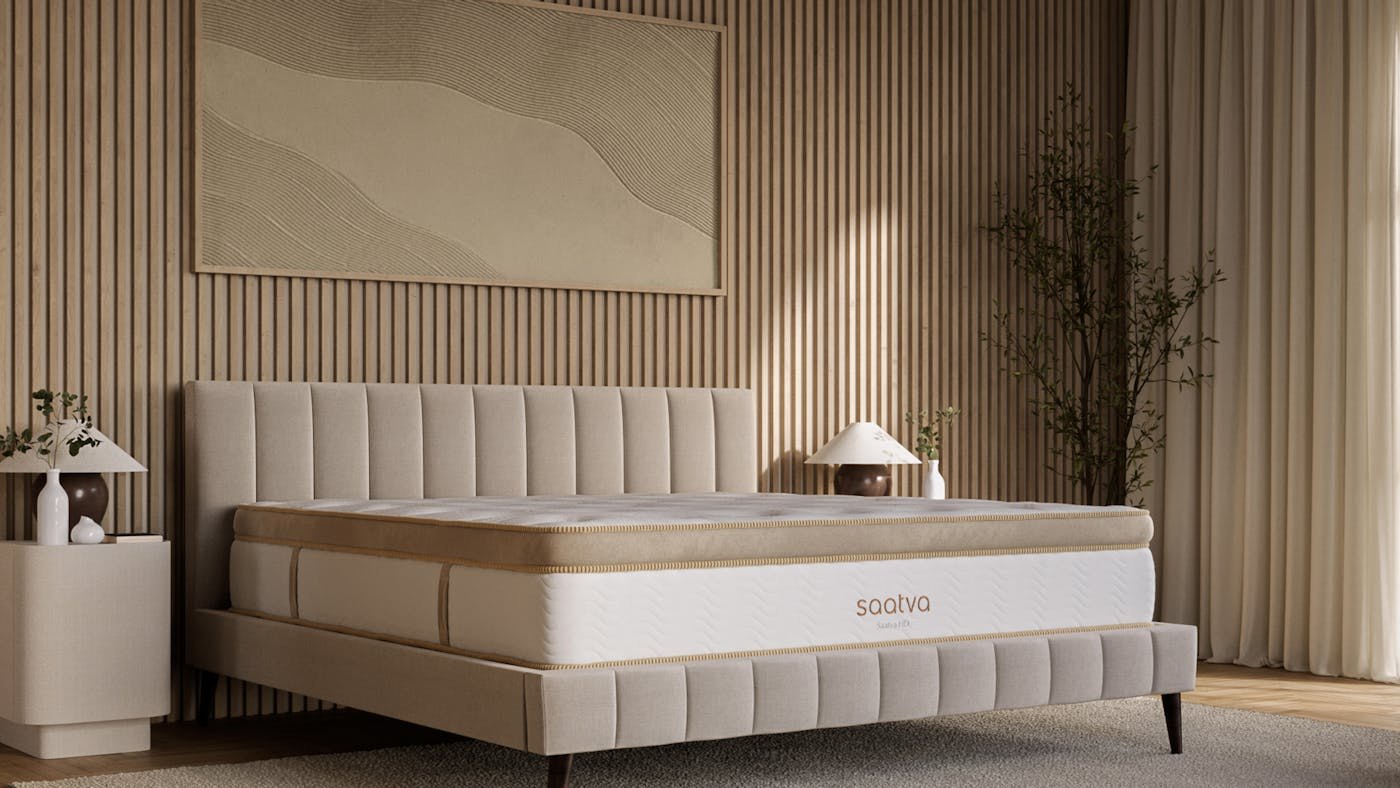
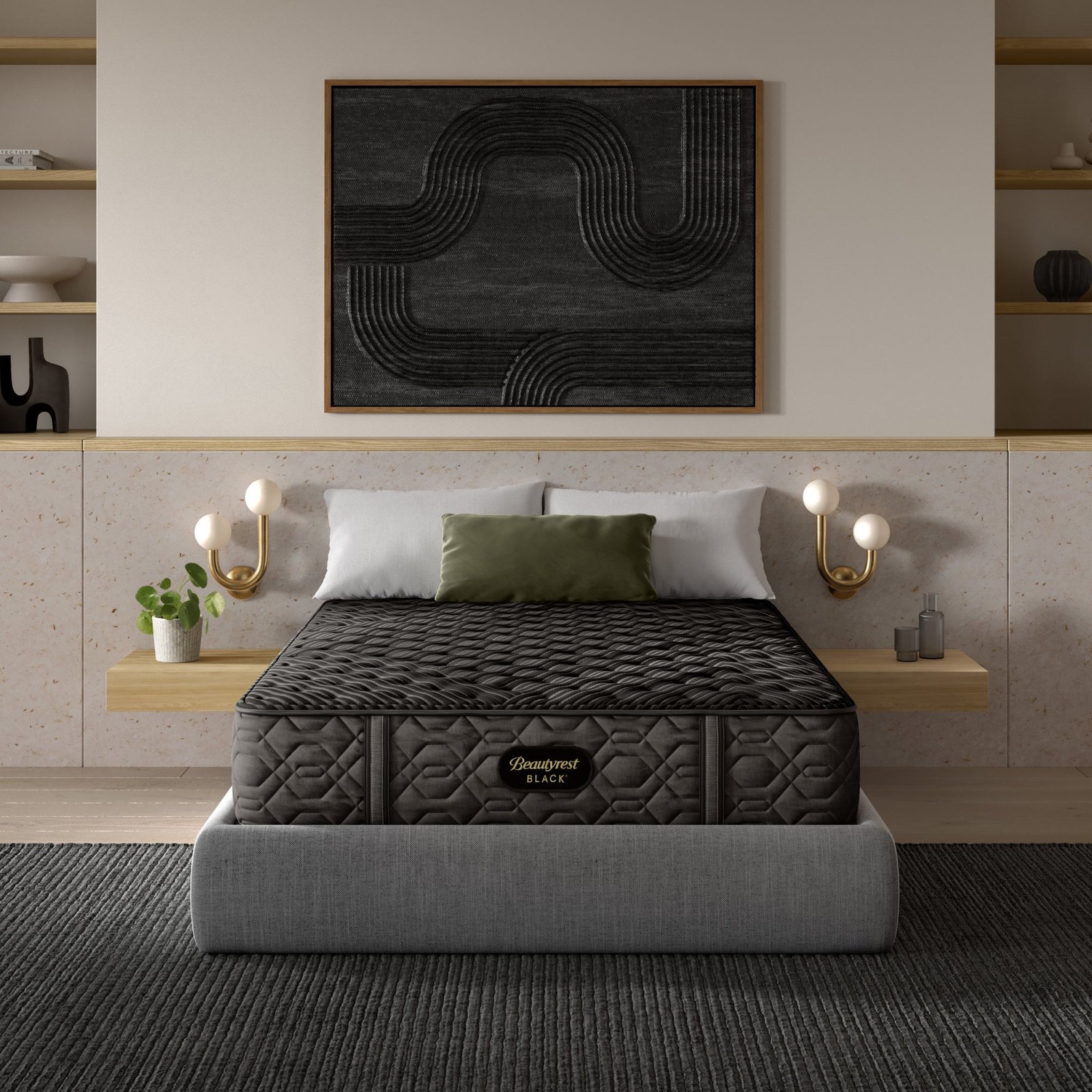
Extra-firm support hybrid — the firmest Black for back and stomach sleepers
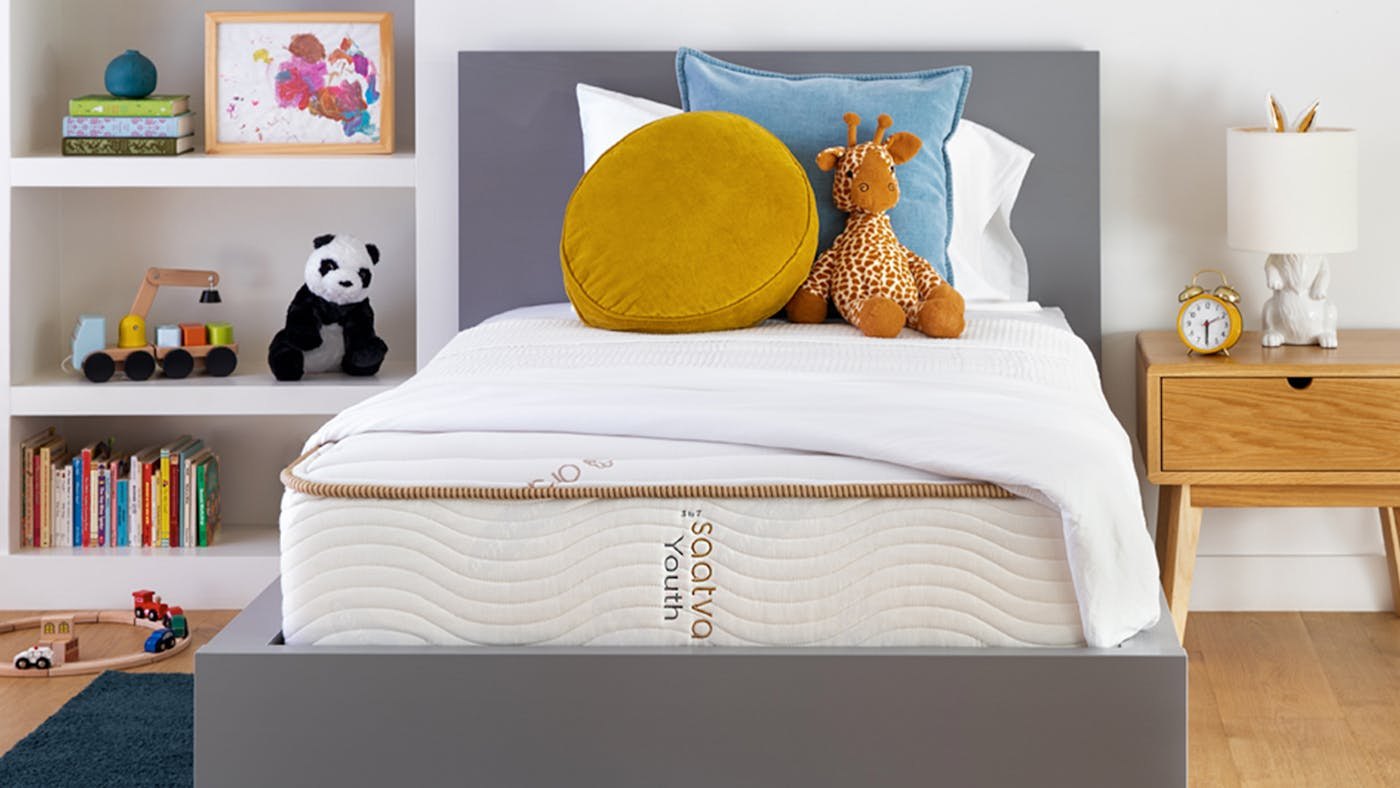
Firm mattresses (rated 7-9/10) serve back sleepers, stomach sleepers, and anyone above 220 lbs who needs structural pushback to prevent hip sinking. The category is genuinely misunderstood — buyers expect 'hard' and assume discomfort, but a quality firm mattress provides distributed support that feels effortlessly stable, not punishing. Our picks all rate 7.5-8.5/10 firmness with comfort layers thick enough to prevent pressure points despite the firm core.
Counterintuitively, no. Multiple studies including a landmark 2003 trial in The Lancet showed that medium-firm (5.5-6.5/10) mattresses reduced back pain symptoms more effectively than firm mattresses across general populations. The 'firm is best for backs' folk wisdom is largely incorrect.
The exception is stomach sleepers, back sleepers above 200 lbs, and people with specific conditions (spondylolisthesis, severe lumbar instability) where structural support outweighs pressure relief considerations.
Foam fatigue is driven by cyclic compression stress. Firmer mattresses compress less per cycle, so each comfort layer endures less mechanical stress per night. Over years, this translates to measurably longer usable lifespan — typically 15-25% longer than equivalent-quality medium or soft builds.
The trade-off is acclimation period. Most sleepers need 2-4 weeks to adjust to a firm mattress after switching from medium or soft. Trial periods of 100+ nights matter doubly here.
Cheap thin mattresses feel firm but lack the comfort layer needed to prevent pressure points. Real firm mattresses are 11-14 inches thick with quality layering.
Side sleepers under 180 lbs almost universally do worse on firm mattresses. Match firmness to position and weight, not folk wisdom.
Firm mattresses feel uncomfortable for the first 2-4 weeks after switching from softer surfaces. Don't return prematurely.
Basic firm hybrids. Solid value, 7-9 year lifespan.
Quality firm hybrids with thick comfort layers. The category sweet spot.
Saatva Classic Firm, WinkBed Firmer. Best-in-class for back/stomach sleepers and heavier bodies.
Keep exploring
Frequently Asked
Hand-picked guides and reviews from our editorial team.
Firm picks that prevent hip sinkage.
Reinforced support for 230+ lbs.
Recovery-focused picks.
Compare topper materials, thickness, firmness, cooling and value.
Split mattress, topper on one side, or a medium plus a base.
Category winners ranked on fill, loft, cooling and owner feedback.