Our top pick is the DreamCloud Premier, which scores 9.7/10 for support and 9.4/10 for edges alongside 9.6/10 overall. The Saatva Classic is the closest alternative, and the Nectar Memory Foam is the cheapest way onto a surface this easy to move on at $699 Queen.
Every mattress below is currently available, sits between 5 and 7.5 out of 10 for firmness so it works in more than one position, and scores at least 8.5/10 for both support and edge support.
Quick Picks for Combination Sleepers
Six awards, all drawn from the same ranked list below.
The strongest pairing of support and edges among the hand-built beds that clear our rules, at $44,000 Queen. Held out of the main ranking because it is not a realistic purchase for most buyers.
Support leads, because it is the score that decides this ranking, with the measured response time beside it wherever the model has completed our physical protocol. Firmness, edges and price follow. Every figure comes from the model's record and updates with it.
Support comparison by category score, raw measurement, best use, firmness, support, overall score, construction, body-weight range, trial and Queen price
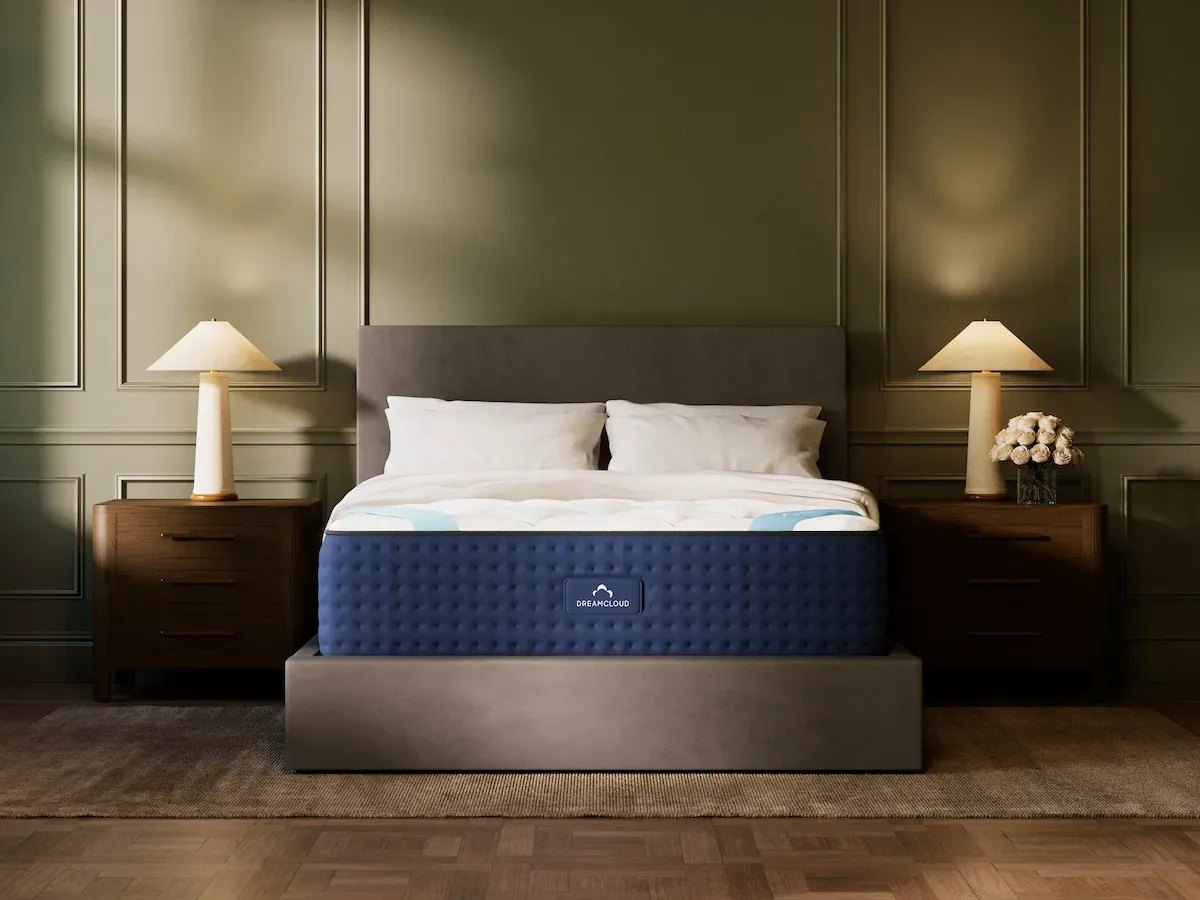
Support 9.7/10 with 9.4/10 edges — changing position does not mean climbing out of a hollow first.
A medium 6.5/10 hybrid build. This model has not completed our physical lab testing protocol, so its scores come from a research evaluation of the manufacturer's published construction rather than timings we recorded ourselves.
The DreamCloud Premier Hybrid is our top-rated mattress for 2026, offering an exceptional balance of luxury comfort and supportive design. With its cashmere-blend cover and gel-infused memory foam, it delivers hotel-quality sleep at a price that won't break the bank. The 13-inch profile includes individually wrapped coils for responsive support and excellent edge stability.
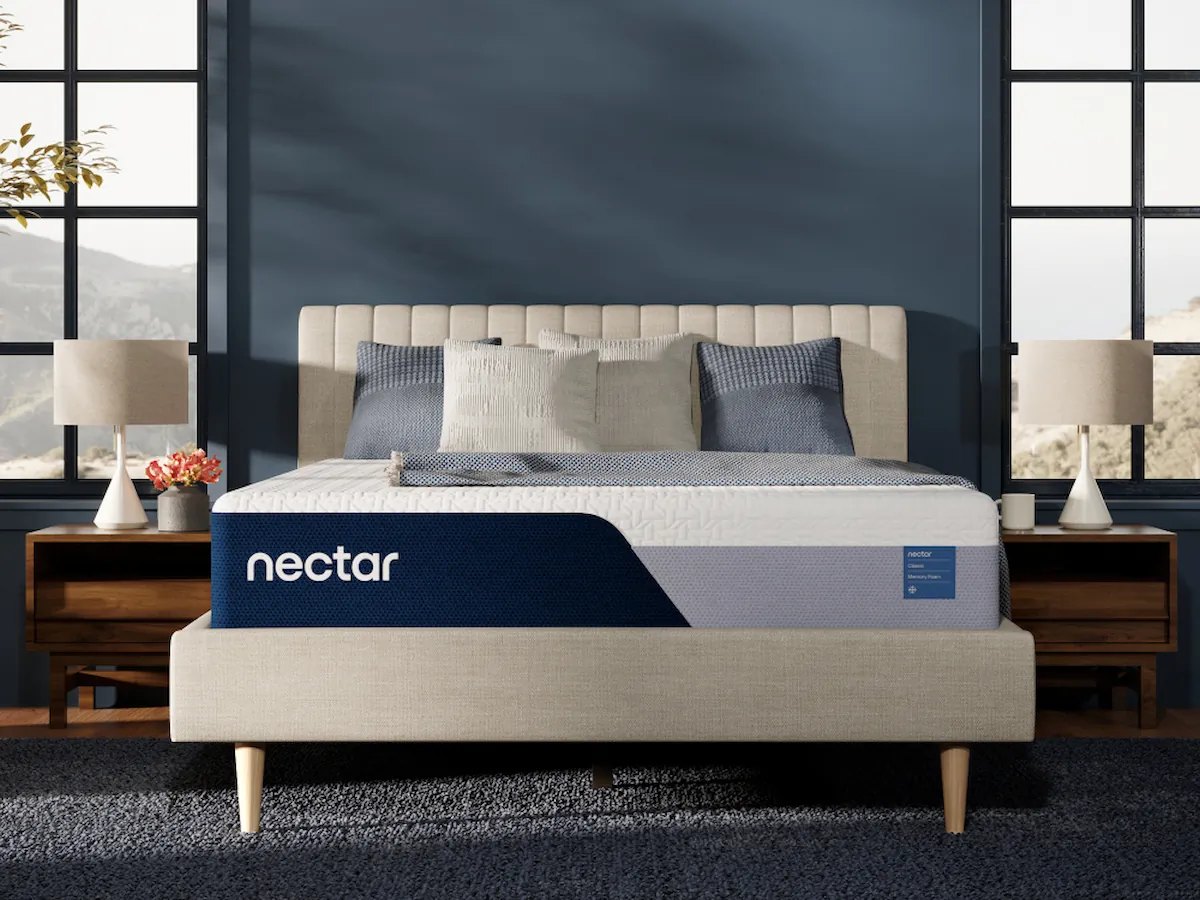
The cheapest route onto a surface this easy to move on: support 9.2/10 and a 9.9/10 value score at $699 Queen.
A medium 6.0/10 memory foam build. This model has not completed our physical lab testing protocol, so its scores come from a research evaluation of the manufacturer's published construction rather than timings we recorded ourselves.
The Nectar Memory Foam mattress has earned its reputation as the best value in the industry. With a forever warranty and 365-night trial, Nectar stands behind their product completely. The medium-firm feel works well for most sleepers, and the pressure-relieving memory foam is particularly loved by side sleepers.
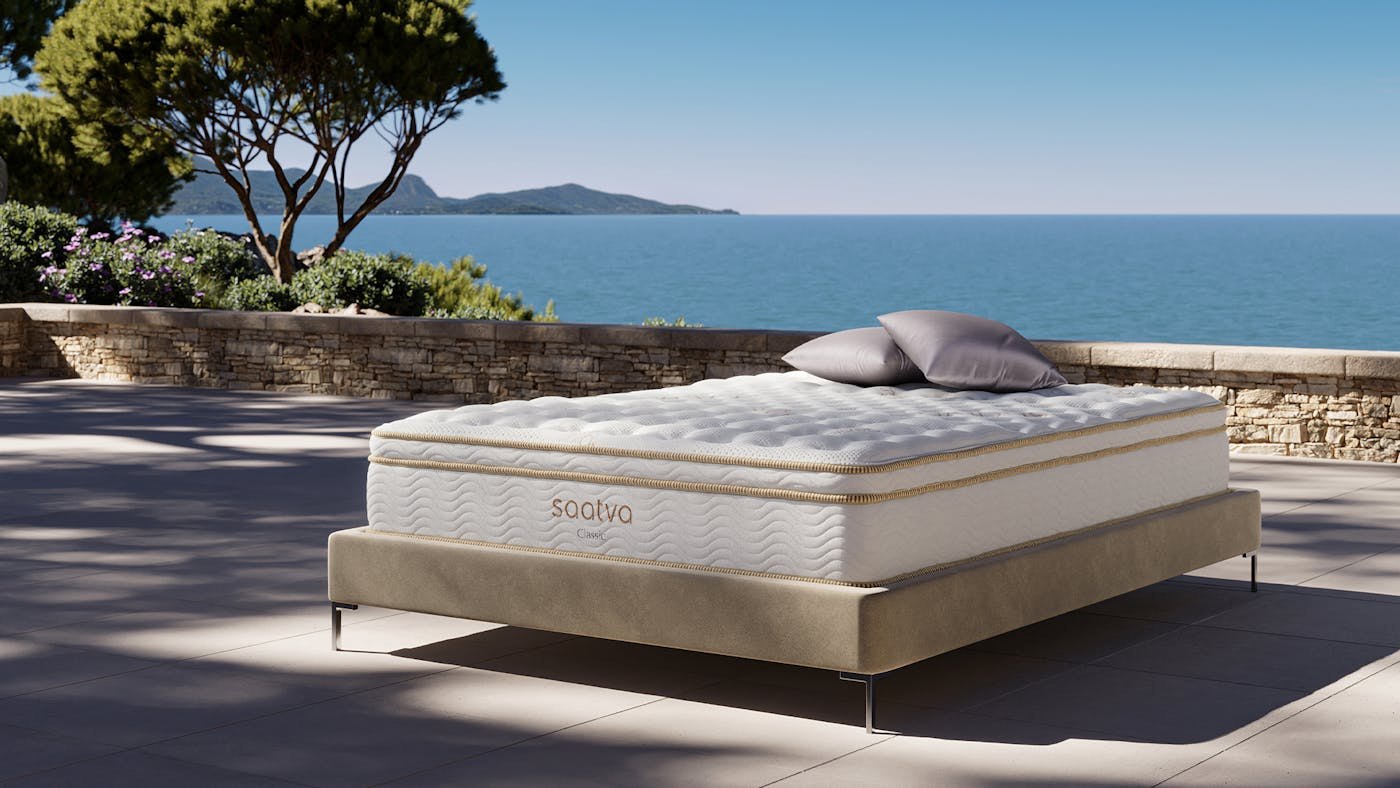
Edge support 9.7/10 — a sleeper who rolls across the bed ends up near the perimeter, and a collapsing edge turns that into a wake-up.
A medium 6.0/10 hybrid build. This model has not completed our physical lab testing protocol, so its scores come from a research evaluation of the manufacturer's published construction rather than timings we recorded ourselves.
The Saatva Classic brings old-world craftsmanship to the modern mattress. This dual-coil innerspring design offers exceptional support and breathability, with a Euro pillow top for plush comfort. The free white glove delivery includes setup and old mattress removal.
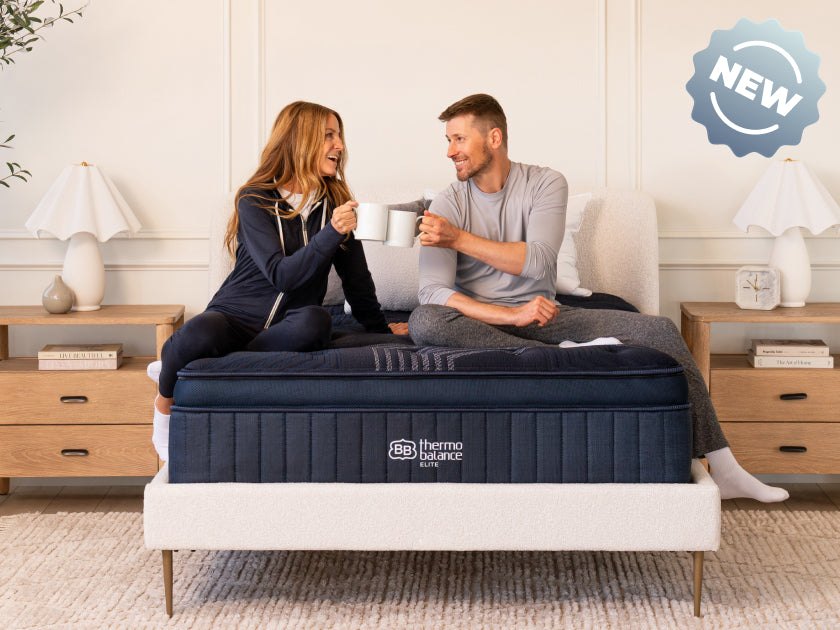
Motion isolation 9.4/10 alongside 9.2/10 edges — a partner who changes position often is only a problem if the movement travels.
A medium 6.0/10 hybrid build. This model has not completed our physical lab testing protocol, so its scores come from a research evaluation of the manufacturer's published construction rather than timings we recorded ourselves.
The Brooklyn Bedding ThermoBalance Elite is the flagship of the ThermoBalance collection, adding HD 5.0 memory foam, zoned lumbar support, and upgraded 8-inch Ascension Max coils to the already impressive cooling system. With 11 meticulously engineered layers including ThermoCool cover, ThermoPhase foam, and copper-infused HD 4.0 memory foam, this is Brooklyn Bedding's most advanced cooling mattress ever. Available in soft, medium, and firm, the Elite is designed for sleepers who want zero compromises on both cooling and comfort.
The strongest pairing of support and edges among the hand-built beds that clear our rules, at $44,000 Queen. Held out of the main ranking because it is not a realistic purchase for most buyers.
A medium soft 5.5/10 innerspring build. This model has not completed our physical lab testing protocol, so its scores come from a research evaluation of the manufacturer's published construction rather than timings we recorded ourselves.
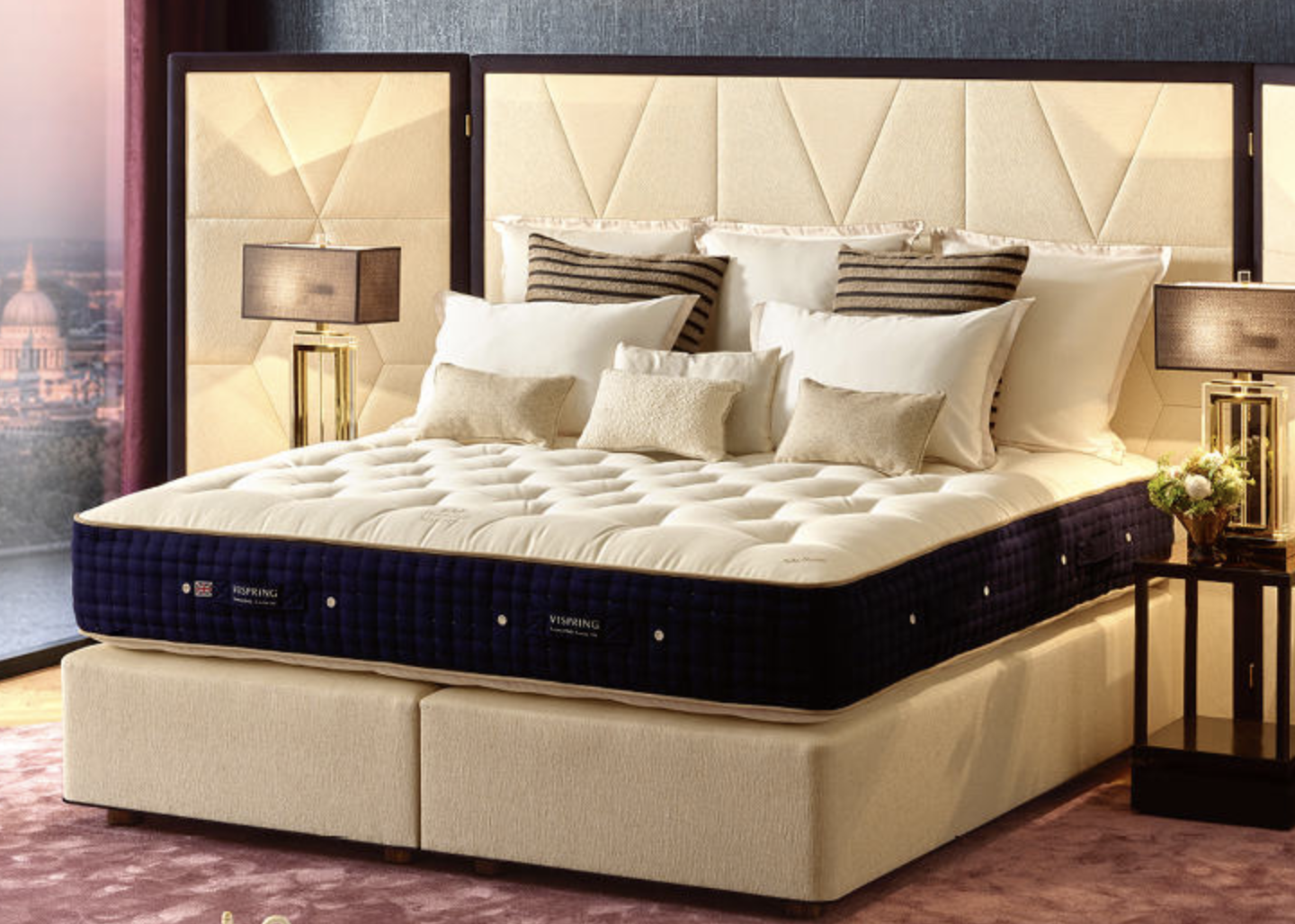
The Diamond Majesty is Vispring's answer to the question of what a mattress looks like when cost is removed from the design brief. It stacks three layers of hand-nested calico pocket springs — a configuration almost no other manufacturer attempts because of the labor involved — beneath comfort layers of British fleece wool, Shetland wool, hand-opened Moosburger horsetail, cashmere, and silk. The triple-spring stack does something a single spring layer cannot: the upper layer contours finely to shoulders and hips while the lower layers handle deep support, so the bed is simultaneously softer at the surface and more supportive underneath than any two-layer design we have tested. Starting around $44,000 for the mattress in King (and considerably more with the matching divan), this is a purchase for buyers comparing it against the Hästens 2000T and Vividus, and against a Savoir No. 1. On pure spring sophistication it arguably leads that group; the Hästens counters with superior moisture handling from horsehair, and Savoir with bespoke sizing. It is sold only through Vispring retailers with custom spring-tension selection, and production takes six to eight weeks.
A surface that recovers. The slower a comfort layer returns to level, the more of each position change is spent climbing out of the last one.
A firmness that works in more than one position. Side sleeping wants give at the shoulder, stomach sleeping wants the hips held up. The eligible range here is 5 to 7.5, which is where both are possible.
Edges you can use. Rolling moves you across the bed, so the perimeter is part of the sleeping surface. The Saatva Classic has the strongest edges on this list at 9.7/10.
Stillness, if you share. Frequent position changes are only a problem for a partner when the movement travels — see our motion isolation guide.
How We Time Response
For mattresses that have completed our physical protocol, we compress the surface under a loaded plate, release it and time how long the surface takes to return to level, reported as the median of three trials. A shorter time means less of the previous position is still there when you move.
Response time is not itself a scored category in our rubric, so it does not set the order of this list: support, edges, motion isolation, cooling, durability, overall score and a practical-price factor do. The timing is published alongside as the measurement most relevant to changing position. Models that have not been through the protocol show "Not lab measured" and are scored from published construction.
How This Ranking Is Built
Eligibility comes before ranking. A mattress must be currently available, sit between 5 and 7.5 out of 10 for firmness, and score at least 8.5/10 for both support and edge support.
Edges and support lead, with motion isolation, cooling, durability and overall score behind them.
Price is a real factor. The main ranking is capped at our mainstream price ceiling; exceptional beds above that line are recognised separately as the luxury pick.
Testing status is stated openly. Lab-tested models carry a measured response time; the rest are research evaluations scored from published construction and labelled as such.
Combination Sleeper Mattress FAQs
What is the best mattress for combination sleepers?
A medium-firm hybrid with a thin (≤2") comfort layer over pocketed coils. The coils give the surface something to push back with when you change position, and a thin comfort layer keeps the previous position from staying behind. Our ranked picks, and the reasons behind the order, are at the top of this page — the list is generated from our scores, so it stays current as they change.
Is memory foam bad for combination sleepers?
Not automatically, but slow-response foam is the material most likely to feel like work to move on, because the surface keeps the shape of the last position. In our own timings, recovery after a loaded compression runs from roughly half a second on the quickest hybrids we have tested to a little over a second on an all-foam build. A fast-response foam in a hybrid is usually the safer choice than a thick, slow, all-foam one.
Is latex good for combination sleepers?
Latex is a reasonable choice: it springs back rather than holding an impression, which is what changing position needs. We publish a measured response time only for models that have been through our physical protocol, so compare the timings in the table above rather than relying on the material name alone — build matters more than category.
What firmness is best if I change positions all night?
Medium-firm, broadly 5 to 7.5 out of 10, which is the eligibility range for this list. Below it, stomach sleeping lets the hips drop; above it, side sleeping concentrates pressure at the shoulder. The middle is the only band where all three positions are workable on one surface.
Side-by-Side Picks
Combination-Sleeper Match-Ups Worth Comparing
Standardized lab measurements and our verdict on every comparison page.
Two of the most-shopped beds-in-a-box go head to head — see why GhostBed sleeps 1.7°F cooler and costs $479 less, and where Casper still wins for side sleepers.
Bed-in-a-box value vs. the 3,000-store retail giant. Nectar is $850 cheaper at Queen with a 365-night trial — but Serta runs 1.7°F cooler, rebounds 4× faster, and holds its edge. Full lab data and our verdict inside.
Prices come from catalog records or a dated snapshot, not a live price feed. Check the seller's current offer, trial exclusions and warranty terms. Numeric performance scores appear only for models with supporting lab evidence.
Sleep Sage Lab · Encinitas, California
How we test mattresses for combination sleepers
Reviews combine hands-on lab evaluation for mattresses we have physically tested and clearly labeled research evaluations based on manufacturer specifications, materials analysis, and verified owner feedback for models we have not.
Deflectometer + spinal-alignment imaging
Protocol: We use a calibrated deflectometer to measure how far the surface compresses under a 50 lb / 100 lb / 150 lb load across the lumbar zone, then photograph each tester from behind using a grid overlay to verify spinal neutrality within 5° of standing posture.
Why it matters: A mattress that lets the hips sag 1.5" deeper than the shoulders forces the lumbar spine into a curve all night — the #1 mechanical cause of morning back pain.
Drop-test motion isolation
Protocol: Three drops with the accelerometer mounted 12" from impact. We record peak g-force and use the median trial. Equipment: PCB Piezotronics 393B05 accelerometer + custom drop rig (10 lb steel ball, 12" drop). Lower peak g-force means less partner disturbance. (The 25 lb plate used elsewhere in our lab belongs to the separate response-time test, not this one.)
Why it matters: If you sleep with a partner or a pet, motion transfer is what wakes you up at 3 a.m. — even more than firmness mismatch.
XSensor pressure mapping
Protocol: Subject lies on their dominant side for 5 minutes to allow material to fully conform, then we capture a 60-second average map. We report peak shoulder mmHg (not average) because peak pressure is what causes capillary closure. That single standardized reading — peak shoulder pressure (mmhg) for a 165 lb side sleeper — is the only pressure figure that feeds the v2.1 score. Supplemental to the score, we also map heavier and lighter body types (145 lb, 195 lb, 245 lb) to show how a bed behaves by weight on category pages; those maps are analysis, not score inputs. Anything under 32 mmHg — the capillary-closure threshold — is a passing reading.
Why it matters: Numbness at the shoulder or hip is the single biggest reason side sleepers wake up. Pressure mapping turns that into a measurable number instead of an opinion.
Long-term sleep panel
Protocol: Testing duration varies by product and is stated on the individual review only where our records support it. Sleep Sage does not claim a fixed minimum number of nights for every mattress. Where we held a unit long enough for extended sleep testing, testers matched to the category profile logged morning pain scores and sleep-quality ratings nightly, and that duration is stated on the individual review.
Why it matters: Two beds can post identical lab scores and feel completely different after a real week of use. The panel is what catches the edge cases.
Our full testing protocol is documented at sleepsage.com/how-we-test. We accept review units from brands but pay for any product we keep, and rankings cannot be purchased.
Get price-drop alerts for the best mattresses for combination sleepers
Get notified about notable manufacturer sales and price changes for the picks here.
No spam, no daily blasts. Unsubscribe in one click.
Never Miss a Deal
Get exclusive coupons and price drop alerts delivered to your inbox.