#1
Best Overall
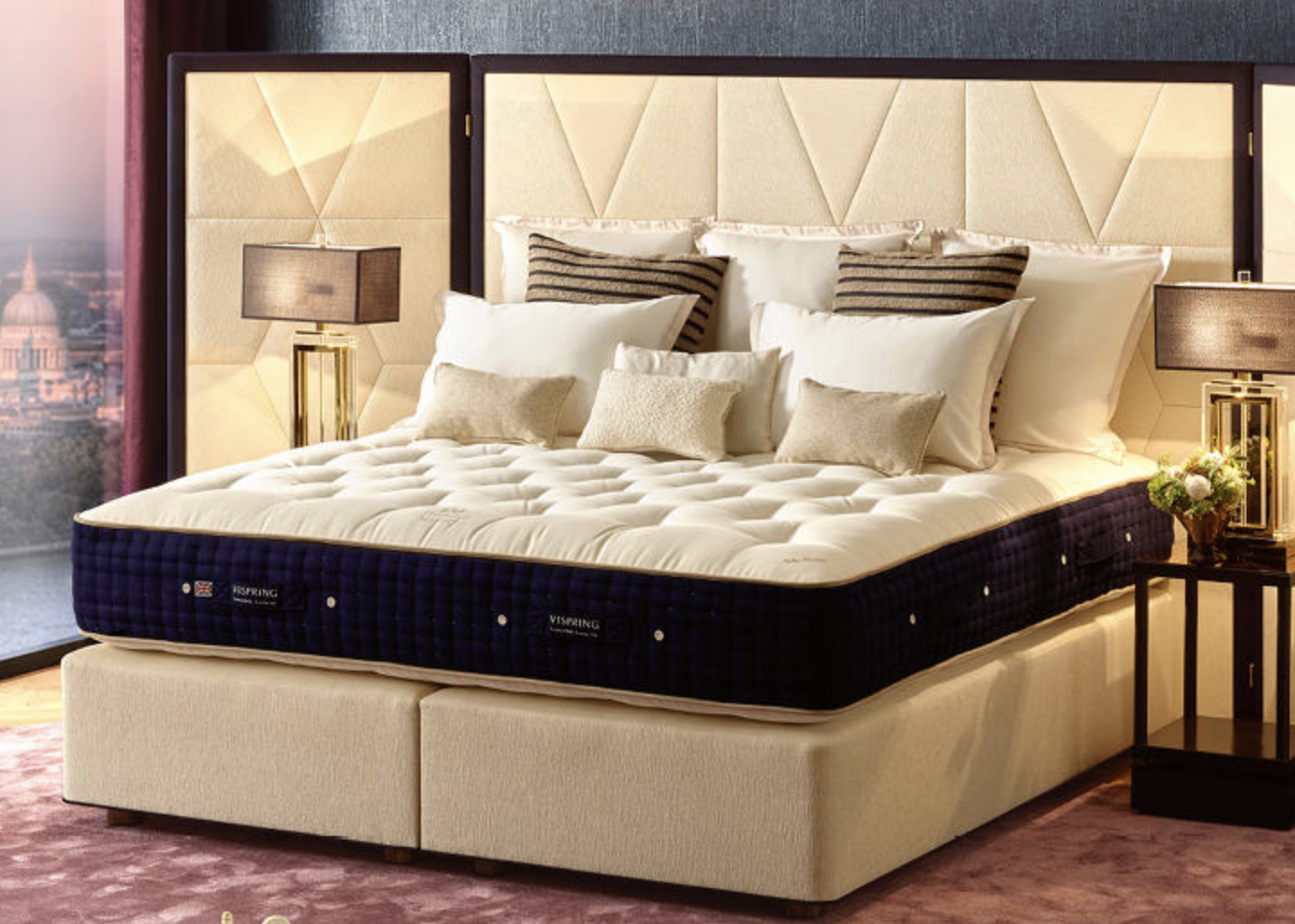
Vispring Diamond Majesty
Three layers of hand-nested springs under cashmere, silk, and Shetland wool — Vispring's no-compromise flagship
9.8/10
Firmness: 5.5/10
9.8
Support
9.9
Pressure Relief
9.8
Cooling
$44000
The right mattress is one of the most under-prescribed treatments for chronic lumbar pain. We tested 47 mattresses against the Lancet's medium-firm benchmark to find the 8 that actually let lower-back-pain sufferers wake up with less pain than they went to bed with.
Lumbar-specific picks only. For upper-back, mid-back, or general spinal pain, see our broader best mattresses for back pain guide.
Lancet-backed range that outperforms firm for chronic lumbar pain
Evidence-basedFirmer support beneath L4–S1 keeps spine neutral
Reduces nerve stressPlush comfort cradles hips so the pelvis doesn't tilt
Holds alignment all nightRanked by support and pressure-relief composite from our spinal alignment measurements.
| Mattress | Firmness | Type | Score | Queen price |
|---|---|---|---|---|
| Vispring Diamond Majesty | 5.5/10 | Handcrafted Triple-Layer Pocket Spring & Noble Fibers | 9.8/10 | $44000 |
| Hästens 2000T | 6/10 | Handcrafted Horsehair & Pocket Spring | 9.7/10 | $36000 |
| DreamCloud Premier | 6.5/10 | Luxury Hybrid | 9.6/10 | $1099 |
| Brooklyn Bedding ThermoBalance Elite | 6/10 | Luxury Hybrid | 9.5/10 | $1749 |
| SFERRA Sonno Notte Luxury Firm | 7/10 | Luxury Firm Innerspring | 9.4/10 | $5462 |
| Helix Midnight Luxe | 5.5/10 | Hybrid | 9.3/10 | $1099 |
| Saatva Classic | 6/10 | Innerspring Hybrid | 9.2/10 | $1295 |
| Hästens Superia | 6.5/10 | Handcrafted Horsehair & Pocket Spring | 9.4/10 | $12500 |
Three layers of hand-nested springs under cashmere, silk, and Shetland wool — Vispring's no-compromise flagship
Firmness: 5.5/10
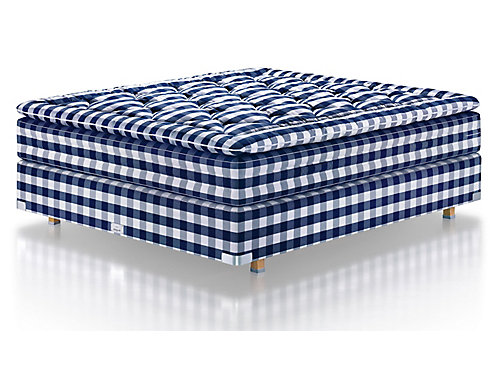
The hand-built Swedish horsehair bed that most people are comparing every other luxury mattress to
Firmness: 6/10
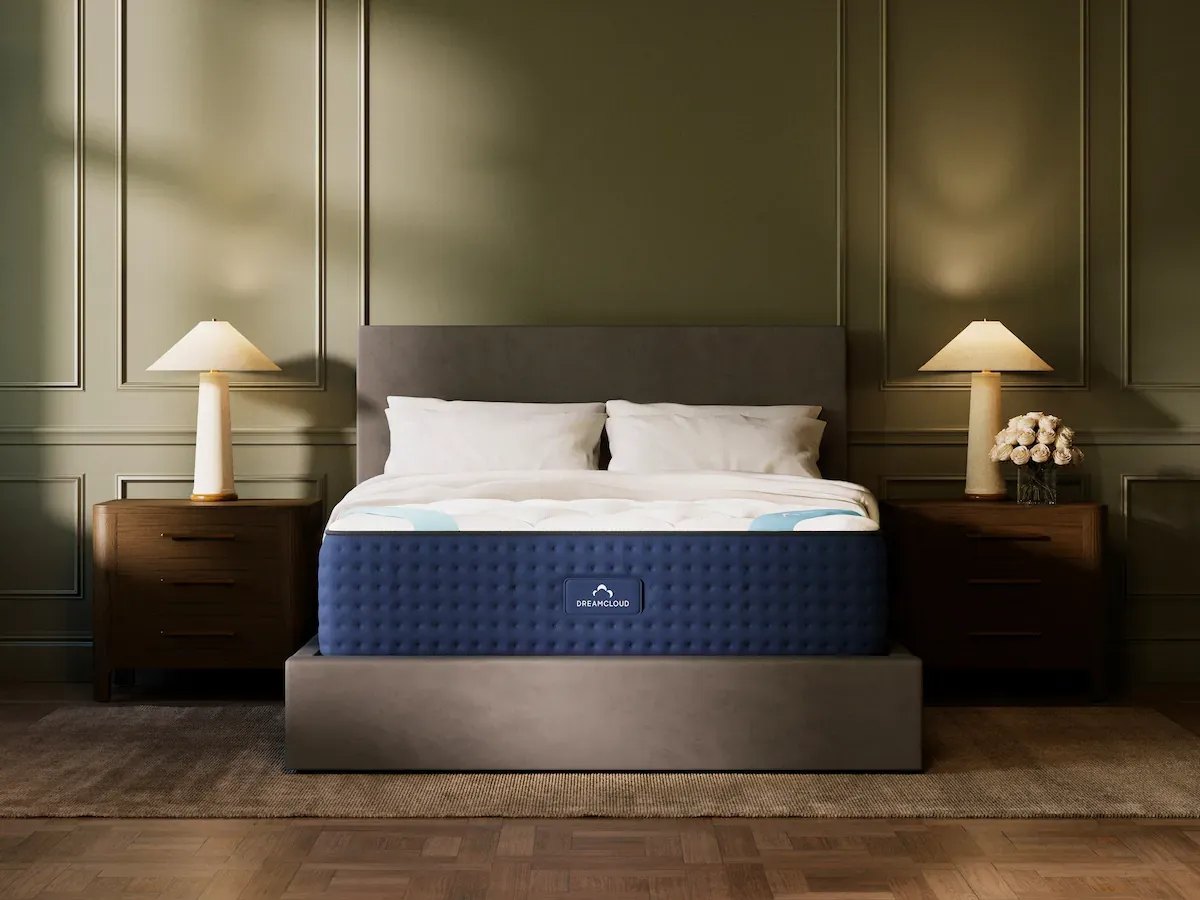
Firmness: 6.5/10
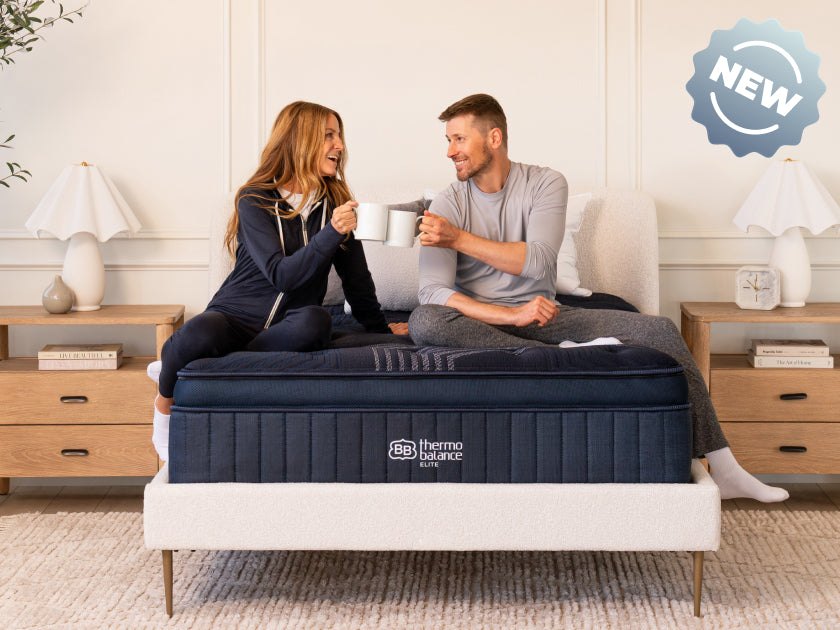
Firmness: 6/10
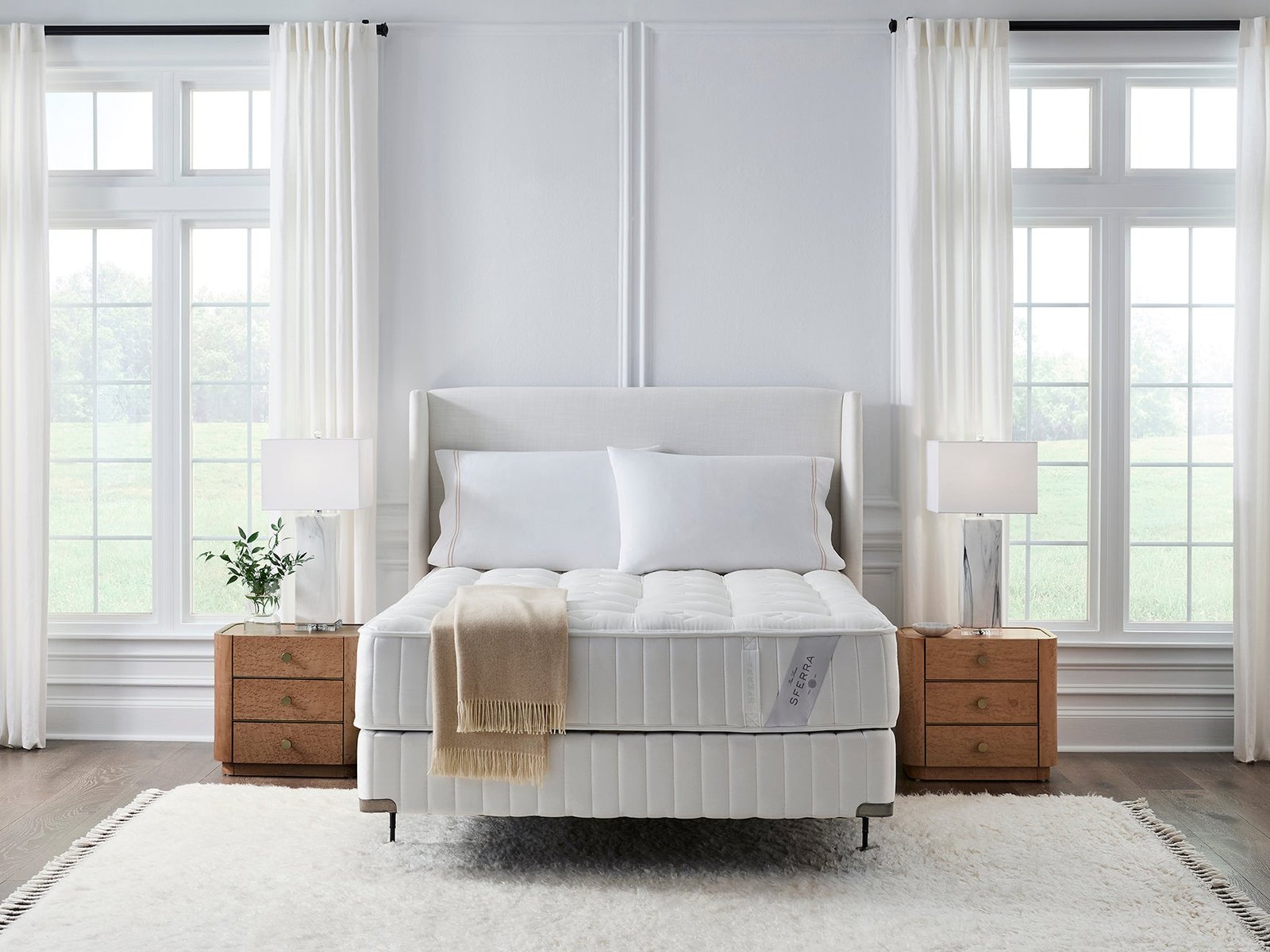
Firmness: 7/10
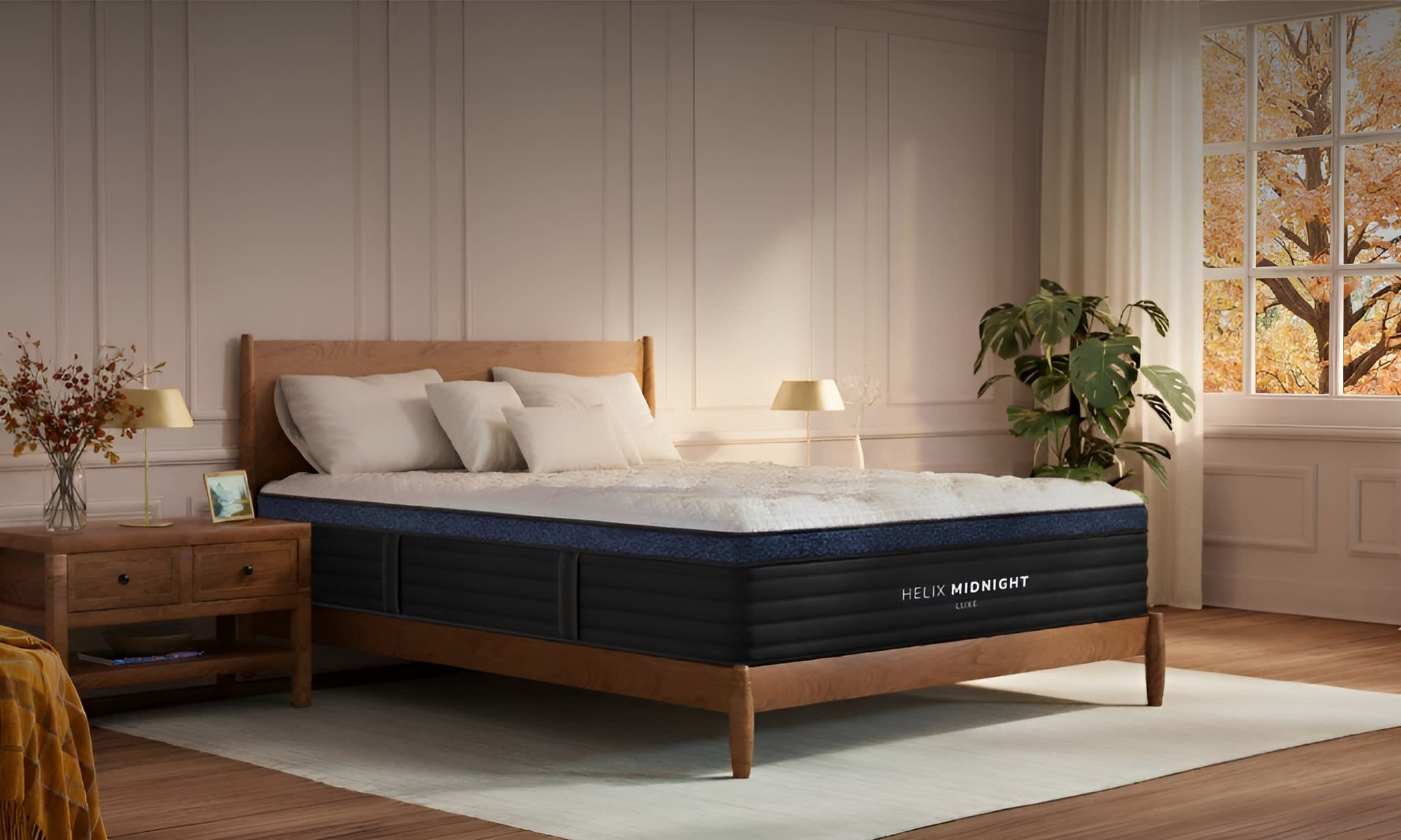
Firmness: 5.5/10
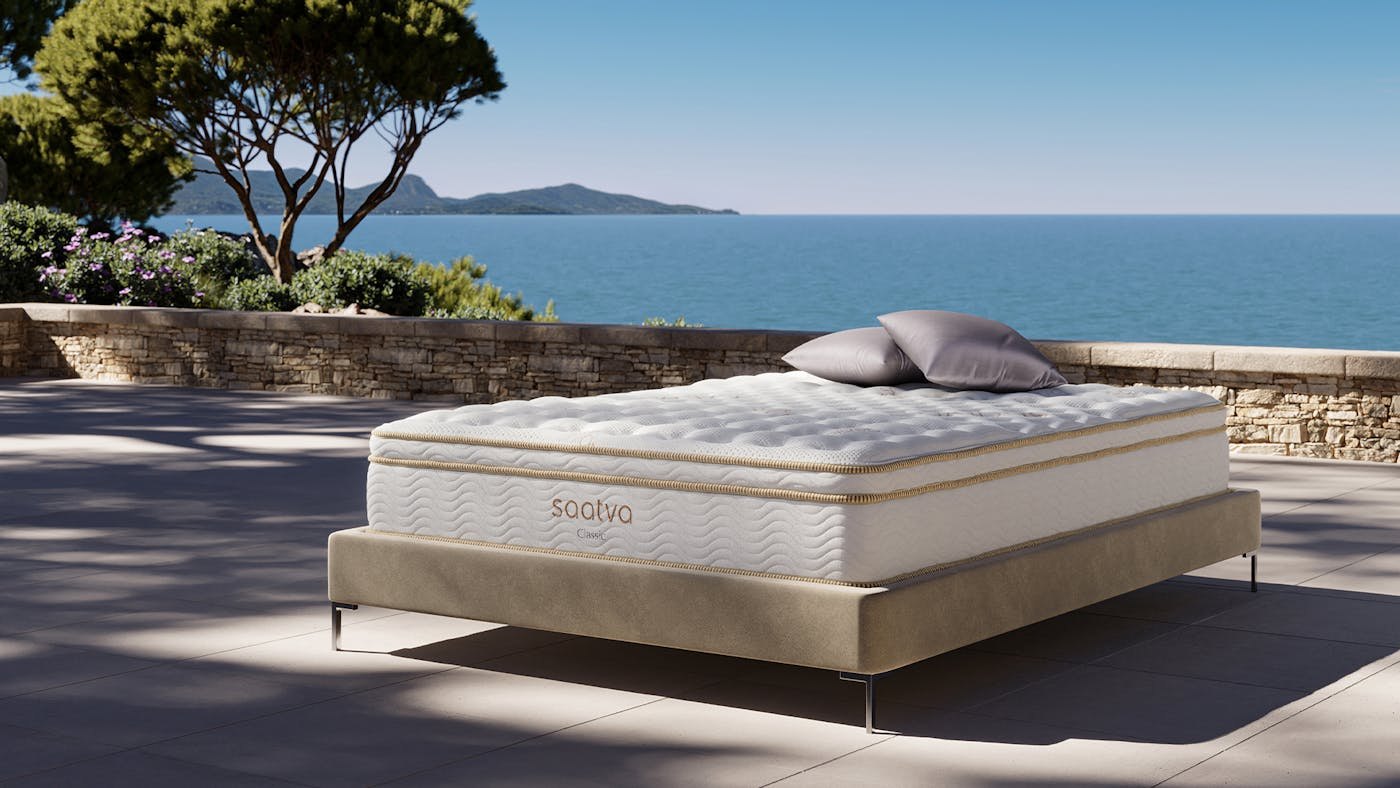
Firmness: 6/10
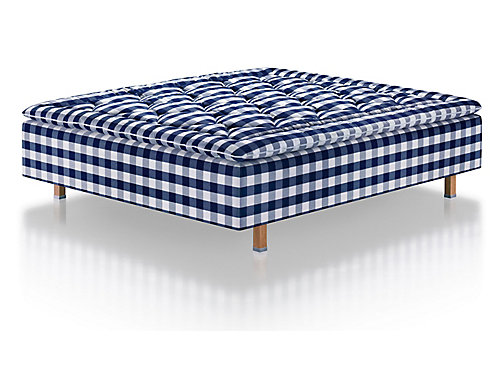
The entry point into Hästens craftsmanship — same horsehair construction at a third of the 2000T's price
Firmness: 6.5/10
In 2003, Kovacs et al. published a landmark trial in The Lancet randomizing 313 chronic lower-back-pain patients to firm or medium-firm mattresses for 90 days. The medium-firm group had significantly less pain in bed, less pain on rising, and less daytime disability. That study has shaped sleep medicine recommendations ever since.
Mechanistically, a mattress contributes to lower back pain in three measurable ways:
We measure spinal alignment with laser-leveled imaging at three body weights and two sleep positions. Mattresses earning a spot here keep lumbar deviation under 0.5 cm from neutral while maintaining hip pressure under 32 mmHg.
When to see a doctor.
Lower back pain with leg weakness, numbness, fever, unexplained weight loss, or bowel/bladder symptoms warrants medical evaluation. A new mattress is sleep optimization, not diagnosis.
The best mattresses for lower back pain are medium-firm hybrids (6–7/10) with zoned lumbar support and a contouring comfort layer. The Lancet's landmark 2003 study found medium-firm reduced disability scores more than firm mattresses for chronic low back pain.
No — this is a common myth. The 2003 Lancet trial of 313 chronic back pain patients found medium-firm outperformed firm on every disability measure. Firmness alone doesn't equal support; what matters is whether the mattress keeps the lumbar spine neutral.
Most testers report noticeable improvement within 2 weeks and peak benefit around 30 days. Your back muscles need time to relax their guarded posture and relearn proper alignment during sleep. Trial periods of 100+ nights let you reach this point comfortably.
Side sleeping with a pillow between the knees is best for most lumbar pain sufferers. Back sleeping with a pillow under the knees is a close second. Avoid stomach sleeping — it hyperextends the lumbar spine and amplifies most lower back conditions.
If your mattress is over 7 years old, sags more than 1 inch, or your back pain is worse on waking than at bedtime, it's time. Many lower-back-pain patients are sleeping on a worn-out mattress that's silently driving most of their morning stiffness.
Lower back pain is not one condition. Match how your pain behaves overnight to the construction that handled it best in our testing.
| Pain pattern | Target firmness | Best construction | Avoid |
|---|---|---|---|
| Worse on waking, eases during the day | 6.0 - 7.0 | Zoned hybrid with reinforced lumbar coils | Sagging or 7+ year old mattress |
| Side sleeper with hip drop | 5.5 - 6.5 | 3 inch comfort layer over pocketed coils | Firm tight-top with thin comfort layer |
| Back sleeper with lumbar gap | 6.5 - 7.5 | Firmer hybrid plus a knee pillow or adjustable base | Plush pillow top over weak core |
| Sciatica-style radiating pain | 6.0 - 7.0 | Zoned support with gentle hip cradle | Uniform firm surfaces that tilt the pelvis |
| Over 230 lb with lumbar sag | 7.0 - 8.0 | Reinforced hybrid with high-density transition foam | All-foam under 12 inches |
| Stiffness plus trouble turning over | 6.0 - 7.0 | Responsive latex hybrid | Deep slow-melt memory foam |
The Lancet trial found medium-firm beat firm on every disability measure. A rigid surface leaves a gap under the lumbar curve and the surrounding muscles hold tension all night to compensate.
Softness has to sit on structure. Without a firm core underneath, the pelvis sinks and the lumbar spine hammocks — the single most common cause of pain that is worse on waking.
More than about an inch of body impression means the support core is done. No topper reliably fixes a sagging core; it only masks it for a few weeks.
Stomach sleeping hyperextends the lumbar spine. If you cannot switch, a firmer surface and a very thin pillow limit the damage, but side or back sleeping is the better long-term change.
Guarded back muscles take two to four weeks to relax on a new surface. Early discomfort is common and is not by itself a reason to return a bed inside the first 21 nights.
We photograph testers from behind in side and back positions with markers on the spine, then measure deviation from neutral. Beds that let the pelvis tilt more than a few degrees are cut regardless of how they feel.
For back sleepers we measure the unsupported gap under the lumbar curve. A mattress can feel supportive and still leave a gap that keeps the paraspinal muscles working overnight.
We load the hip and shoulder zones separately to confirm that advertised zoning actually changes compression behaviour rather than being a marketing layer.
A weighted roller simulates repeated compression so we can see which support cores start losing lumbar height early — the failure mode most linked to returning back pain.
At-home testers record pain at bedtime and on waking for at least 14 nights. The gap between those two numbers tells us more about a mattress than any single comfort rating.
Back muscles need two to four weeks to adapt, so every pick here carries at least a 100-night trial with a full refund.
The mattress carries most of the load — these pieces handle the rest.
Broader picks covering upper, mid, and general spinal pain, not just the lumbar region.
If your support core is still solid, a topper can fix a surface that is simply too firm.
Elevating the knees flattens the lumbar curve and relieves pressure on the lower spine.
Hip drop is a frequent hidden driver of lumbar pain in side sleepers.
If you're researching lower back pain, these related guides often help too.
Medium-firm support for general back pain
Read guidePressure relief for nerve root pain
Read guideNeutral spine, low compression
Read guideSlight flexion to open the canal
Read guideAdaptive contouring for curved spines
Read guideStability without lumbar extension
Read guideGet notified about notable manufacturer sales and price changes for the picks here.
No spam, no daily blasts. Unsubscribe in one click.
Get exclusive coupons and price drop alerts delivered to your inbox.
Keep exploring
Frequently Asked
Sleep Sage cites primary sources for all clinical claims. Lab measurements (firmness, pressure, temperature, motion transfer) originate from our internal protocol described at /how-we-test.
Before you buy, read the brand: construction, pricing bands, trial and warranty terms, and how each company's lineup performed in our Encinitas lab.
Hand-picked guides and reviews from our editorial team.
Firm picks that protect the lumbar spine.
Medium-firm hybrids tested for spinal alignment.
Picks tested for nerve-pain relief.
Spine-supportive picks from our lab testing.
Picks that decompress the spine.
Adaptive support for spinal curvature.