#1
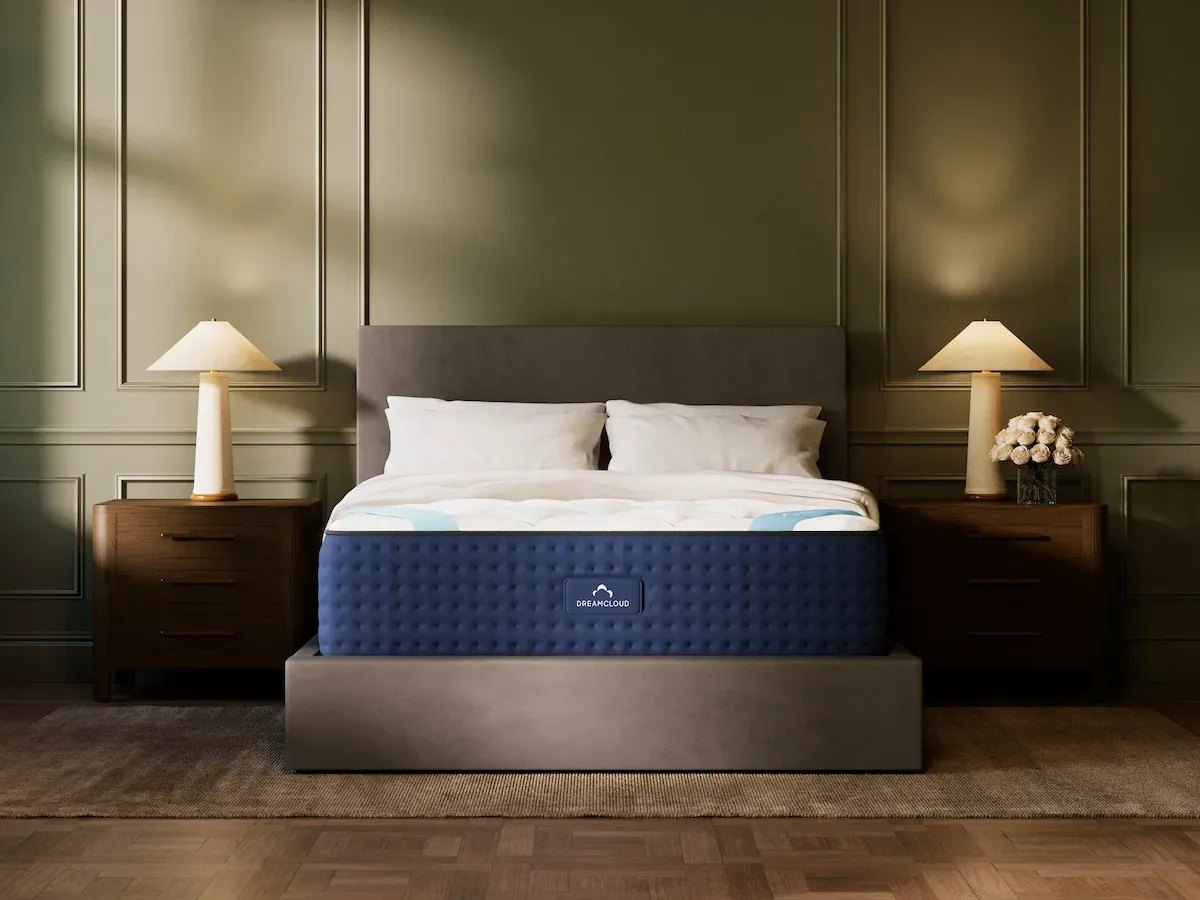
9.6/10
Firmness: 6.5/10
9.7
Support
9.2
Cooling
9.4
Edge Support
$1099$1099
Hybrid mattresses combine the best of both worlds: coil support with foam comfort. Perfect for sleepers who want bounce, cooling, and pressure relief.
Coil support + foam comfort layers
Balanced feelCoils promote airflow through the mattress
Sleeps cooler than all-foamReinforced edges for stable seating
Full use of mattress surfaceFirmness: 6.5/10
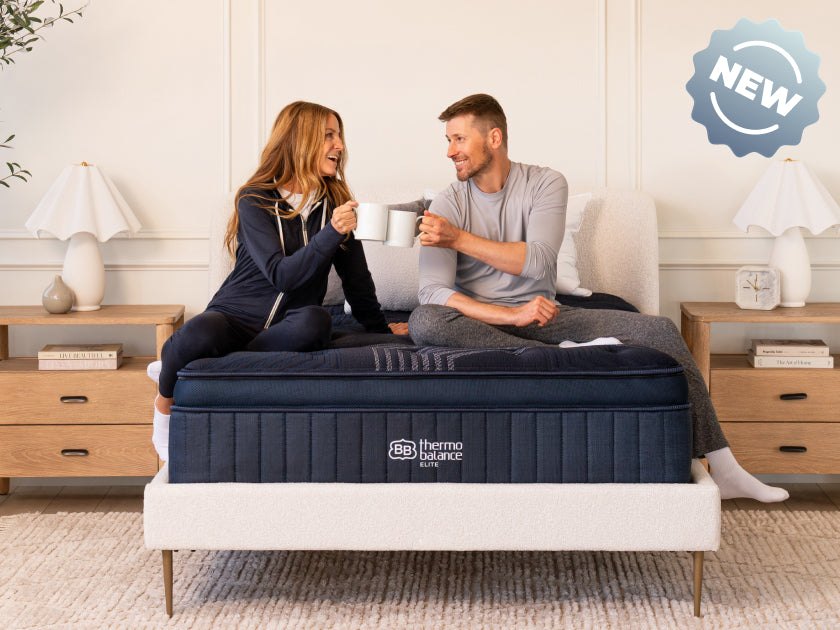
Firmness: 6/10
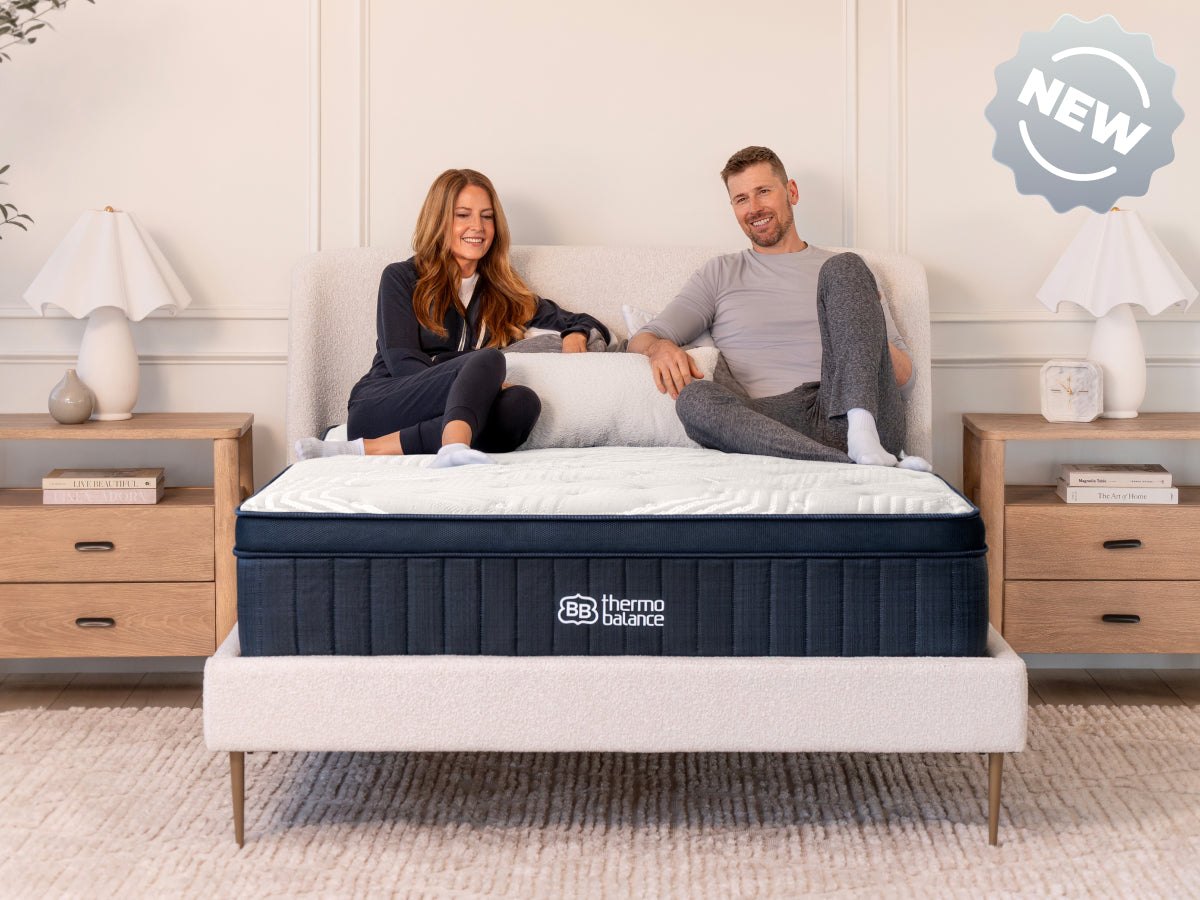
Firmness: 6/10
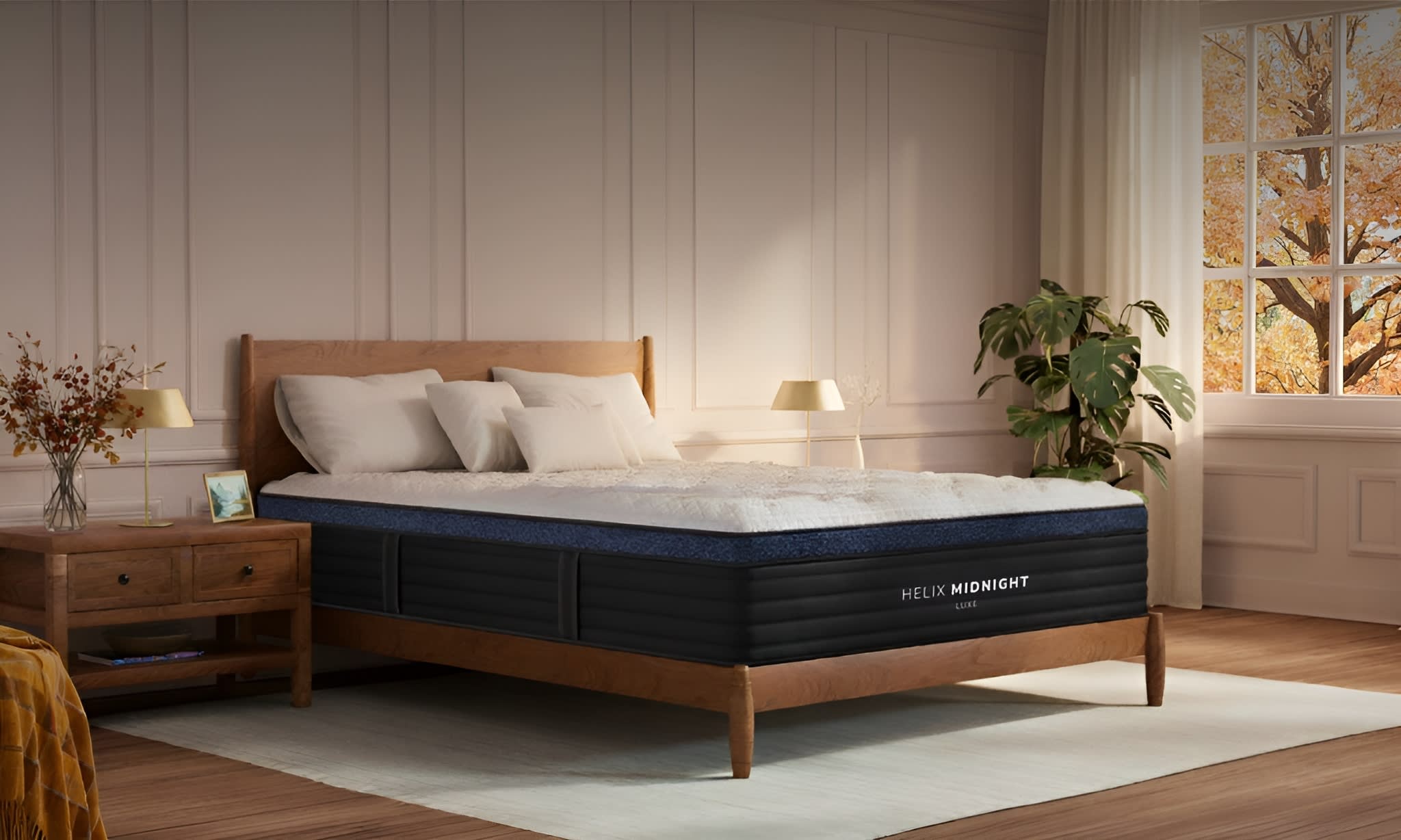
Firmness: 6/10
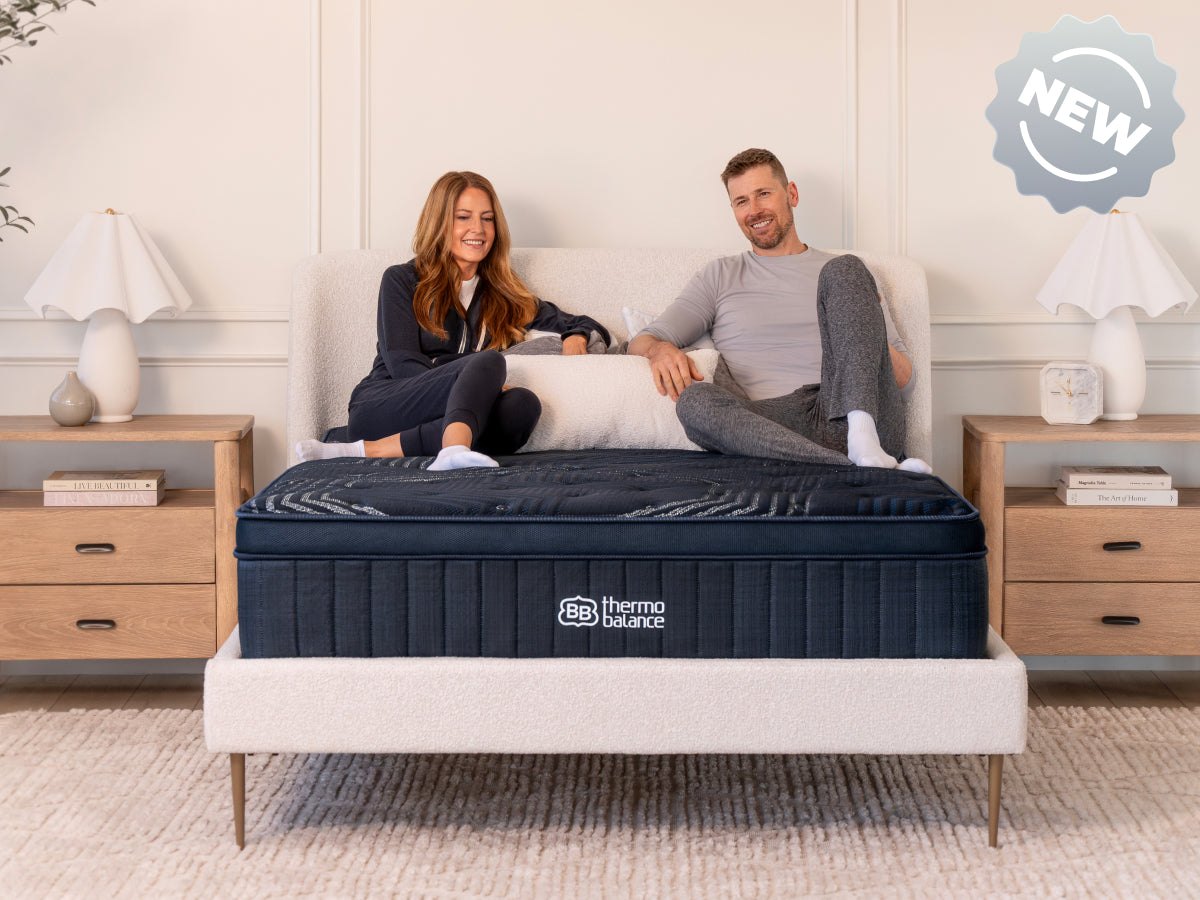
Firmness: 6/10
Firmness: 5/10
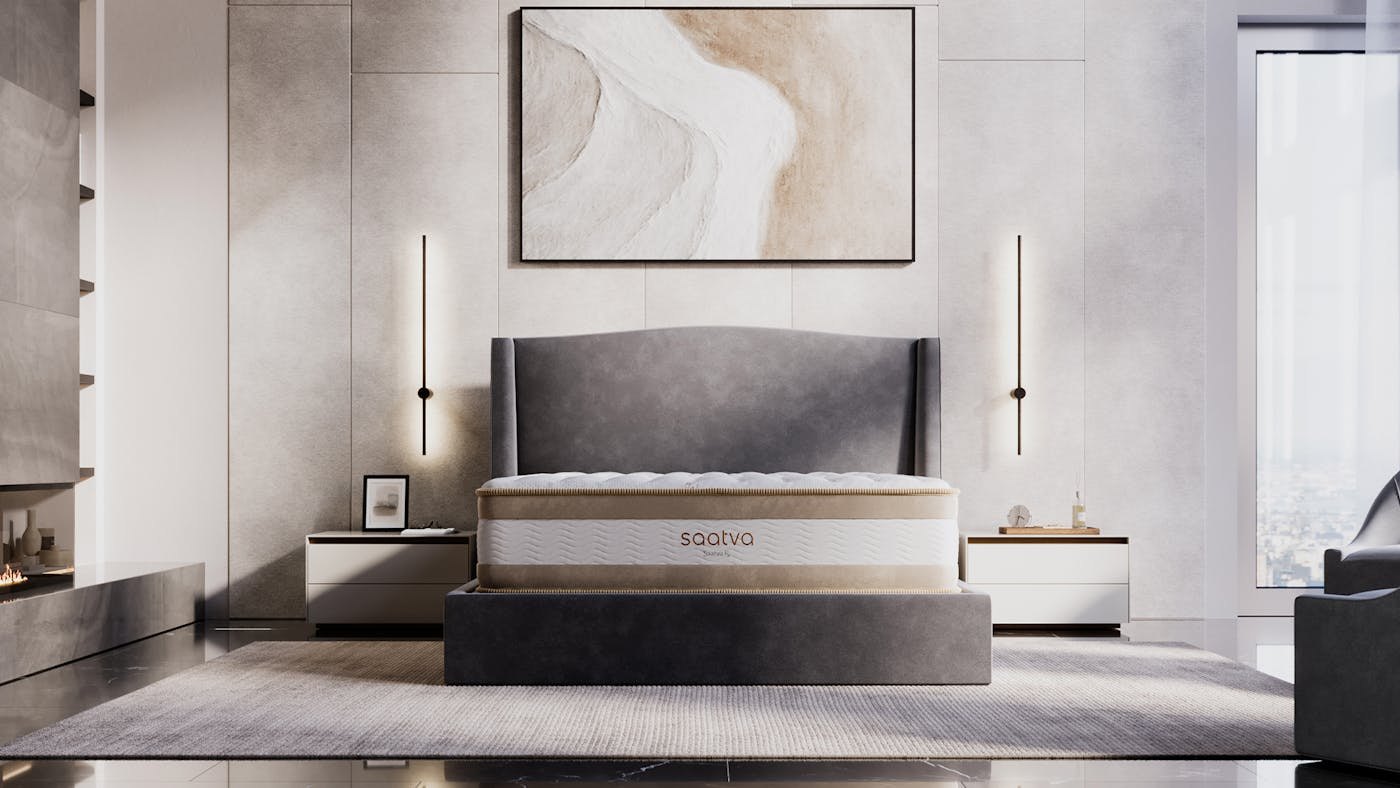
Firmness: 3.5/10
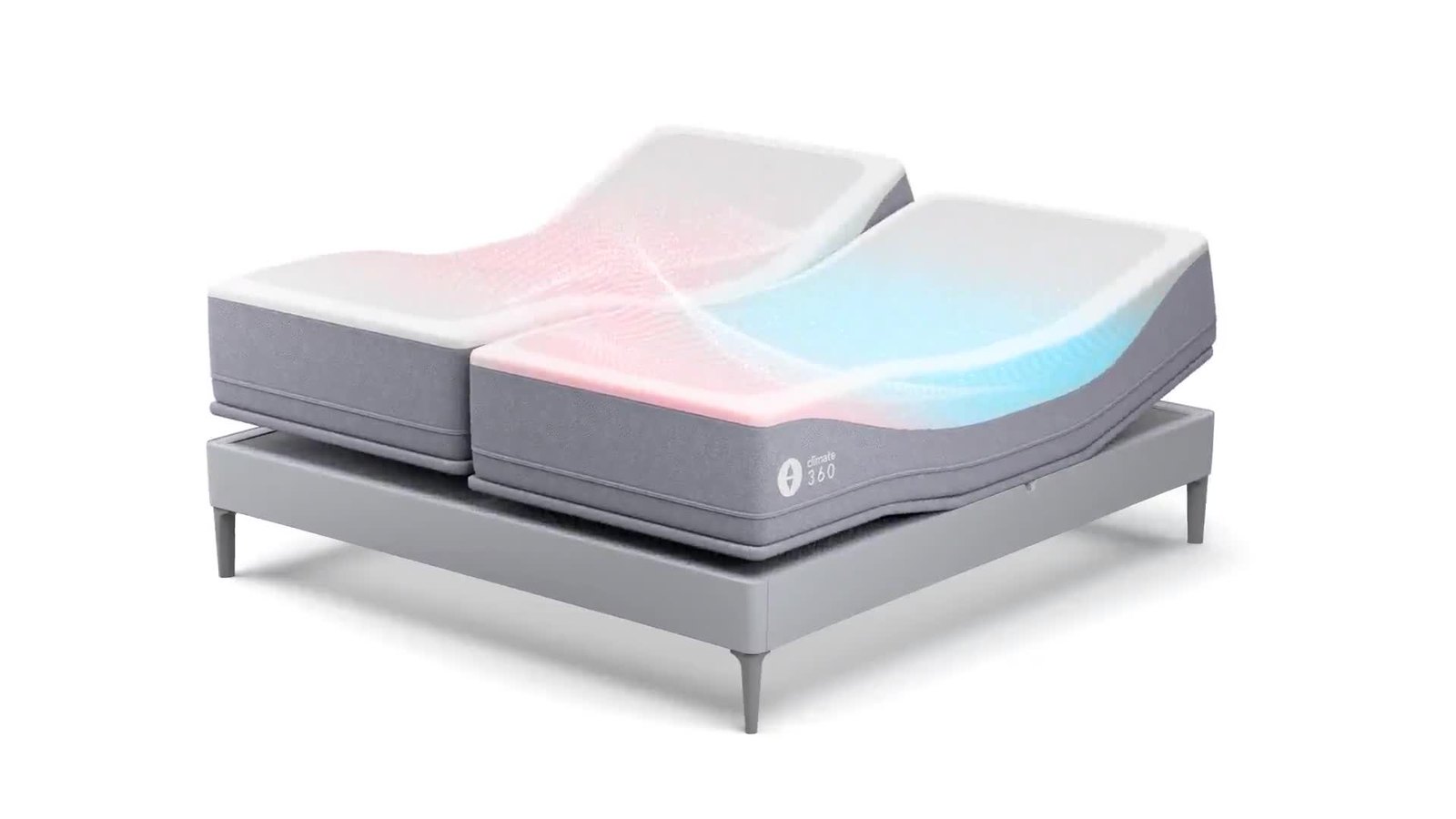
Firmness: 5/10
Hybrid shoppers tend to weigh the same head-to-head matchups. Here's how the top contenders compare on lab data, trial length, and price at Queen.
Our highest-scoring hybrid overall is the WinkBed, which we ran through our full lab protocol: pressure mapping, thermal imaging, and edge-load testing in all four firmness builds. Read the full WinkBed mattress review for firmness-by-body-weight guidance, current prices by size, and the WinkBeds complaints worth knowing before you order.
Coil counts, comfort layers and lab scores for every hybrid we recommend, in one table.
| Mattress | Type | Firmness | Support score | Queen price | Trial | |
|---|---|---|---|---|---|---|
| DreamCloud Premier | Luxury Hybrid | 6.5/10 | Research evaluation · no measured score | $1,099 | 365 nights | Check price |
| Brooklyn Bedding ThermoBalance Elite | Luxury Hybrid | 6/10 | Research evaluation · no measured score | $1,749 | 120 nights | Check price |
| Brooklyn Bedding ThermoBalance LX | Latex Hybrid | 6/10 | Research evaluation · no measured score | $1,374 | 120 nights | Check price |
| Helix Midnight Luxe | Hybrid | 6/10 | Research evaluation · no measured score | Check current price | 120 nights | Check price |
| Brooklyn Bedding ThermoBalance | Luxury Hybrid | 6/10 | Research evaluation · no measured score | $1,282 | 120 nights | Check price |
| Technogel Favola 3.0 | Gel Hybrid | 5/10 | Research evaluation · no measured score | $3,775 | 90 nights | Check price |
| Saatva RX | Luxury Hybrid | 3.5/10 | Research evaluation · no measured score | $2,932 | 365 nights | Check price |
| Sleep Number Climate360 | Air Chamber Hybrid | 5/10 | Research evaluation · no measured score | $6,999 | 100 nights | Check price |
Prices come from catalog records or a dated snapshot, not a live price feed. Check the seller's current offer, trial exclusions and warranty terms. Numeric performance scores appear only for models with supporting lab evidence.
Reviews combine hands-on lab evaluation for mattresses we have physically tested and clearly labeled research evaluations based on manufacturer specifications, materials analysis, and verified owner feedback for models we have not.
Protocol: We use a calibrated deflectometer to measure how far the surface compresses under a 50 lb / 100 lb / 150 lb load across the lumbar zone, then photograph each tester from behind using a grid overlay to verify spinal neutrality within 5° of standing posture.
Why it matters: A mattress that lets the hips sag 1.5" deeper than the shoulders forces the lumbar spine into a curve all night — the #1 mechanical cause of morning back pain.
Protocol: Subject lies on their dominant side for 5 minutes to allow material to fully conform, then we capture a 60-second average map. We report peak shoulder mmHg (not average) because peak pressure is what causes capillary closure. That single standardized reading — peak shoulder pressure (mmhg) for a 165 lb side sleeper — is the only pressure figure that feeds the v2.1 score. Supplemental to the score, we also map heavier and lighter body types (145 lb, 195 lb, 245 lb) to show how a bed behaves by weight on category pages; those maps are analysis, not score inputs. Anything under 32 mmHg — the capillary-closure threshold — is a passing reading.
Why it matters: Numbness at the shoulder or hip is the single biggest reason side sleepers wake up. Pressure mapping turns that into a measurable number instead of an opinion.
Protocol: Three drops with the accelerometer mounted 12" from impact. We record peak g-force and use the median trial. Equipment: PCB Piezotronics 393B05 accelerometer + custom drop rig (10 lb steel ball, 12" drop). Lower peak g-force means less partner disturbance. (The 25 lb plate used elsewhere in our lab belongs to the separate response-time test, not this one.)
Why it matters: If you sleep with a partner or a pet, motion transfer is what wakes you up at 3 a.m. — even more than firmness mismatch.
Protocol: Testing duration varies by product and is stated on the individual review only where our records support it. Sleep Sage does not claim a fixed minimum number of nights for every mattress. Where we held a unit long enough for extended sleep testing, testers matched to the category profile logged morning pain scores and sleep-quality ratings nightly, and that duration is stated on the individual review.
Why it matters: Two beds can post identical lab scores and feel completely different after a real week of use. The panel is what catches the edge cases.
Our full testing protocol is documented at sleepsage.com/how-we-test. We accept review units from brands but pay for any product we keep, and rankings cannot be purchased.
Get notified about notable manufacturer sales and price changes for the picks here.
No spam, no daily blasts. Unsubscribe in one click.
Get exclusive coupons and price drop alerts delivered to your inbox.
Keep exploring
Frequently Asked
Hand-picked guides and reviews from our editorial team.
Medium-firm hybrids tested for spinal alignment.
Reinforced support for 230+ lbs.
Fast-response hybrids and latex for position-switchers.
Recovery-focused picks.
Picks rated 7+ on the firmness scale.
Category winners ranked on fill, loft, cooling and owner feedback.