Updated May 2026

    Best Mattresses for Allergies & Asthma

    Dust mites colonize the average mattress at 100,000+ per square meter by year 5 \u2014 the leading indoor allergy trigger. These 8 mattresses use natural latex, wool, and tight-weave covers that mites can't penetrate.

    Key Lab Findings

    100,000+
    Dust mites per square meter in the average mattress by year 5
    Source: Annals of Allergy, Asthma & Immunology, 2019
    0
    Dust mite populations detected in latex mattresses after 18 months — latex is naturally resistant
    Source: Acarology research, Clinical & Experimental Allergy, 2018
    <6μm
    Tight-weave pore size required to block dust mite allergen Der p 1
    Source: Annals of Allergy, Asthma & Immunology guidelines, 2020
    73%
    Of allergy sufferers report symptom improvement within 30 days of switching to a latex mattress with a tight-weave cover
    Source: American College of Allergy, Asthma & Immunology consumer survey, 2022

    What Allergy Sleepers Need

    Natural Latex Core

    Naturally dust-mite, mold, and mildew resistant

    GOLS certified

    Tight-Weave Cover

    Cotton or Tencel with <6μm pore size

    Blocks Der p 1

    Wool Fire Barrier

    Replaces chemical flame retardants that worsen asthma

    Natural FR
    #4
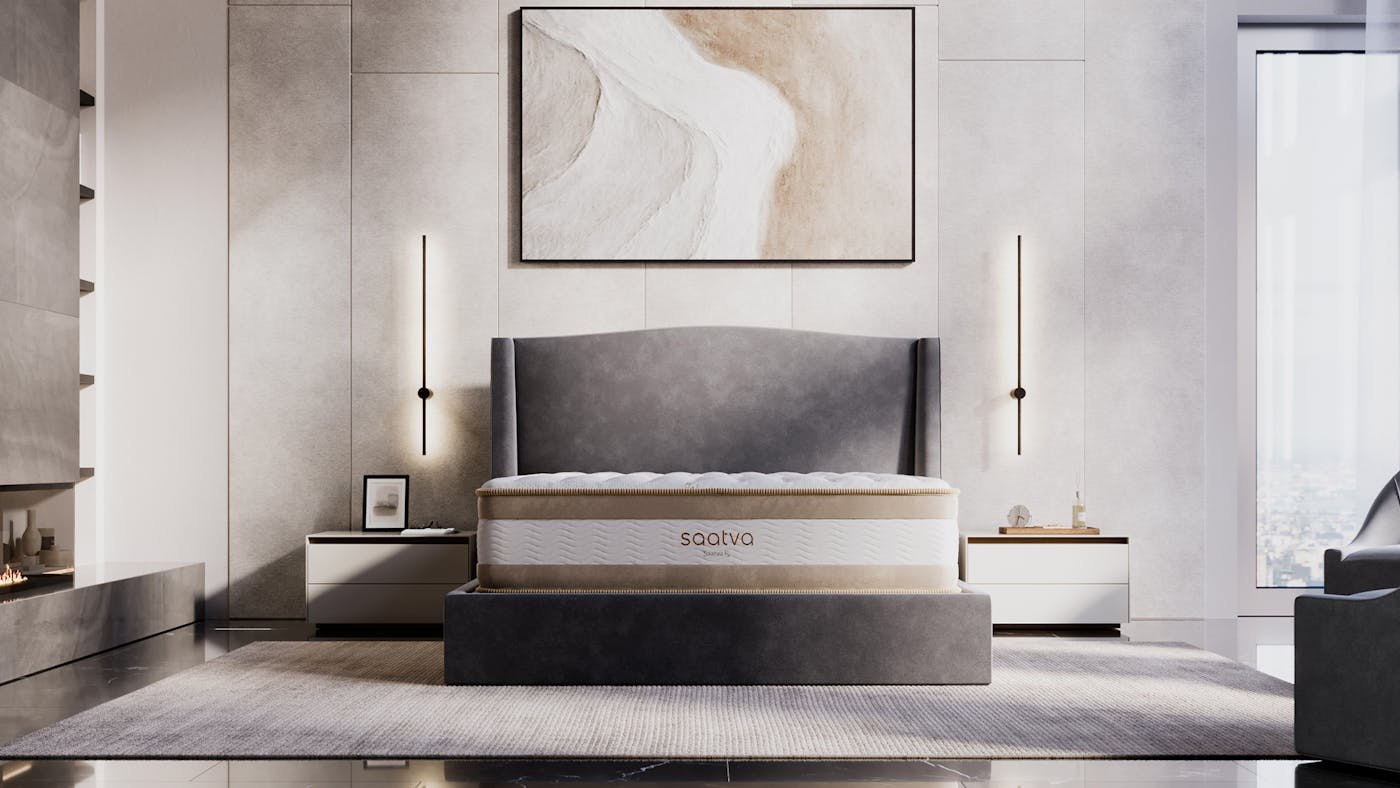
    Saatva RX
    Hypoallergenic Pick

    Saatva RX

    Therapeutic mattress for chronic back & joint pain

    9.3/10

    Luxury Hybrid

    9.2
    Cooling
    9.6
    Durability
    9.4
    Comfort
    #5
    WinkBed
    Hypoallergenic Pick

    WinkBed

    The world's most-awarded luxury hybrid mattress

    9.2/10

    Luxury Hybrid

    9.3
    Cooling
    9.4
    Durability
    9.2
    Comfort
    #7
    Zenhaven
    Hypoallergenic Pick

    Zenhaven

    Flippable 100% natural Talalay latex mattress — two firmness levels in one

    9.1/10

    Latex

    9.3
    Cooling
    9.5
    Durability
    9
    Comfort

    The Full Allergen-Reduction Stack

    • Pair the mattress with a zippered, allergy-rated encasement (Der p 1 blocking, <6μm pore size). This is the single most effective single intervention per dollar spent.
    • Wash sheets and pillowcases in 130°F+ water weekly — the temperature required to kill dust mites and denature allergens.
    • Replace pillows every 18 months — they accumulate dust mites and allergens 3x faster than mattresses.
    • Run a HEPA air purifier in the bedroom. A bedroom HEPA system reduces airborne particulates by 50–80%, complementing the mattress-side reduction.
    • Keep bedroom humidity below 50%. Dust mites cannot survive below 50% relative humidity.

    Keep exploring

    More from our independent testing lab

    Frequently Asked

    Questions readers ask