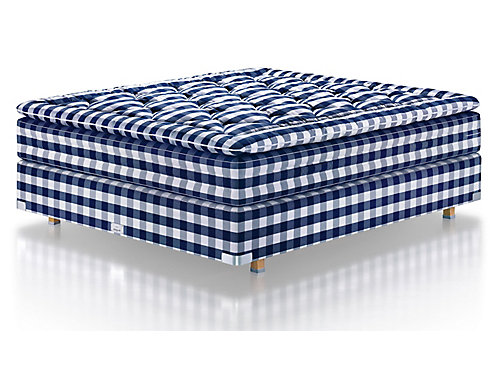
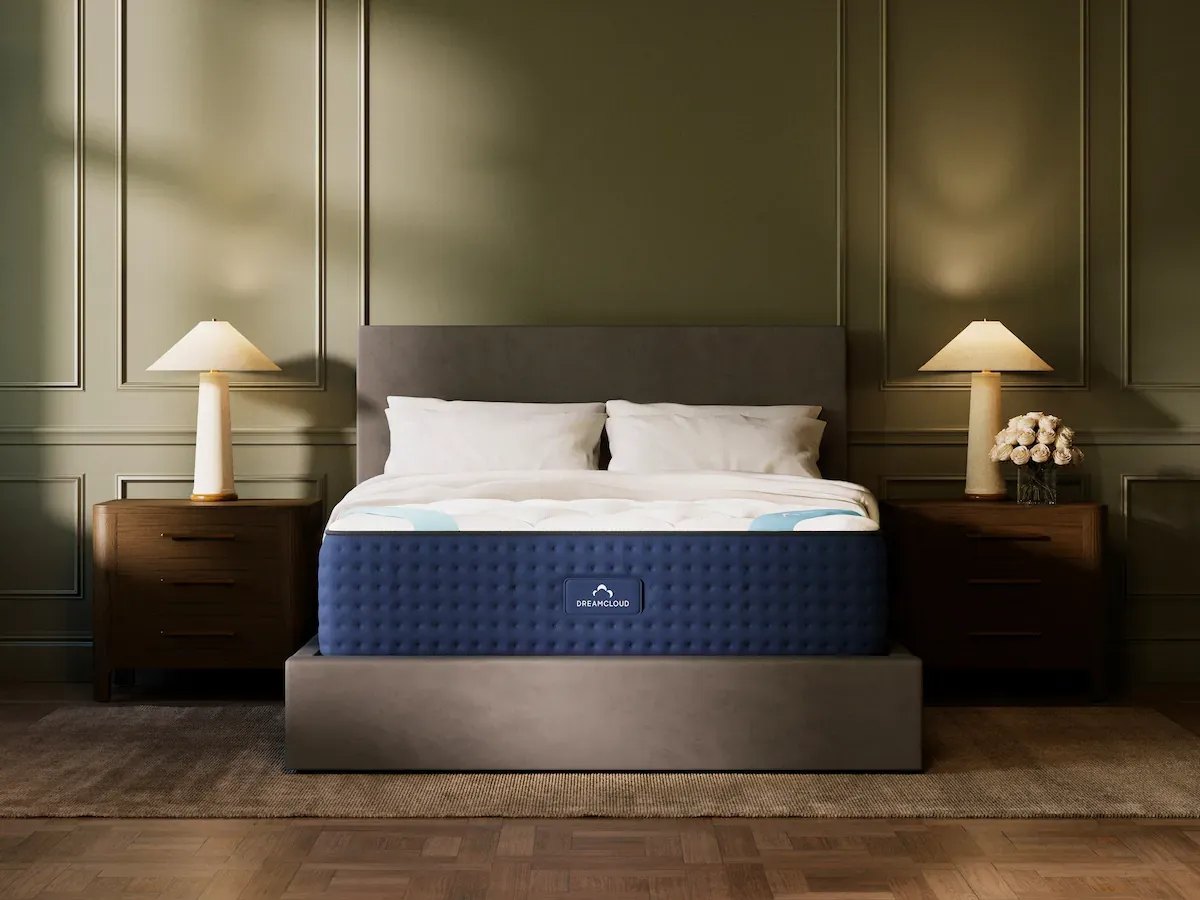
Vispring Diamond Majesty
Three layers of hand-nested springs under cashmere, silk, and Shetland wool — Vispring's no-compromise flagship
At 76 inches wide, a king only pays off if motion stays put and the edges hold. These are the models that kept a partner's movement from crossing the bed in our testing — plus what a king demands of your room and frame.
Extra width means a bounce has more distance to propagate. Pocketed coils and dense foam matter more at king than at any smaller size.
Prioritize motion isolation 8+Every king foundation needs a center rail with a leg to the floor. Skip it and you get a mid-bed dip — and a voided warranty.
Check your frame before deliveryA king needs about 144 sq ft to walk around, and king sheets, duvets and protectors all cost more than queen equivalents.
Budget beyond the mattressFull dimensions in our mattress size guide, or compare with twin and twin XL.
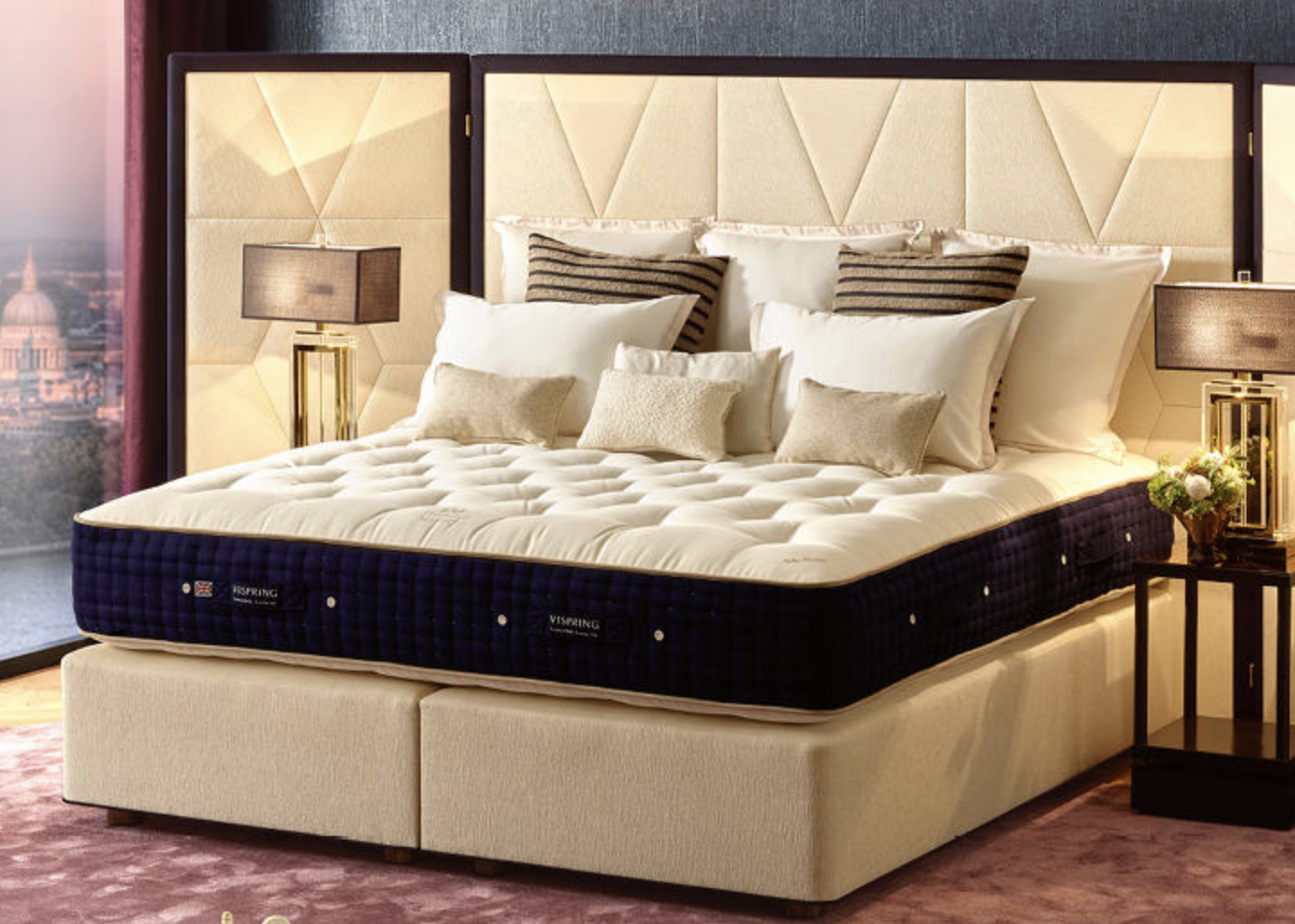
Three layers of hand-nested springs under cashmere, silk, and Shetland wool — Vispring's no-compromise flagship

The hand-built Swedish horsehair bed that most people are comparing every other luxury mattress to


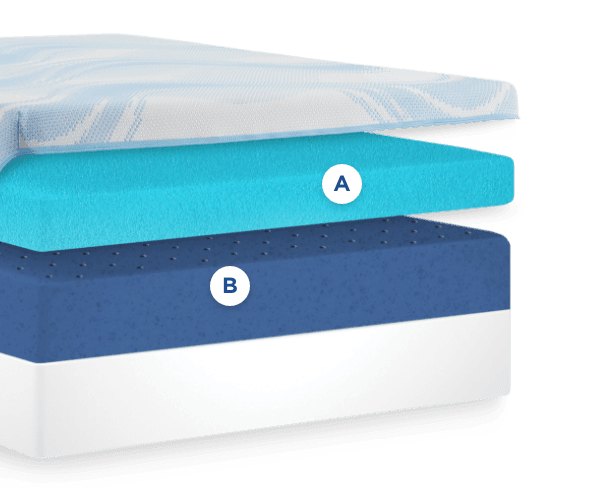
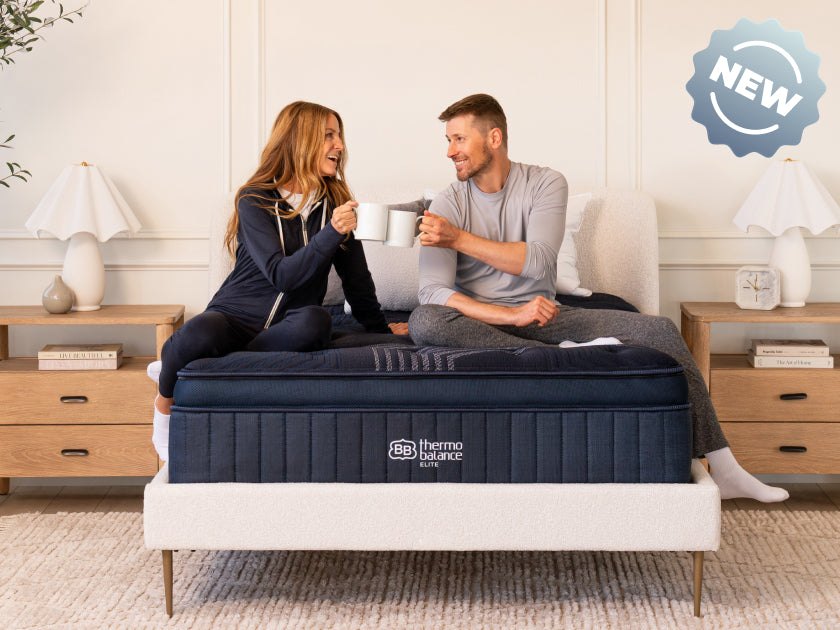
Feel up to 8° cooler — the ultimate cooling mattress


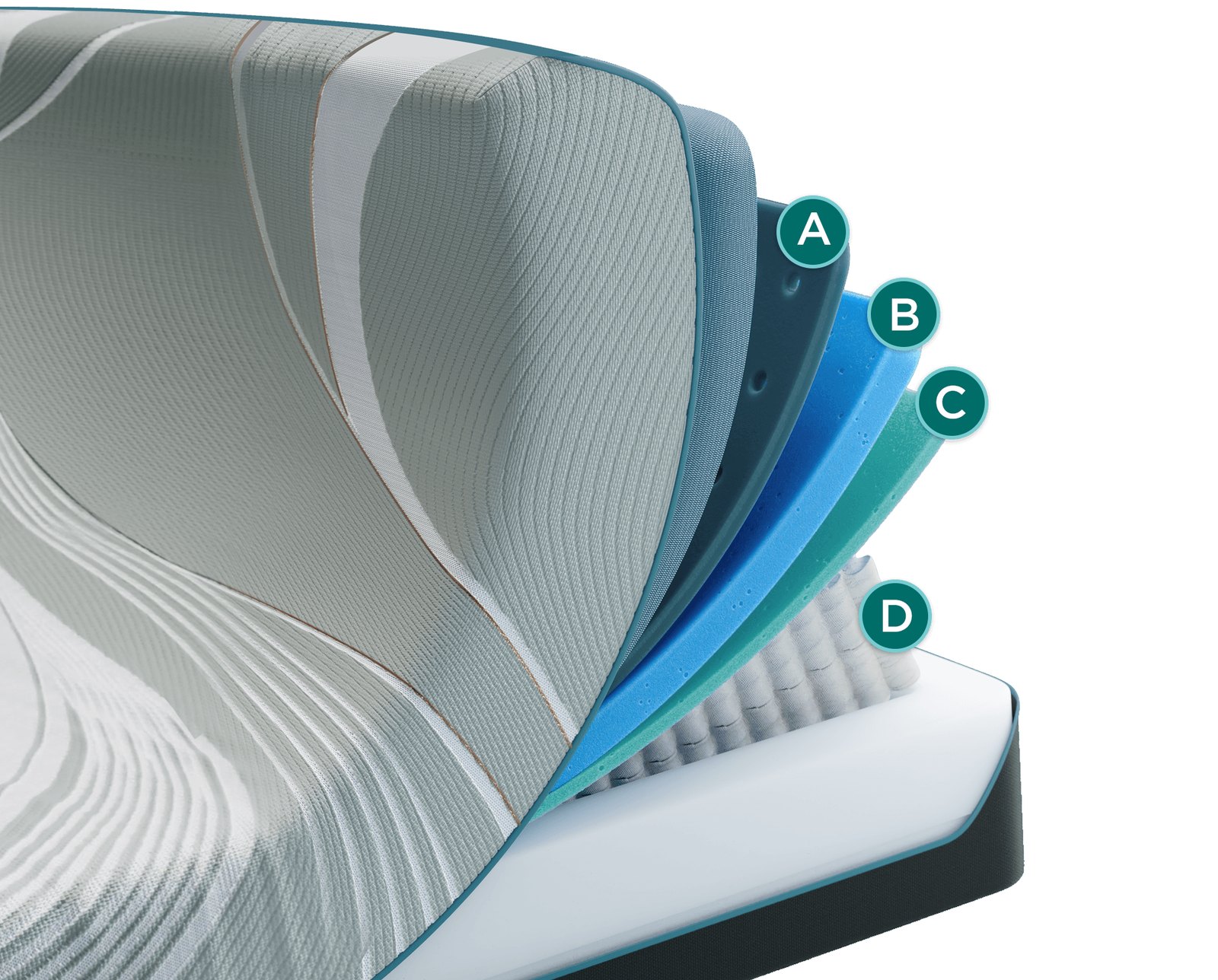
Luxury cooling engineered with Talalay latex
Two average-height adults, square bedroom → standard king (76" × 80")
Anyone over 6'2", or a long narrow room → California king (72" × 84")
Partners who disagree on firmness → split king, two twin XLs
One partner wants the head raised at night → split king on dual adjustable bases
Older home with tight stairs → bed-in-a-box king, or split king in two pieces
Room under 12' × 12' → stay with a queen; a king will block a walkway
Related: split king adjustable beds · best mattresses for couples · luxury mattresses
A standard (eastern) king is 76" × 80" (193 × 203 cm). A California king is 72" × 84" — four inches narrower and four inches longer. A split king is two twin XLs side by side, matching standard king footprint at 76" × 80".
Choose California king only if someone in the bed is taller than about 6'2", or the bedroom is long and narrow. Everyone else is better served by the standard king: it gives each partner 38 inches of width instead of 36, and bedding is far easier to find and cheaper.
Plan on 12' × 12' (144 sq ft) minimum. That leaves roughly 24 inches of walking space on three sides plus nightstands. In a 10' × 12' room a king fits but blocks one side, which usually makes a queen the better buy.
Yes. Any king-size foundation or platform bed needs a center support rail with at least one leg to the floor, and most warranties are void without it. Sag complaints at the middle of a king are far more often a foundation failure than a mattress defect.
A single king cannot be two firmnesses. If partners disagree, a split king — two twin XL mattresses — lets each person pick their own firmness and their own adjustable base position. The tradeoff is a visible seam, which a split-king mattress pad largely solves.
Budget foam kings start near $700, quality hybrids run $1,400–$2,400, and luxury latex or innerspring kings reach $2,500–$5,000. King is typically 25–40% more than the same model in queen, and remember bedding costs jump too — king sheets and duvets run noticeably higher than queen.
A bed-in-a-box king ships compressed in one carton and fits nearly any stairwell. Traditional innerspring kings do not compress and often will not turn a tight landing — one more reason split king appeals in older homes, since two twin XL pieces navigate stairs easily.
Keep exploring
Hand-picked guides and reviews from our editorial team.
Twin to California King dimensions.
Positions, base selection, compatibility, lumbar support and troubleshooting.
Motion isolation + edge support.
Local showroom guide.
Compare topper materials, thickness, firmness, cooling and value.
Waterproof, cooling and quiet protectors compared by fit and construction.