1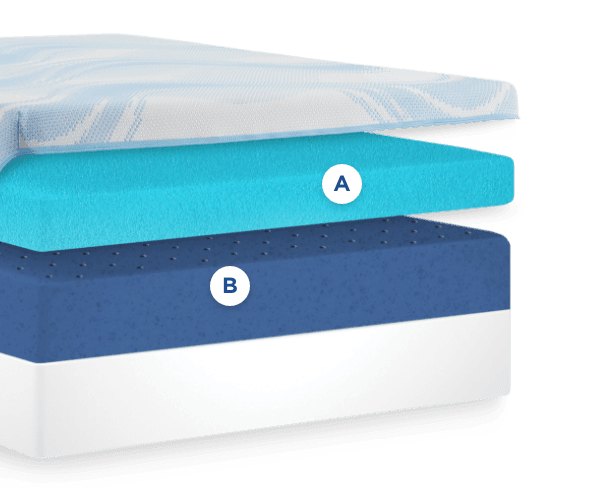
Tempur-Pedic TEMPUR-LUXEbreeze°
9.5Memory FoamMedium Soft
Key strength: Feel up to 8° cooler — the ultimate cooling mattress
$4,999$5,899
Queen is the size most people should buy. It gives each partner 30 inches of width, fits a 10-by-10 bedroom with walking space on three sides, and — crucially — it is the size every brand builds first, so the selection and the discounting are better than at any other size.
It is also the size we price and score all of our reviews at, which makes cross-brand comparison honest. The picks below are the tested models that hold up best for the way queens are actually used: two adults, one bed, one compromise on firmness.
Key strength: Feel up to 8° cooler — the ultimate cooling mattress
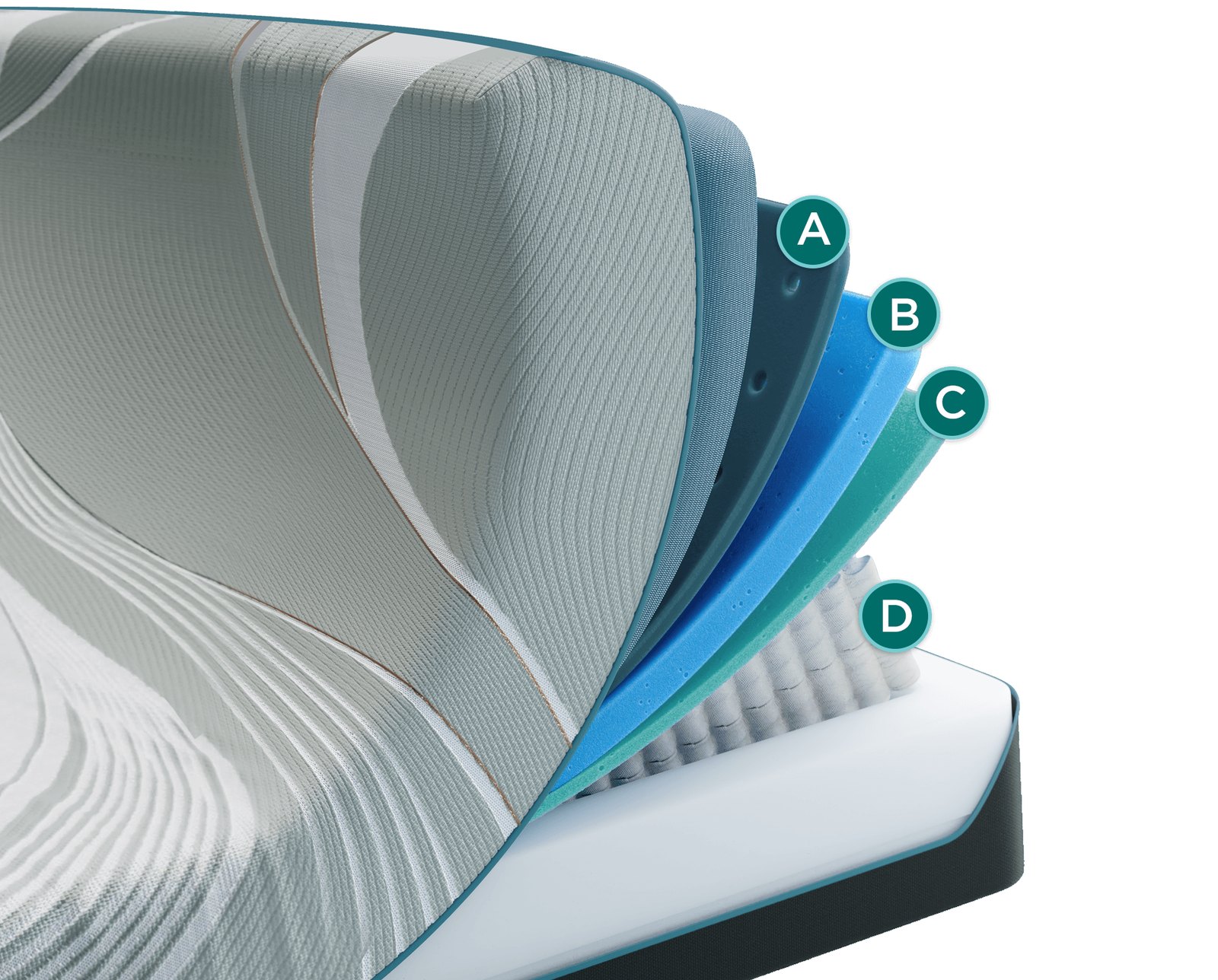
Key strength: The ultimate in body-conforming luxury
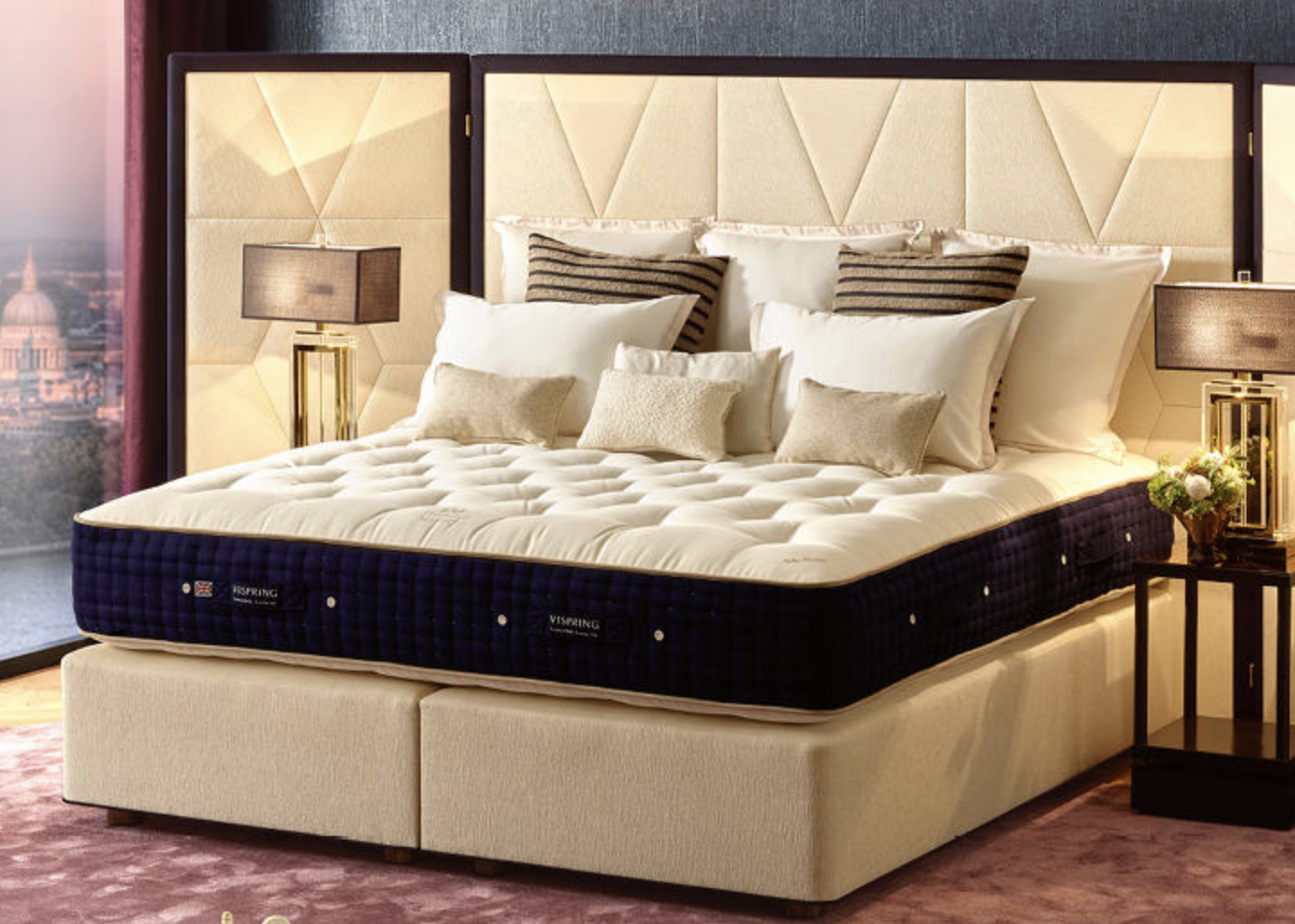
Key strength: Three layers of hand-nested springs under cashmere, silk, and Shetland wool — Vispring's no-compromise flagship
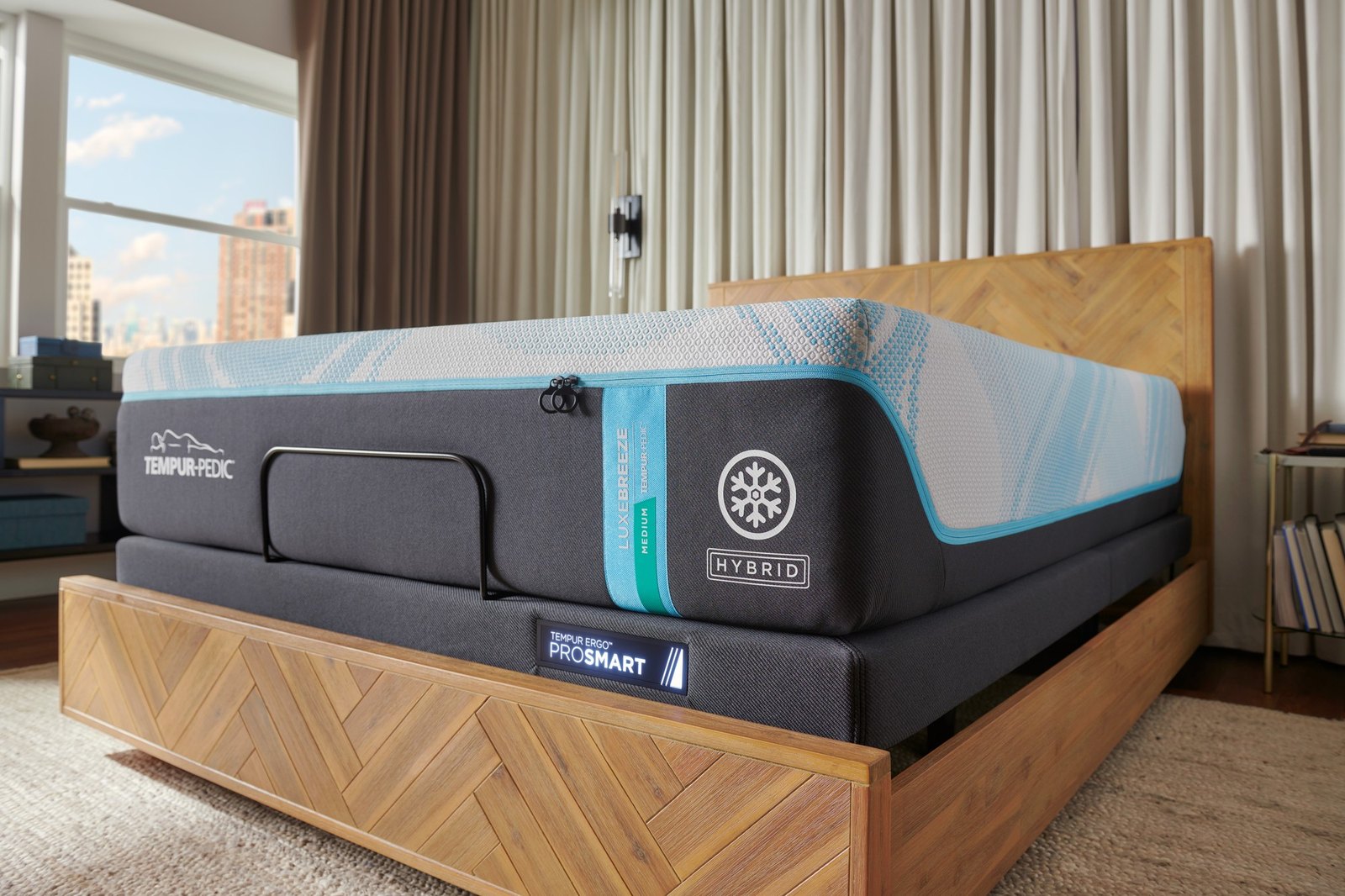
Key strength: Feel up to 8° cooler all night long
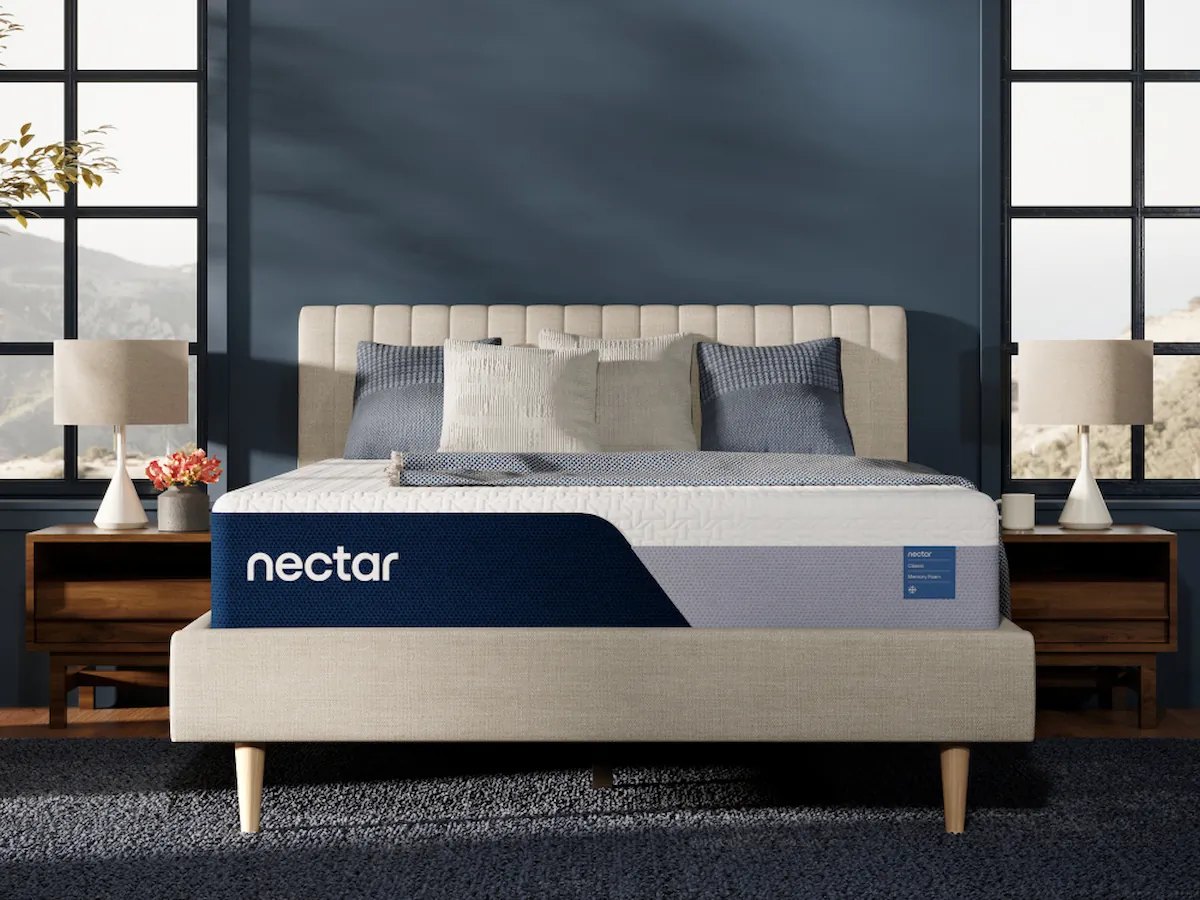
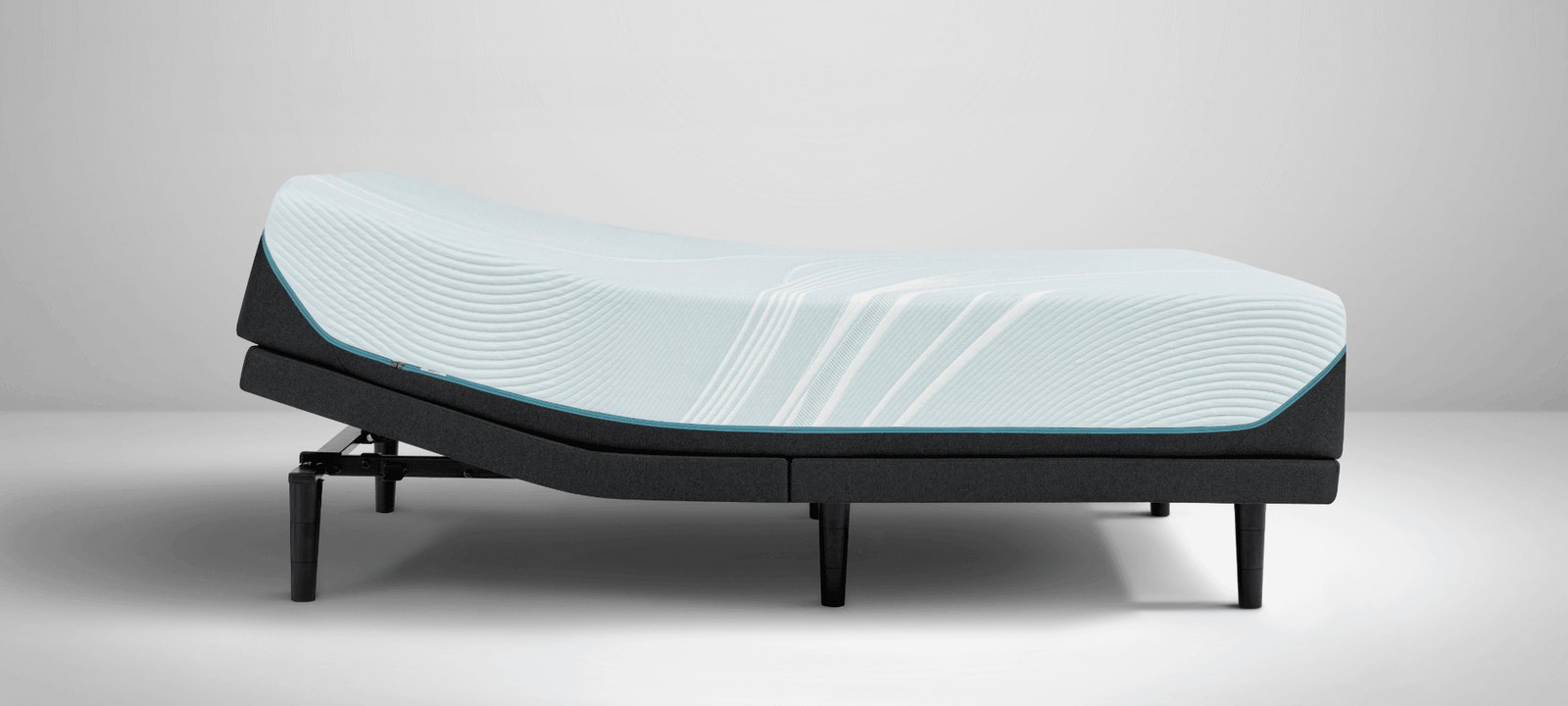
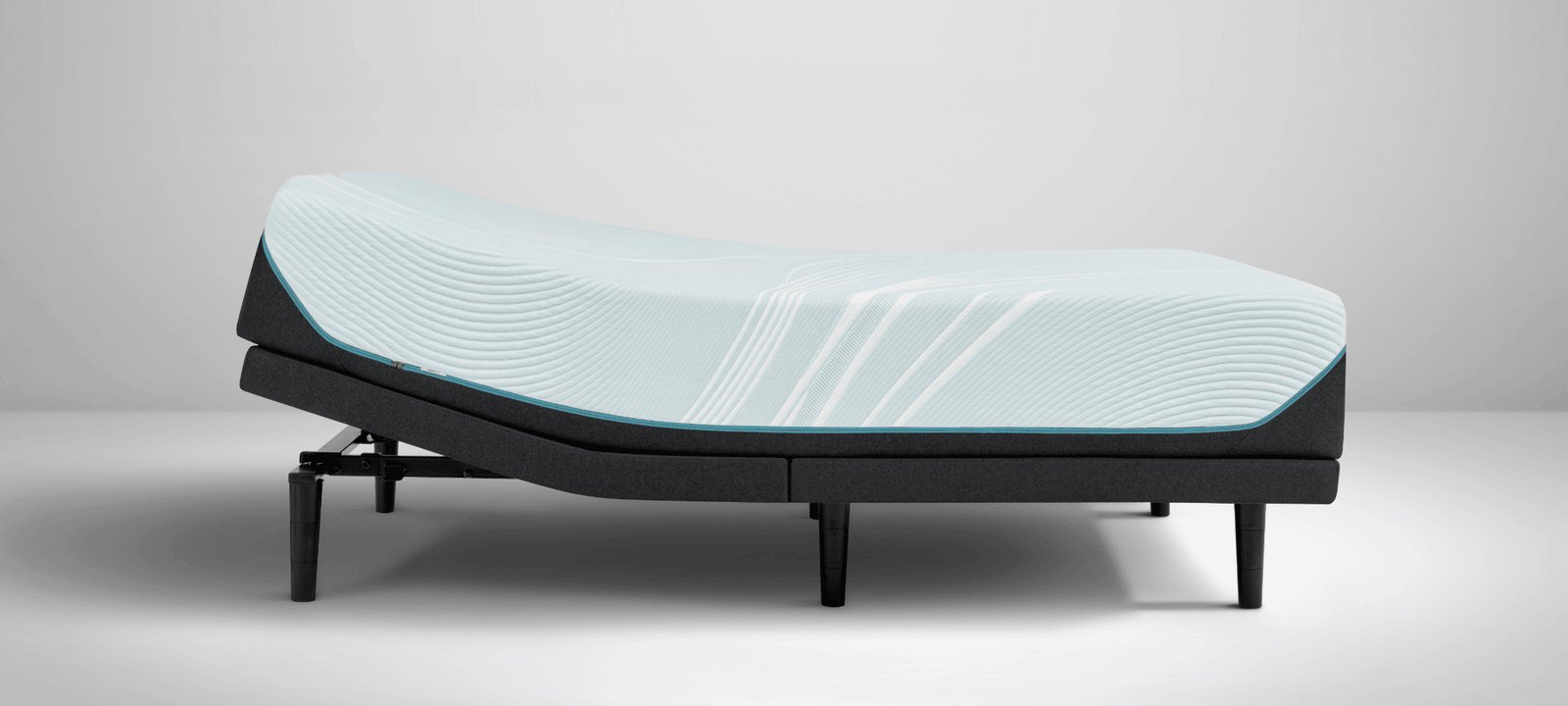
Key strength: Advanced pressure relief with SmartClimate cover
Key strength: The original memory foam, perfected
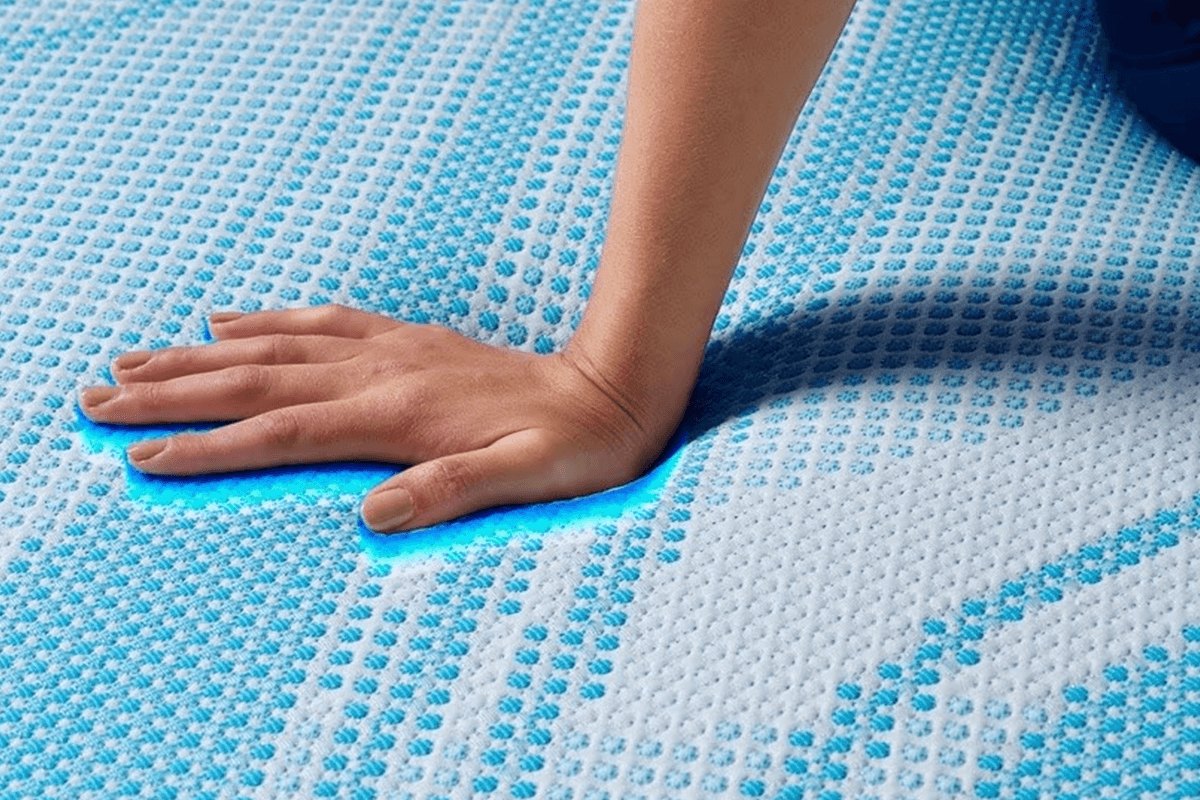
Key strength: Feel up to 3° cooler all night long
Prices shown are queen list prices from our testing database so models stay comparable. Confirm the price for this size on the brand's site before ordering — size premiums vary widely by brand.
That is narrower than a standard single bed each. It works because couples overlap, but it makes motion isolation the spec that decides whether you sleep through a partner's turn.
Prioritise motion isolation 8+A 10' × 10' bedroom takes a queen with room to walk; a king in the same room blocks a side. Queen is the largest bed most secondary bedrooms can carry.
Measure for 24" of clearance on two sidesBecause queen is the volume size, it gets the deepest seasonal discounts and the widest bedding selection. King commands a 25–40% premium for 16 more inches of width.
Sale timing matters more at queen than anywhereFull (double) gives two adults just 27 inches each — narrower than a crib mattress is long — and is really a generous solo bed. King adds 16 inches over queen and needs roughly 12 by 12 feet of floor to work.
The honest rule: buy queen unless the room can genuinely take a king with clearance, or unless one of you is over 6'2" and needs the extra length a California king provides.
Because a queen puts two people close together, the specs that matter shift. Motion isolation outranks bounce, and edge support matters more than it does on a king — with less width to spare, both sleepers use the perimeter every night.
Firmness compromise is the other queen-specific problem. When partners disagree by more than about two points on the 1–10 scale, a medium hybrid with a zoned support layer generally satisfies both better than either person's ideal pick.
Plan on at least 10 by 10 feet, and remember nightstands add roughly 24 inches of width to the footprint. A queen bed-in-a-box arrives compressed in one carton and will get up almost any staircase; a traditional innerspring queen will not compress and occasionally will not turn a tight landing.
Queen foundations are usually one piece — worth checking before delivery if your stairwell is narrow, since split queen foundations exist specifically to solve that.
A standard queen is 60 inches wide by 80 inches long (152 × 203 cm), or 33.3 square feet. Olympic queen (66" × 80") and split queen (two 30" × 80" halves) are specialty variants with limited bedding availability.
A 10' × 10' room fits a queen with walking clearance on two or three sides. Add roughly two feet of width if you want nightstands on both sides, which is where 10' × 12' becomes the comfortable target.
For most couples, yes — it gives each person 30 inches. It gets tight if you share with children or a large dog, or if either sleeper moves a lot, in which case motion isolation matters more than extra inches.
Buy the king only if the room is at least about 12' × 12' and you want a full arm span each. Otherwise queen wins on price, bedding cost, delivery ease and selection, and the extra floor space usually improves the room more than the extra mattress width improves sleep.
Budget foam queens start near $500, quality hybrids run roughly $1,000–$2,000, and luxury latex or innerspring models reach $2,500 and up. Queen sees the deepest holiday discounts of any size, so timing a purchase around a major sale is worth real money.
Yes. Queen frames and foundations need a center rail with at least one leg to the floor. Most warranties require it, and a missing center leg is a very common cause of a dip down the middle of the bed.
We track prices on every mattress, pillow, and topper we test. When one of the picks in this guide hits a genuine low — not a fake list-price markdown — we email you the same day.
Labor Day pricing ends Sept 9. Subscribers get the post-holiday price reset alerts too.
No spam, no daily blasts. Unsubscribe in one click.
Get exclusive coupons and price drop alerts delivered to your inbox.
Keep exploring
Before you buy, read the brand: construction, pricing bands, trial and warranty terms, and how each company's lineup performed in our Encinitas lab.
Hand-picked guides and reviews from our editorial team.
Twin to California King dimensions.
Motion isolation + edge support.
Local showroom guide.
Modern waterbed picks.
Affordable, occasional-use picks.
Waterproof + breathable protectors tested.