Updated May 2026
Air-Pedic Mattress Review
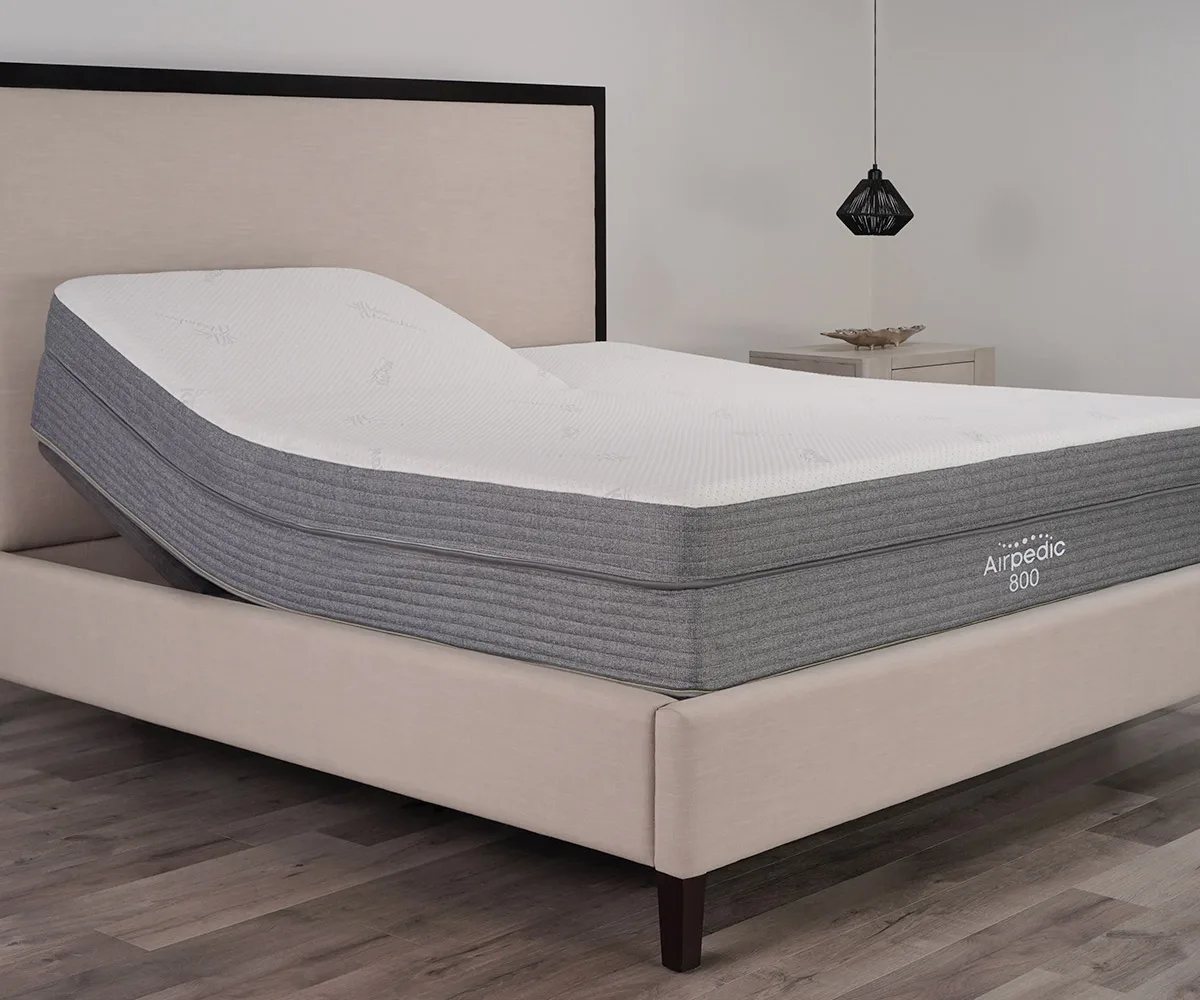
Six-zone air chambers per side — the number bed for localized pressure problems.
Founded
2007
Headquarters
United States
Models covered
1
About Air-Pedic
Air-Pedic's difference from both Sleep Number and Personal Comfort is zoning. Instead of one air chamber per side, its upper models split each side into six independently inflated zones running from head to foot.
That matters when the problem is localized. A sleeper recovering from a rotator cuff repair can drop pressure at the shoulder zone while keeping the lumbar zones firm — something a single whole-side firmness dial physically cannot do.
The cost is complexity: more chambers, more hoses and more service points than a conventional number bed. A 20-year limited warranty with replaceable components covers that, and the company sells direct without showrooms, which keeps prices below equivalent Sleep Number configurations.
What they make
Zoned dual-side air mattresses with up to six independent air zones per side; adjustable bases.
Origin
American — US-assembled zoned air beds
Air-Pedic Signature Technologies
Six-Zone Air Array
Independently inflated zones head to foot on each side, so shoulder, lumbar and hip support can be set separately.
Dual-Side Independence
Each partner controls their own full set of zones by remote.
Replaceable Chambers and Pumps
Individual components can be swapped under warranty rather than replacing the mattress.
Best for
- Localized shoulder, lumbar or hip pressure pain
- Couples needing separate settings
- Sleep Number and Personal Comfort cross-shoppers
- Sleepers whose needs change through injury recovery
Not ideal for
- Buyers who want a simple, low-maintenance mattress
- Anyone needing an in-store trial
- Shoppers who want a long risk-free trial window
Every Air-Pedic Mattress We've Reviewed
How Much Does a Air-Pedic Mattress Cost?
Air-Pedic queens run $1,700–$4,300 across the lineup (mid to premium tier). The table below estimates the rest of the size ladder from that queen range using the standard size pricing brands apply — the low column tracks the entry model, the high column the flagship. Treat these as planning estimates rather than quotes: promotions move real street prices by 20–30% for weeks at a time.
| Size | Dimensions | Entry model (est.) | Flagship (est.) |
|---|---|---|---|
| Twin | 38" × 75" | $1,055 | $2,665 |
| Twin XL | 38" × 80" | $1,120 | $2,835 |
| Full | 54" × 75" | $1,395 | $3,525 |
| Queen | 60" × 80" | $1,700 | $4,300 |
| King | 76" × 80" | $2,175 | $5,505 |
| California King | 72" × 84" | $2,175 | $5,505 |
Estimates based on Air-Pedic's published queen pricing and the standard US size ladder. Free shipping in the continental US. 90-night trial; 20-year limited warranty.
How to Pay Less for a Air-Pedic
Pricing, Trial & Warranty
Price range (Queen)
$1,699–$4,299
Mid to premium
Good — zoning that no other number bed brand offers
Trial period
90-night trial
20-year limited warranty
Shipping
Free shipping in the continental US
Financing
Financing available
Pros
- Six independent air zones per side
- Genuinely useful for localized pain
- Dual-side control
- 20-year limited warranty with replaceable parts
- Priced below equivalent Sleep Number configurations
Cons
- More components means more potential service points
- 90-night trial is the shortest among major number-bed brands
- No retail showrooms
- Zone tuning takes real experimentation
Air-Pedic FAQ
What is a zoned air mattress?
Instead of one inflatable chamber per side, the mattress is divided into several chambers running head to foot. Each inflates separately, so you can set a soft shoulder region and a firm lumbar region on the same side of the bed.
Is Air-Pedic better than Sleep Number?
For localized pain, the zoning is a real advantage that Sleep Number does not offer. For simplicity, showroom testing and sleep tracking, Sleep Number is the better experience. Air-Pedic is also generally cheaper at comparable specification.
How long does it take to set up the zones?
Six zones a side means twelve numbers to balance on a queen. Most owners spend several weeks adjusting before settling on a configuration they stop changing.
Compare to Other Brands
SaatvaTempur-PedicHelixPurpleNectarDreamCloudBearAvocadoCasperLaylaSertaSealyBeautyrestStearns & FosterKingsdownAireloomBrooklyn BeddingNest BeddingBrentwood HomeLeesaRestonicSpring AirSleep NumberTherapedicSoutherlandWinkBedsNolahGhostBedBirchAmerisleepPuffyPlushBedsTuft & NeedleEmmaAwaraZinusLullSienaBig FigEight SleepNaturepedicMy Green MattressIDLE SleepSilk & SnowNovosbedSpindleEco TerraEssentiaKing KoilZomaAllswellLucidNapQueenMoleculeAirweaveCharles P. RogersDiamond MattressSweetNightTechnogelPolysleepNovaformIKEASleep EZFloBedsDLX MattressEngineered SleepPersonal ComfortLinenspaClassic BrandsOlee SleepVibeHästensVispringKluft